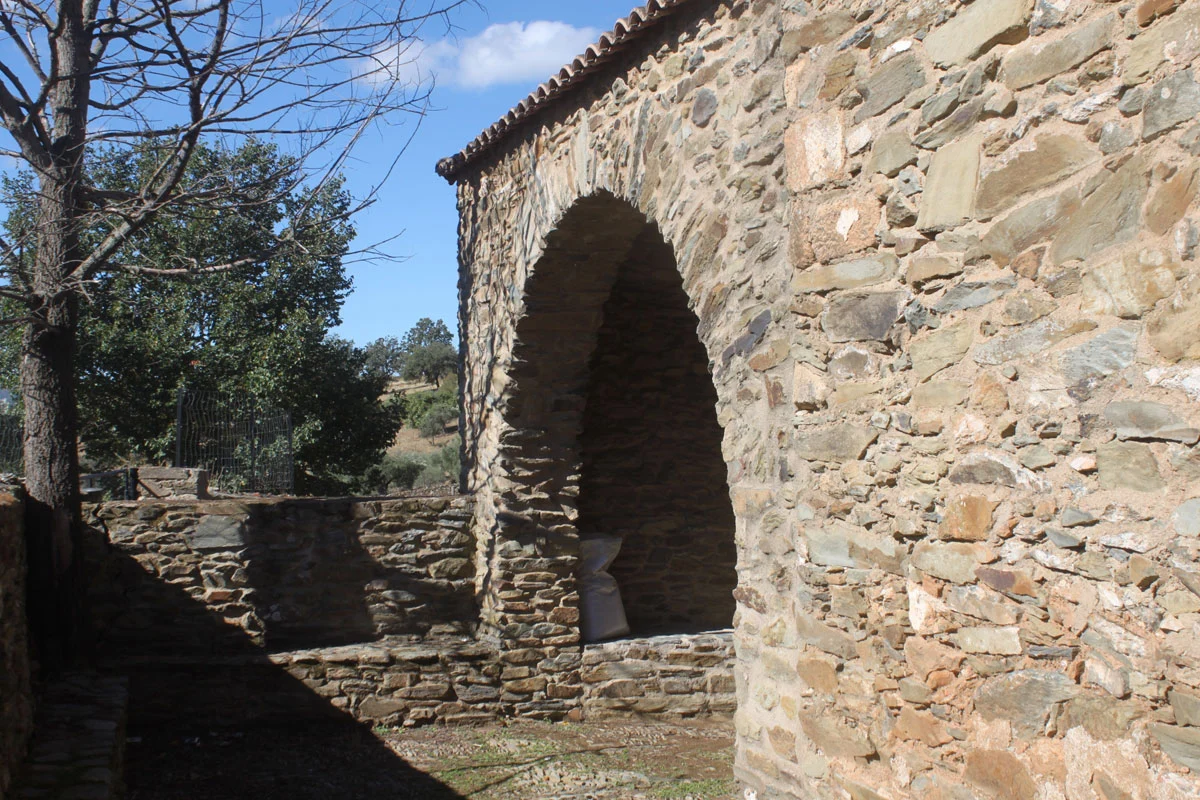
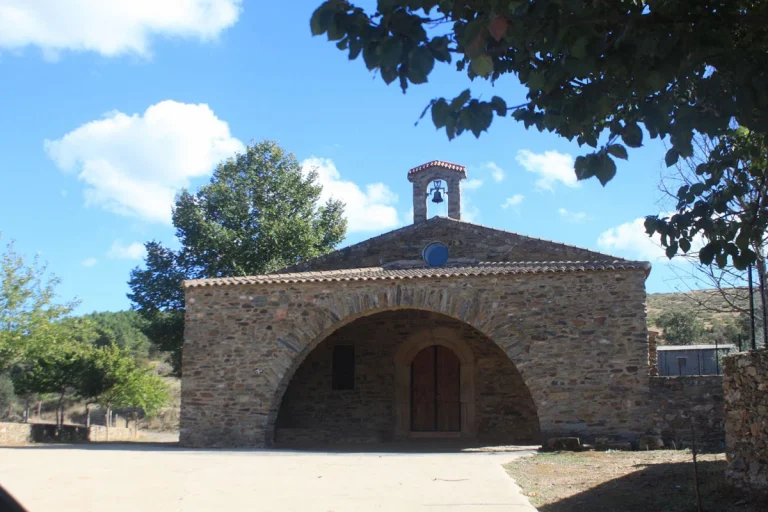
Located in the place of the same name, next to the old Berzocana road. It is a rectangular building except for the apse at the head. Its origin dates back to the times of Gutierre de Vargas Carvajal (1506-1559).

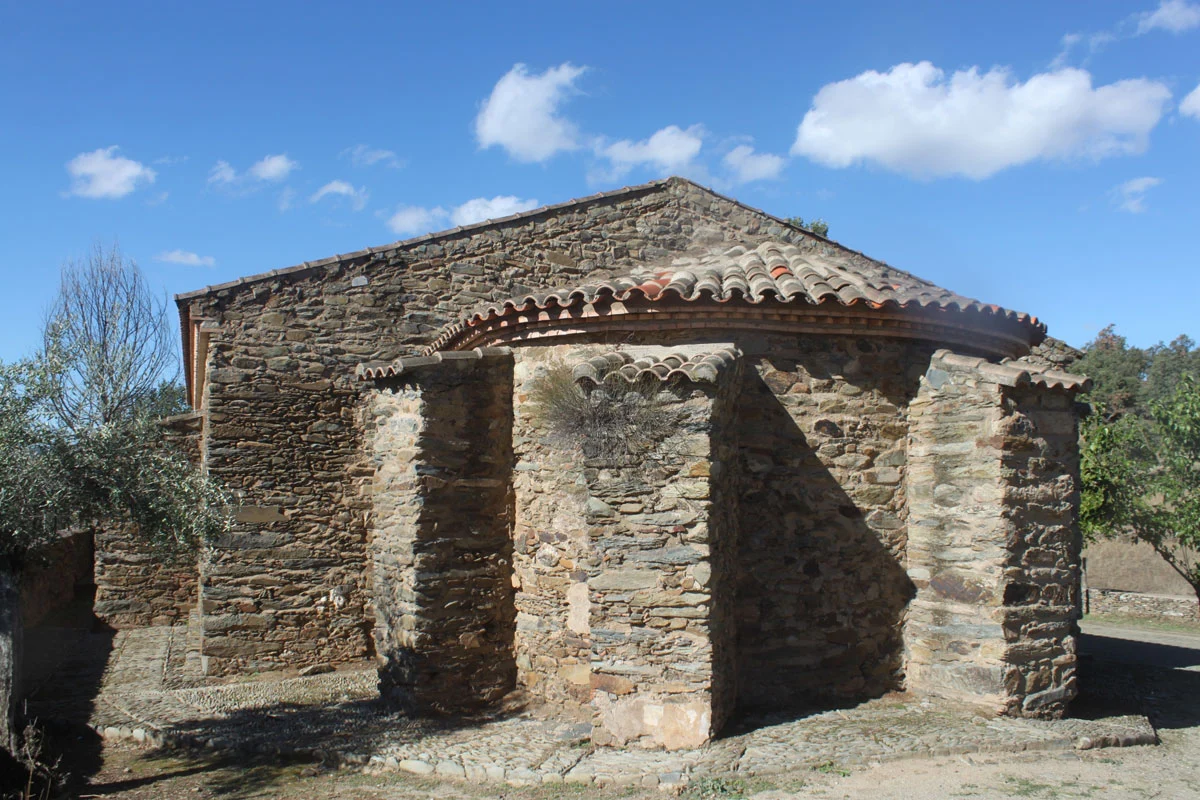
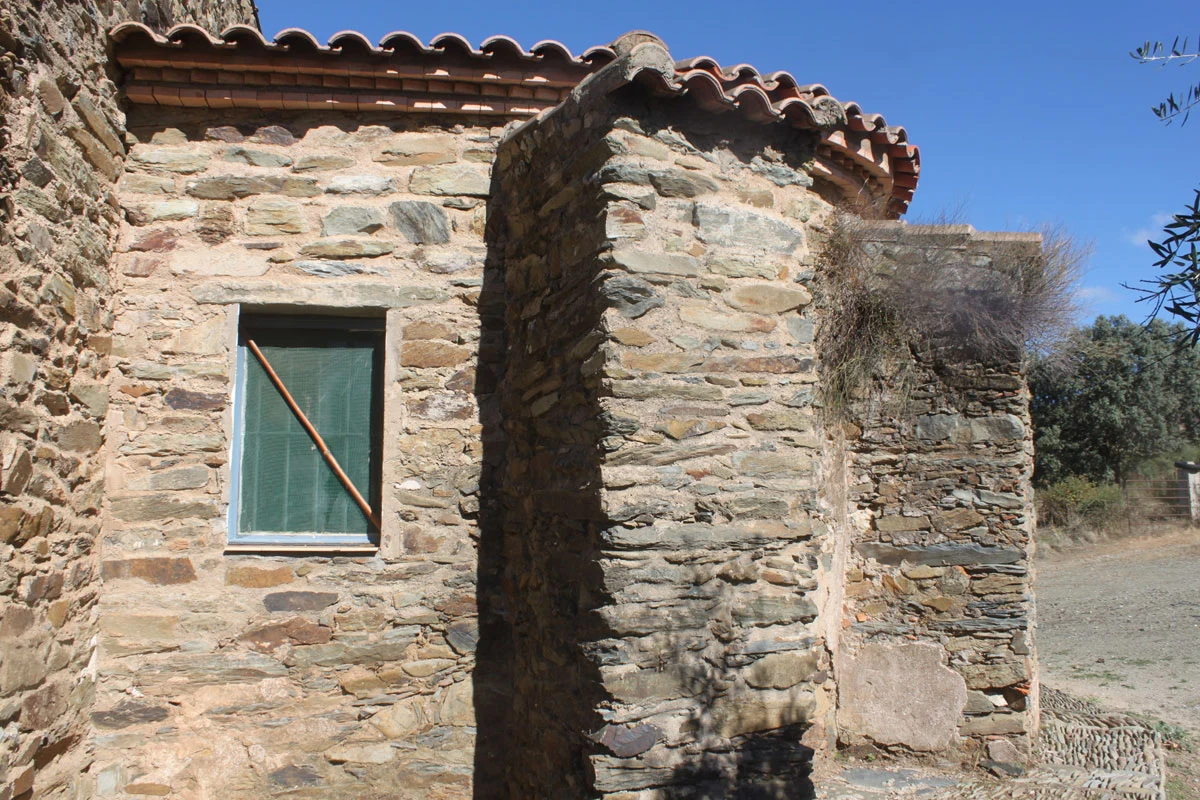
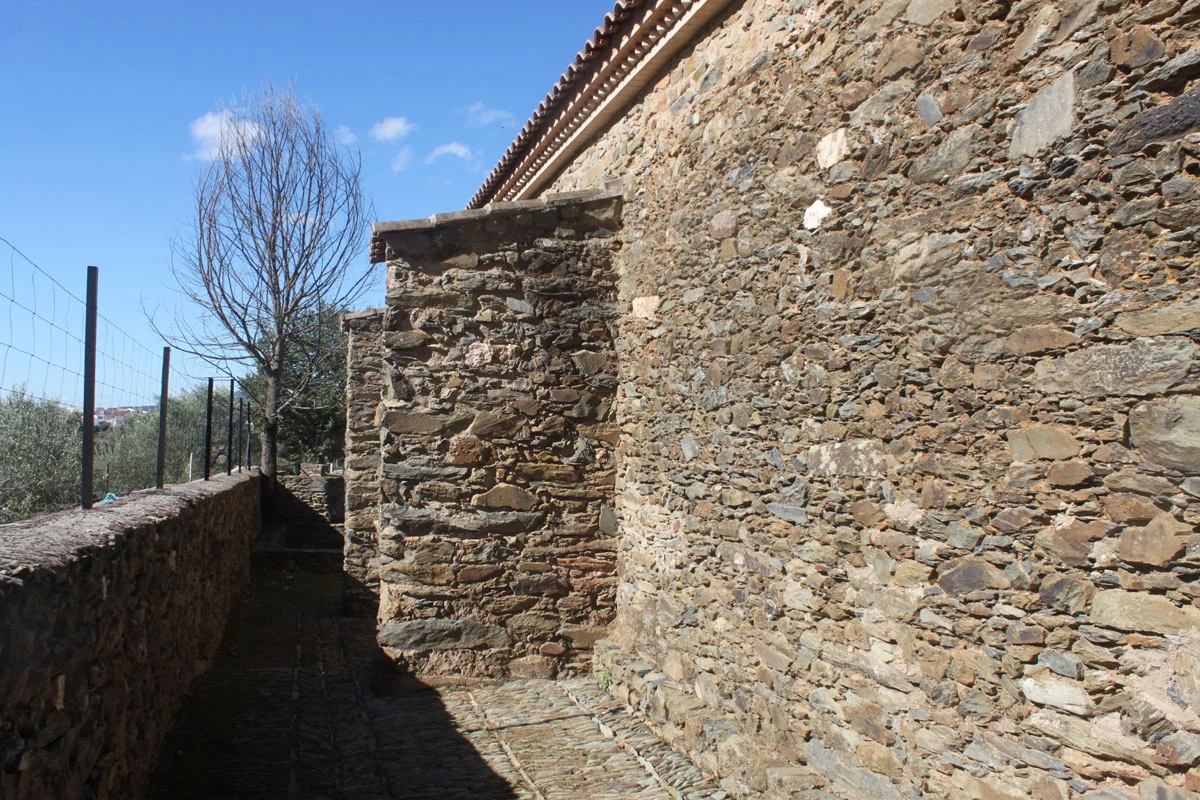
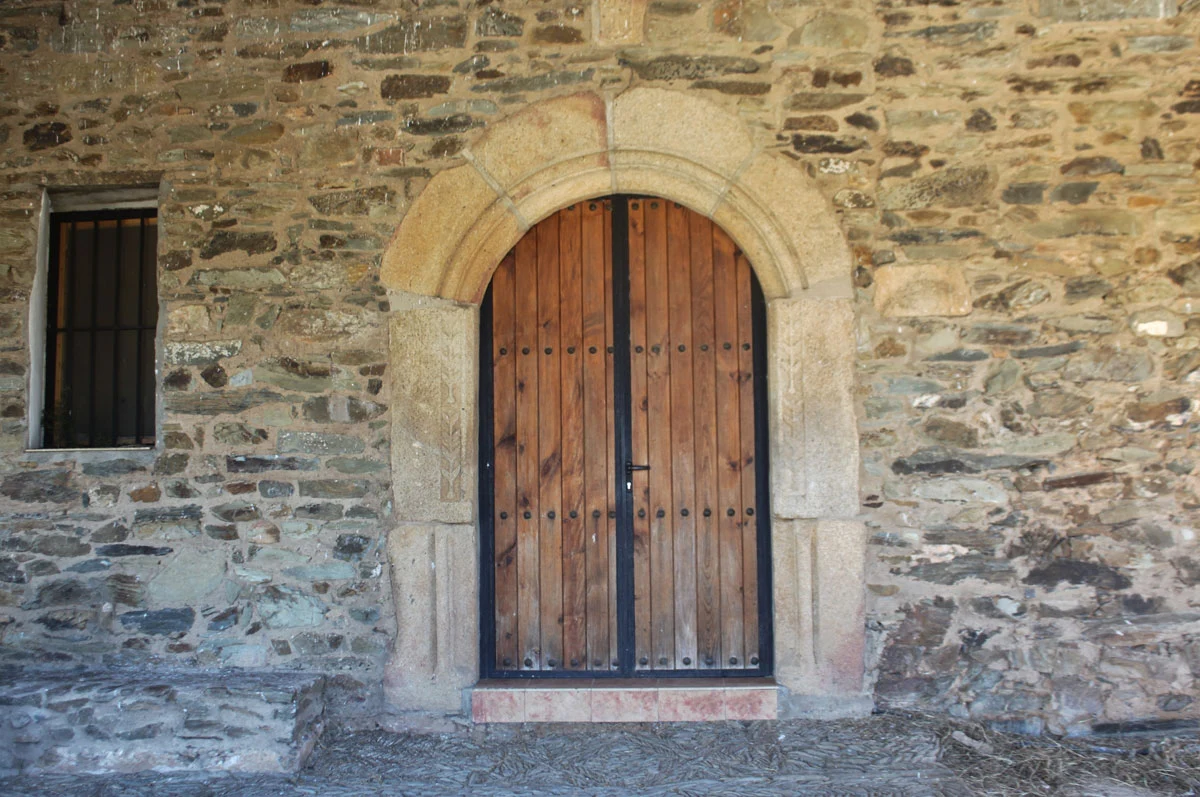
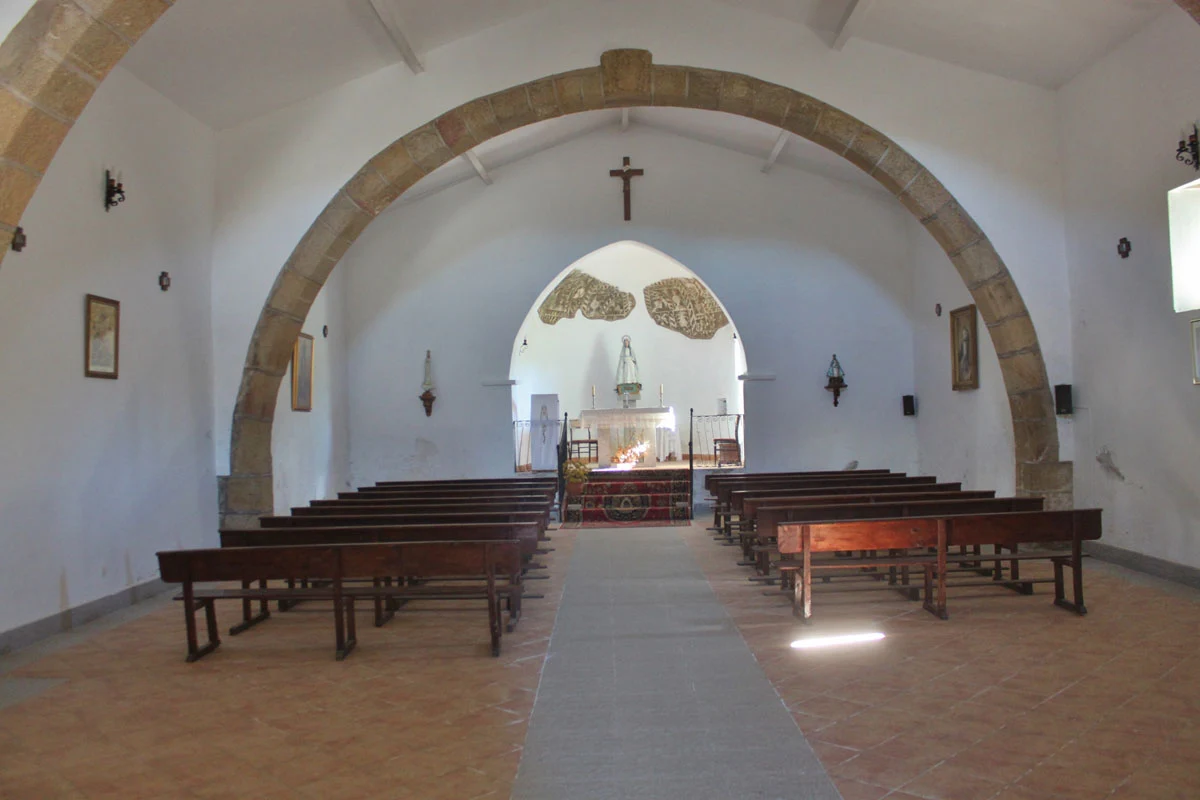
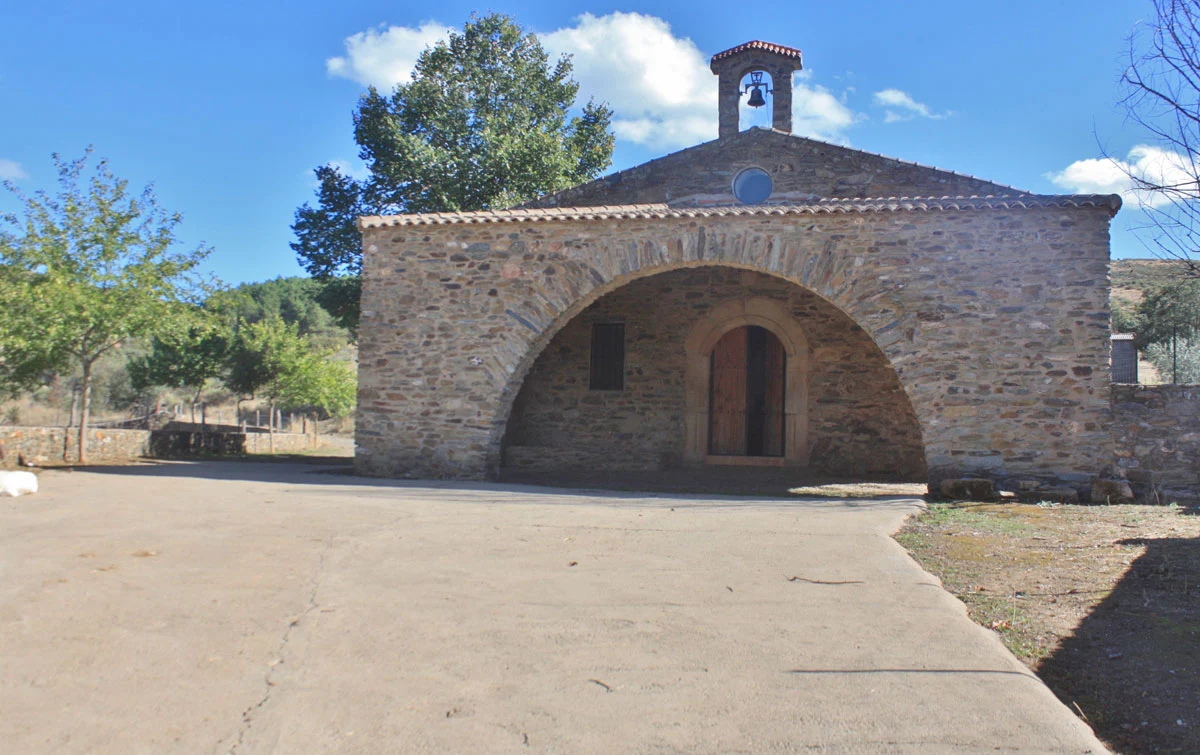
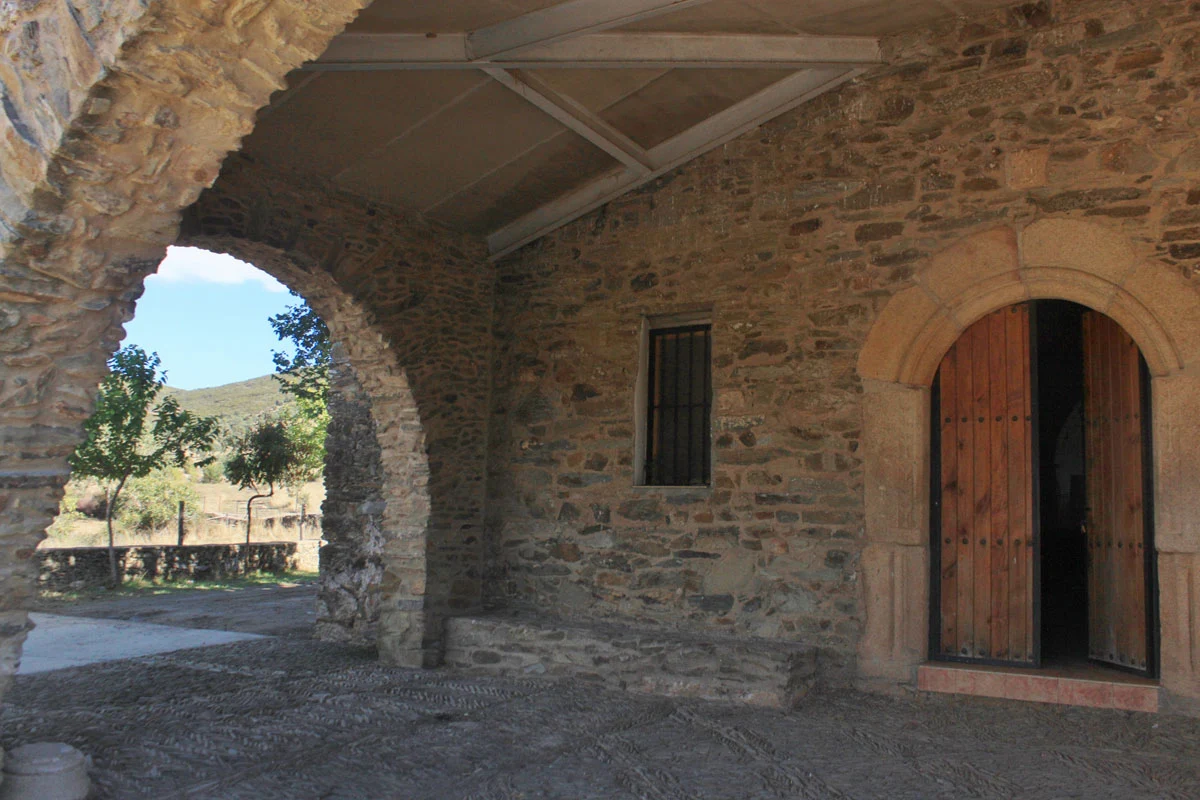
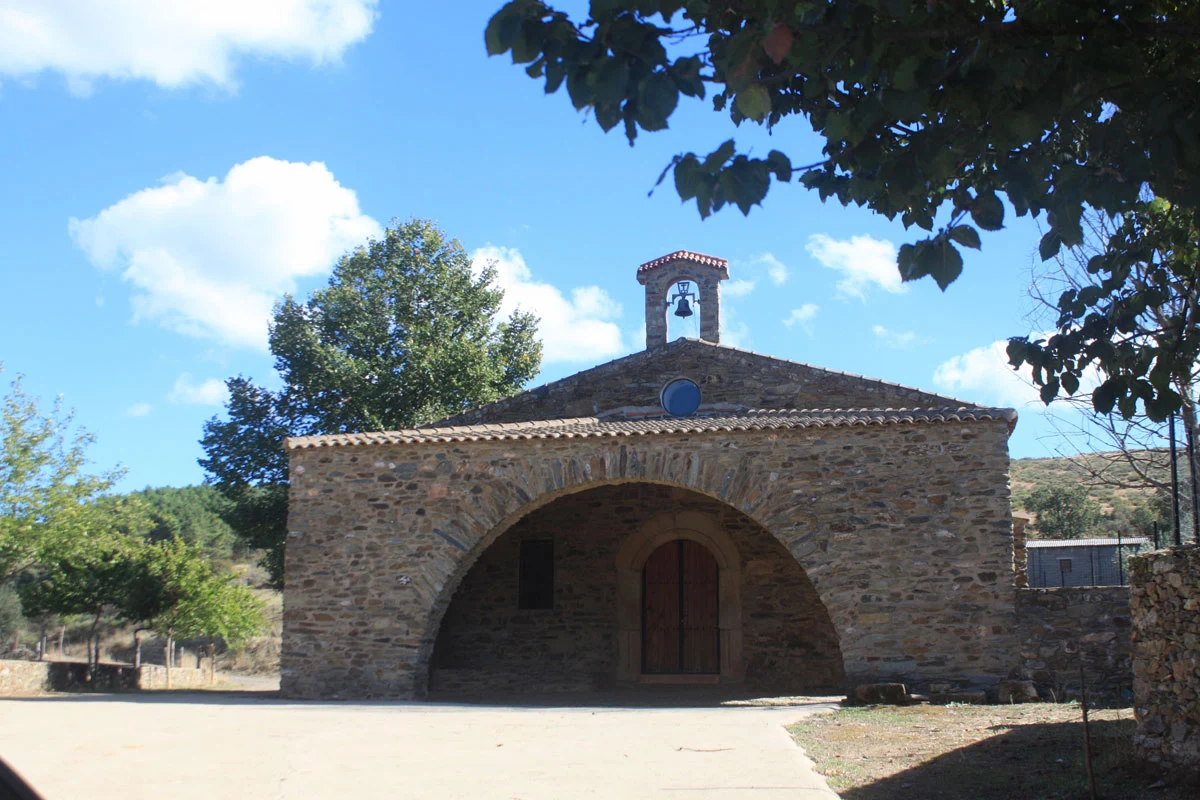
The original building was renovated in the 16th century, as was the church. The entire complex was restored in 2009. Of the four hermitages that were on the outskirts, only this one remains: there was one at each cardinal point, coinciding with the roads.
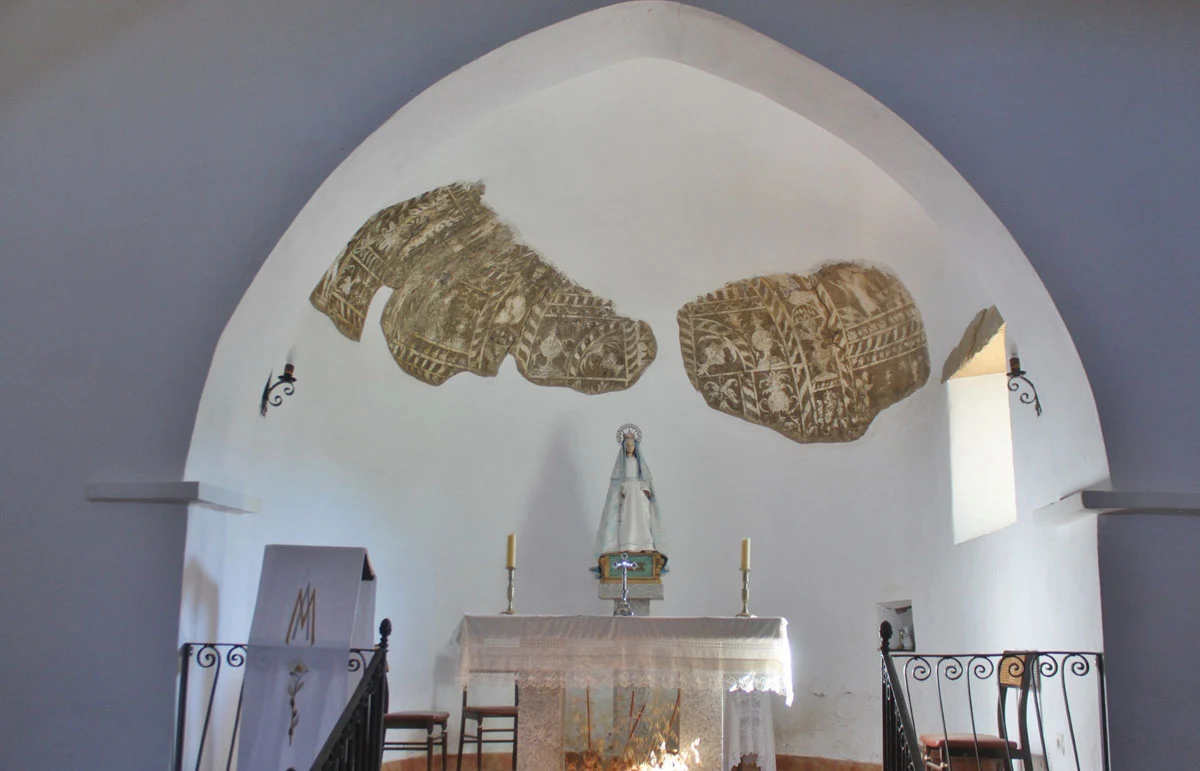
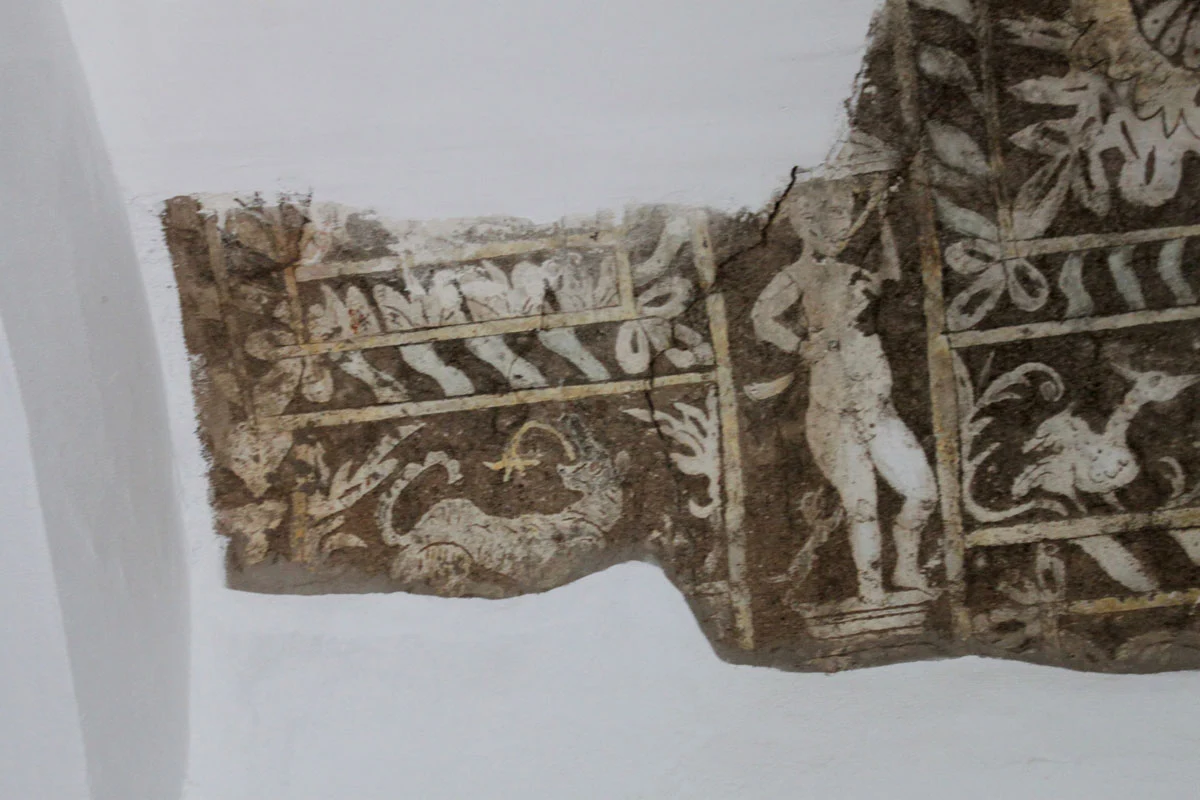
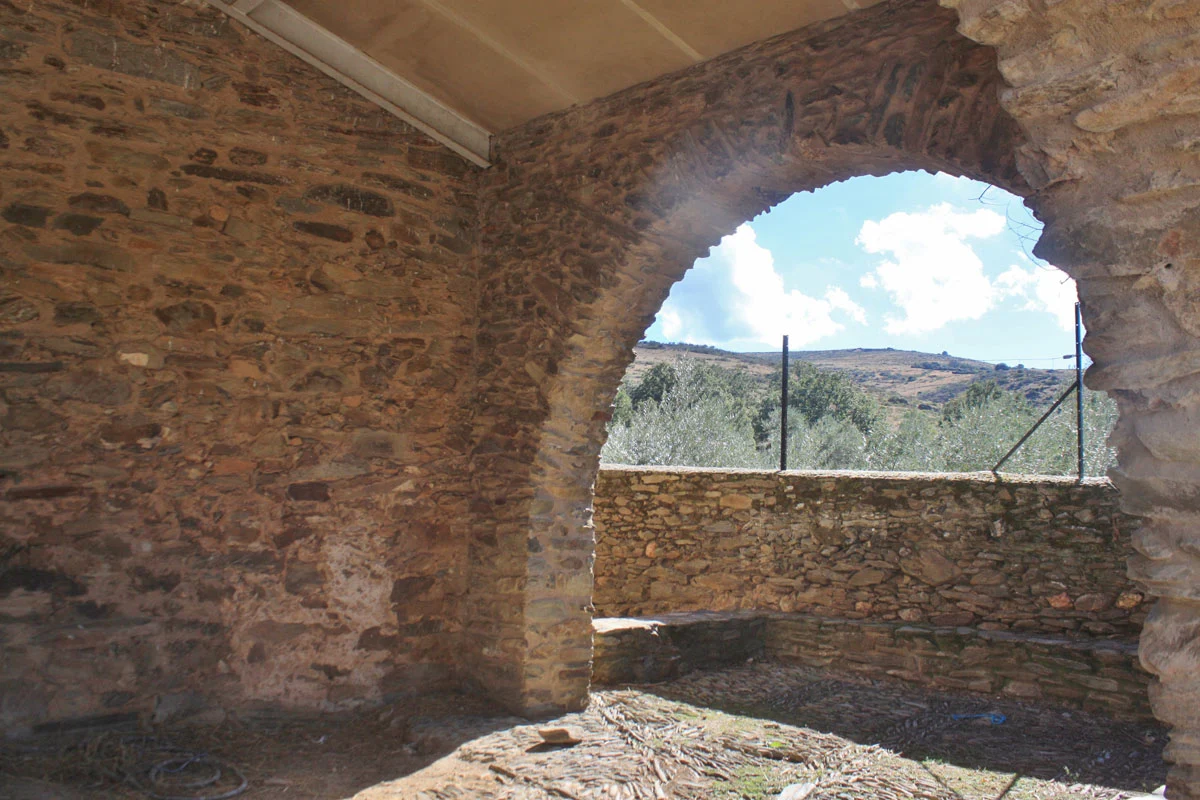
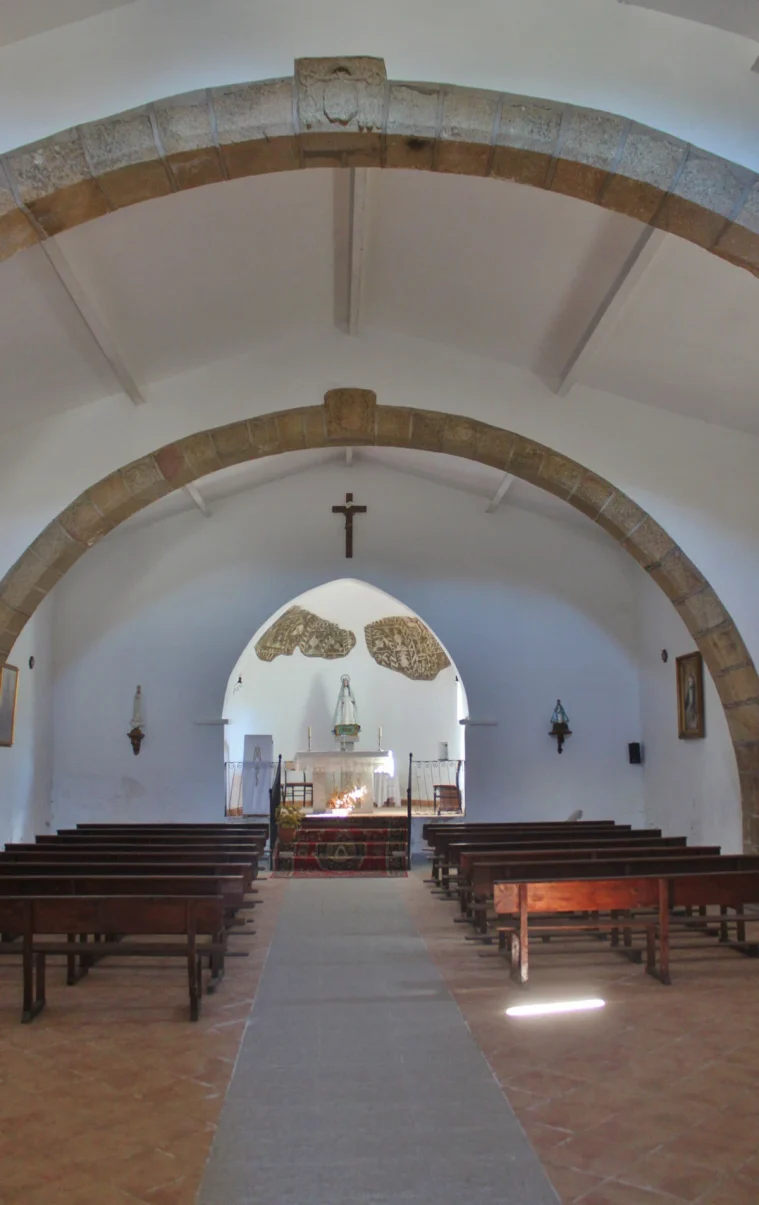
When it lost its cult, it was a cemetery for a while, and then it fell into ruin. It preserves the original apse, where there are remains of artistic details and the arches that support the structure. Decorating one of the walls we can see the coat of arms drawn on the coat of arms, the Emperor Charles V granted it for services rendered to the kingdom.
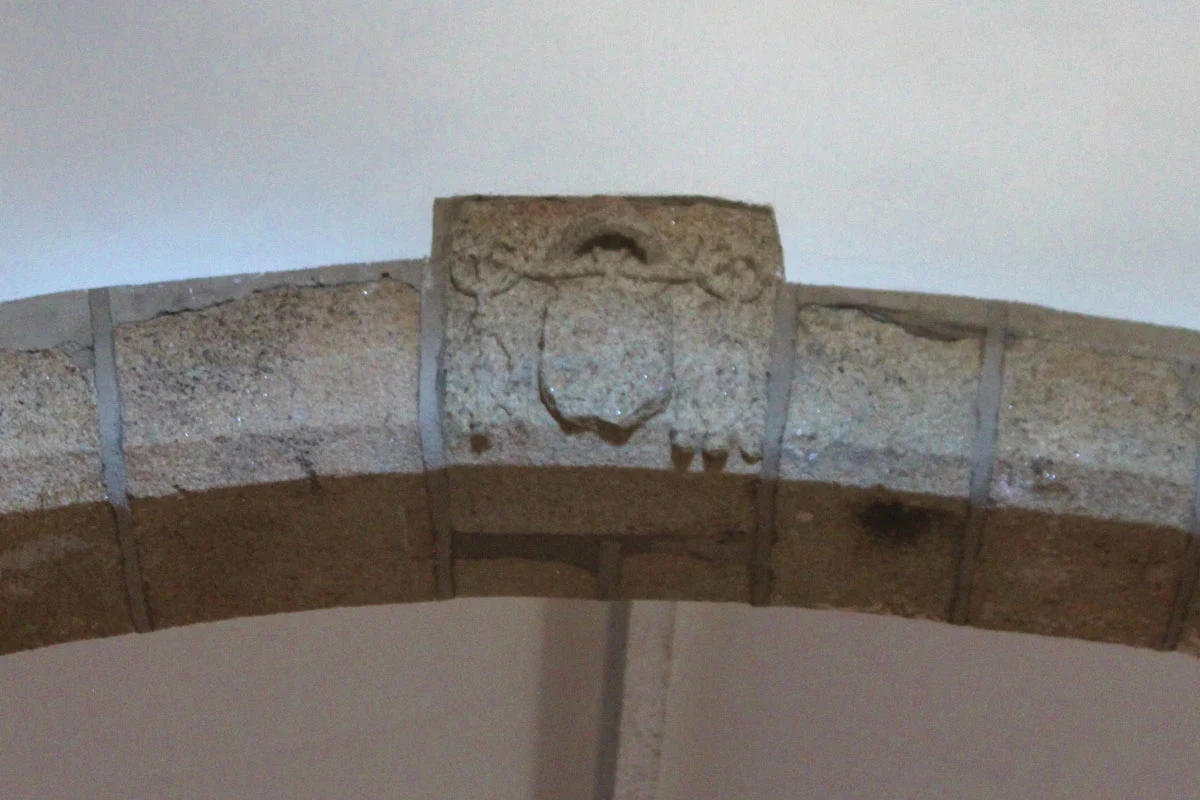
It is located in the place of the same name, next to the old Berzocana road. It is a rectangular building except for the chancel. Its origin is uncertain, but the great work that will give the temple great dignity dates back to the time of Gutierrez de Vargas Carvajal (1524-1559), his coats of arms on the keystones of the arches that support the roof marks the sponsorship of the construction.
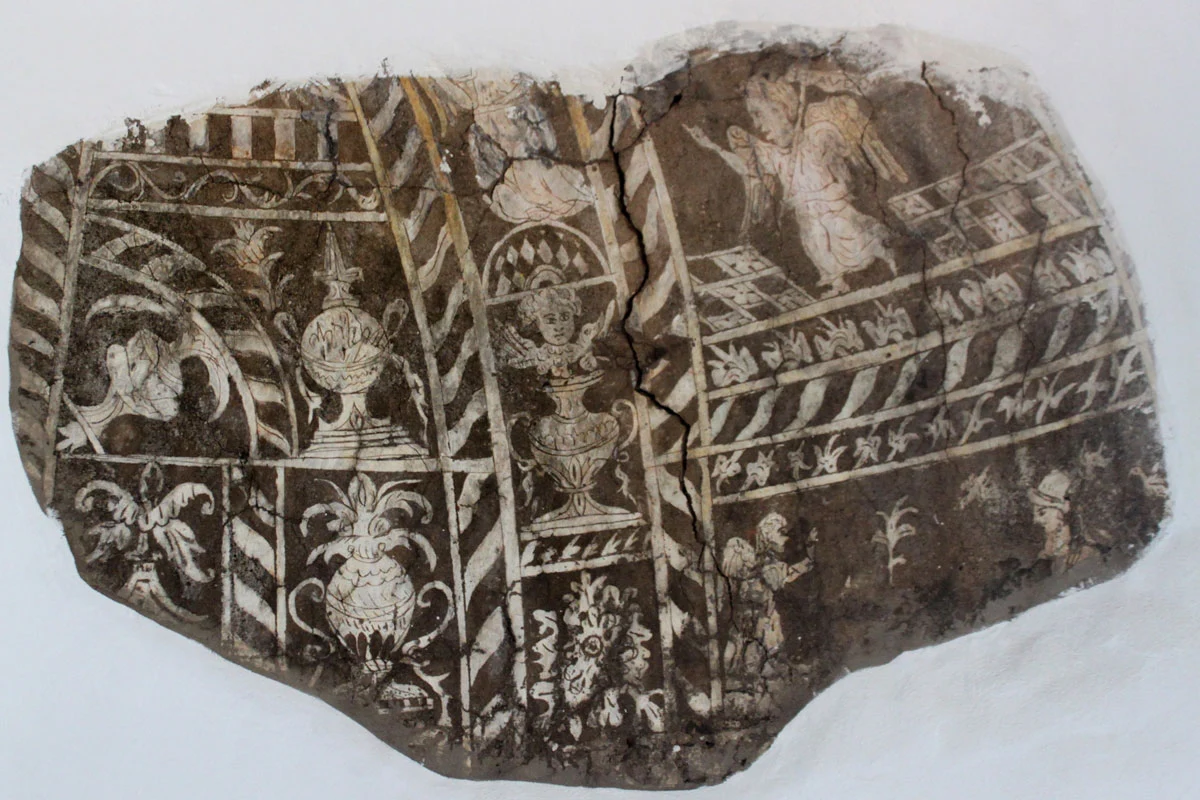
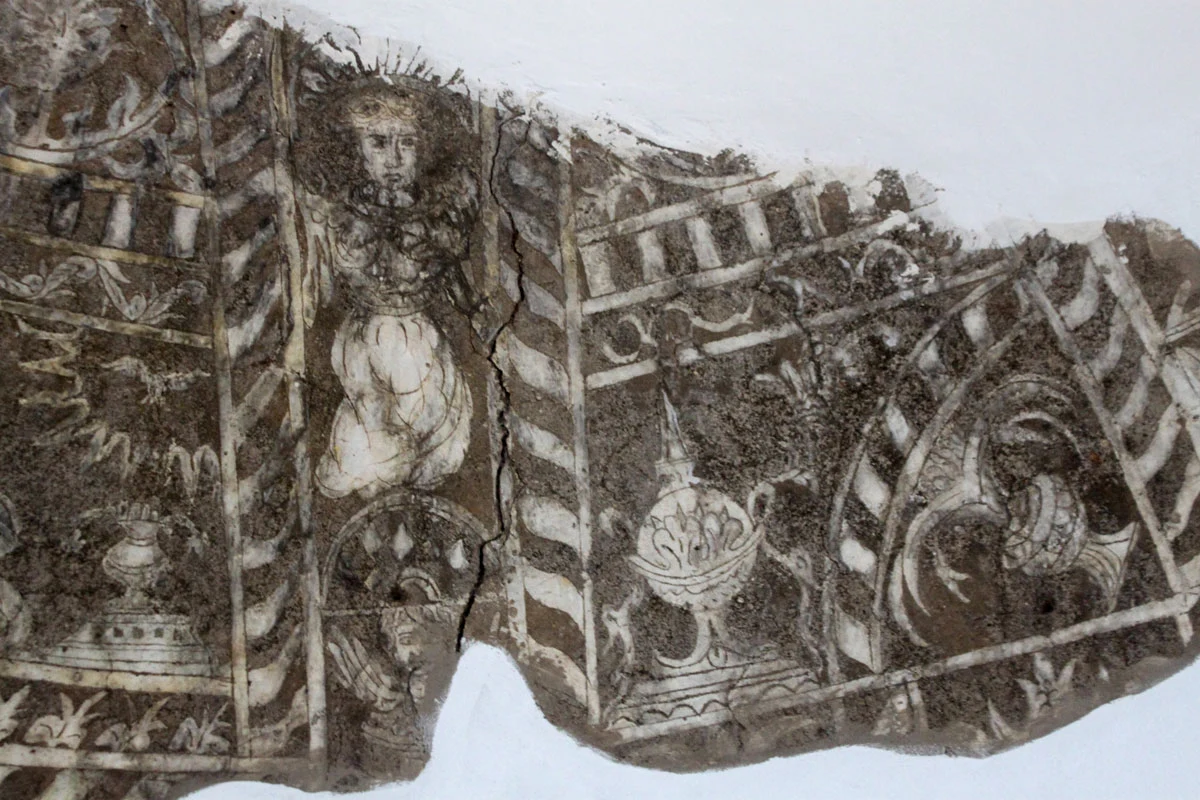
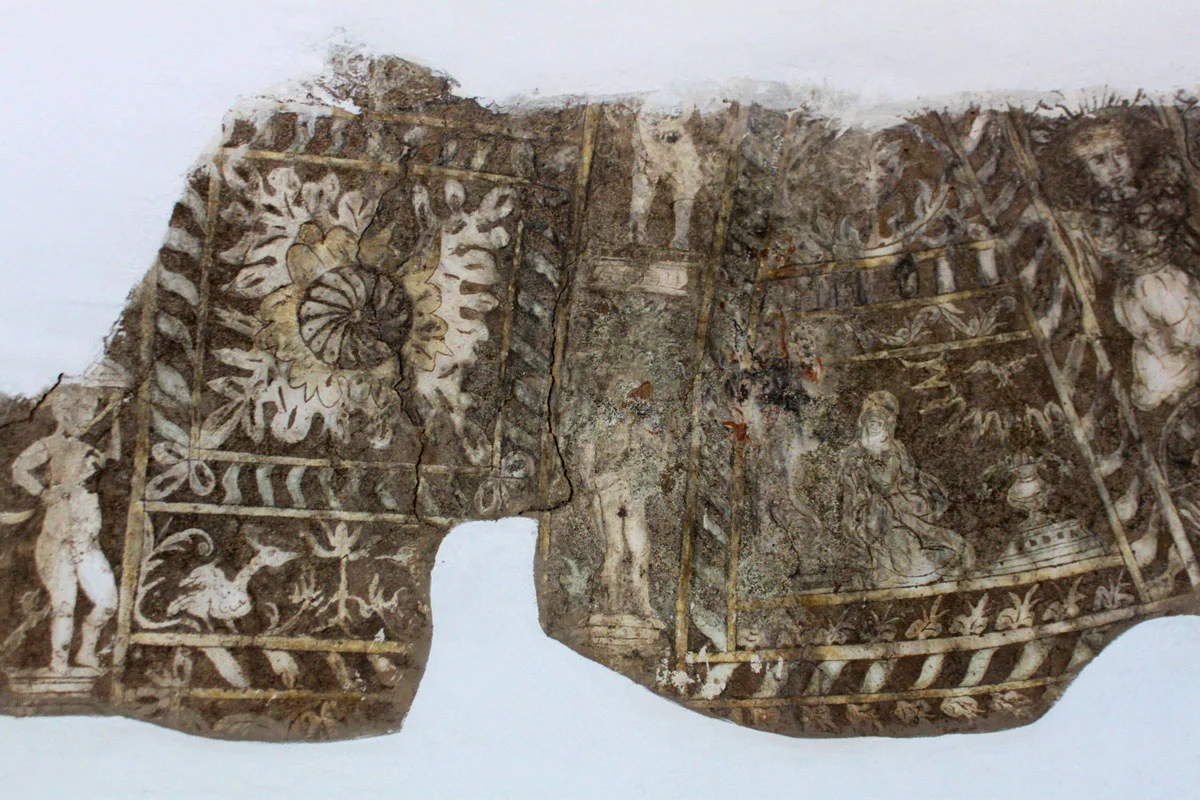
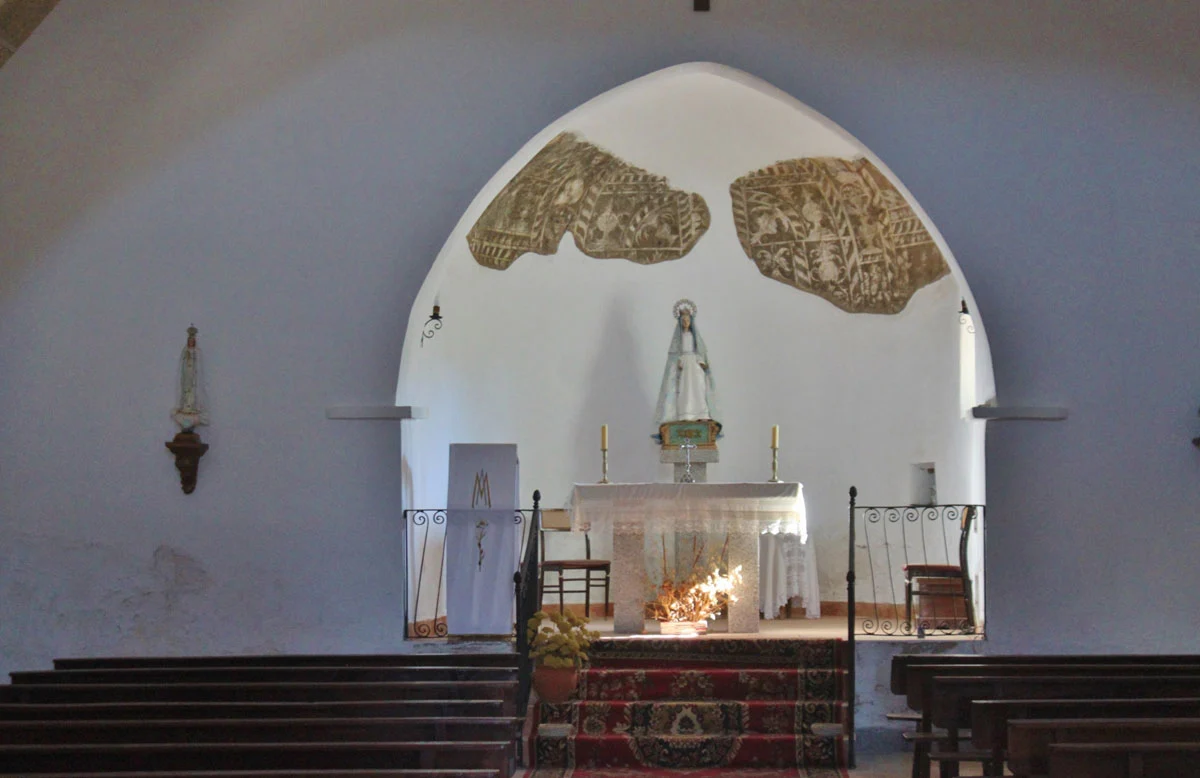
In the apse, the remains of a scene of the Annunciation and other vegetal and figurative motifs stand out among a geometric frieze that decorated the entire apse using the sgraffito technique, dating from around 1565. It is important to point out that there was an altarpiece covering the front wall, the work of José Sánchez, executed at the end of the 17th century.
This temple was abandoned in the nineteenth century to religious worship, serving as a cemetery (1821-1823) and, years later, as a shelter for poor passers-by, then it became a stable for livestock. This hermitage was used as a cemetery during the Liberal Triennium (1821-1823)179 when burials were once again prohibited in parish churches. Before its restoration, the portico of the hermitage had practically disappeared; the central nave of the wide bays and the apse remain. The keystones of the arches are topped with the coat of arms of Don Gutiérrez de Vargas Carvajal.
The few old photographs of the hermitage show how only the arches that support the roof and the apse remained, with the rest of the roof and a good part of the walls fallen down.
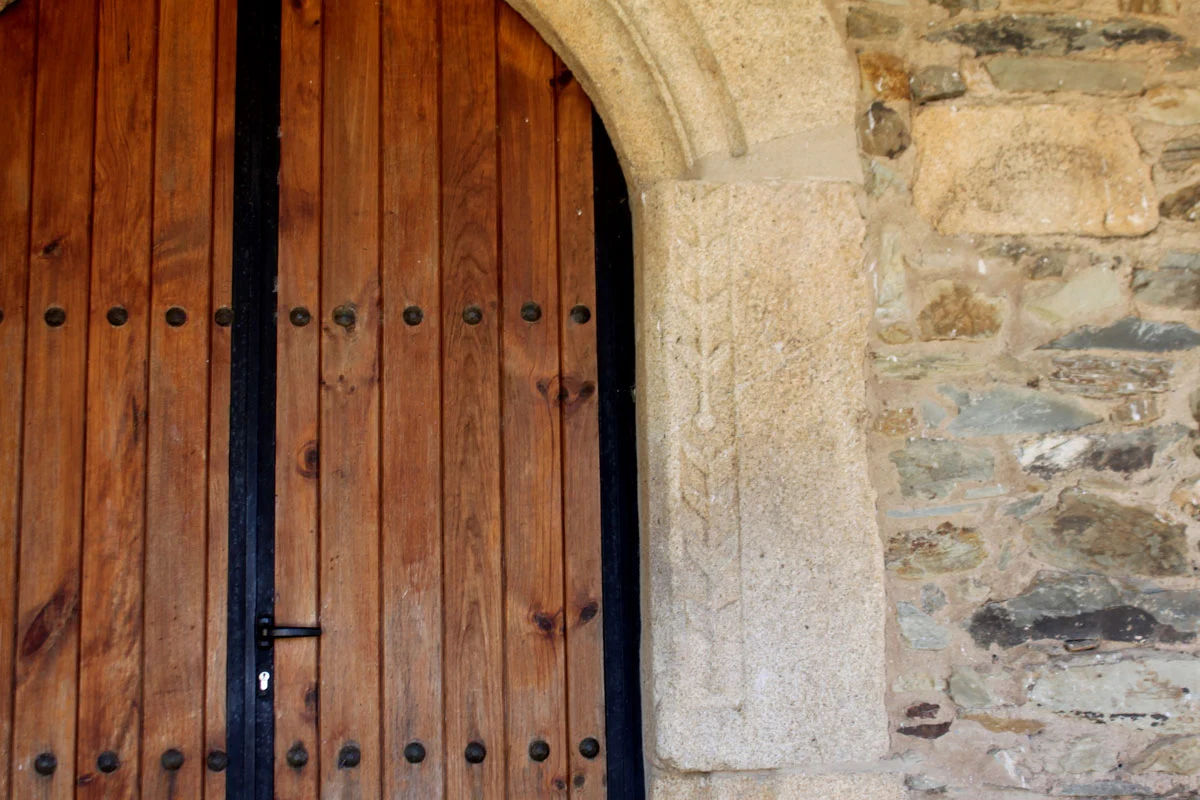
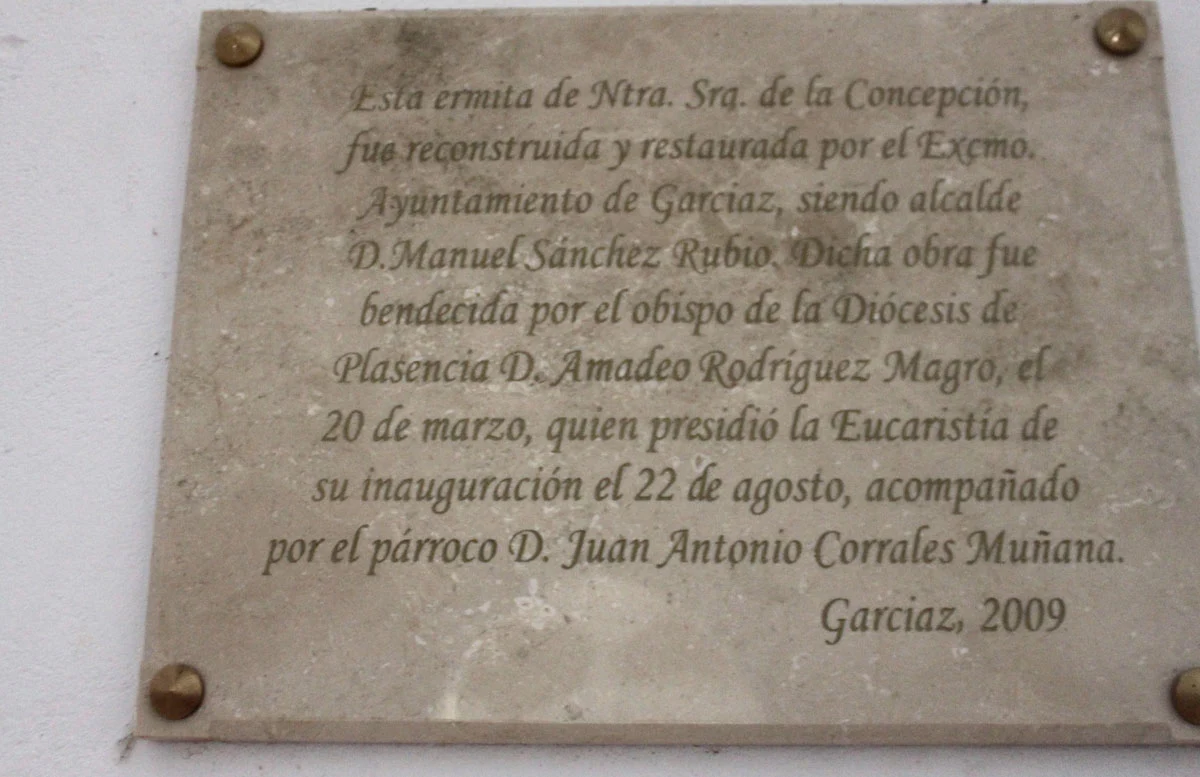
It was restored at the expense of the City Council in 2009, as stated on a plaque located at the entrance of the chapel: “This hermitage of Ntra. Sra. de la Concepción, was built and restored by the Excmo. Garciaz City Council …”. Now the entire building has been restored, with a large porch at the entrance. In spite of the intervention, there remains an antique touch in the whole that gives it an original stamp.
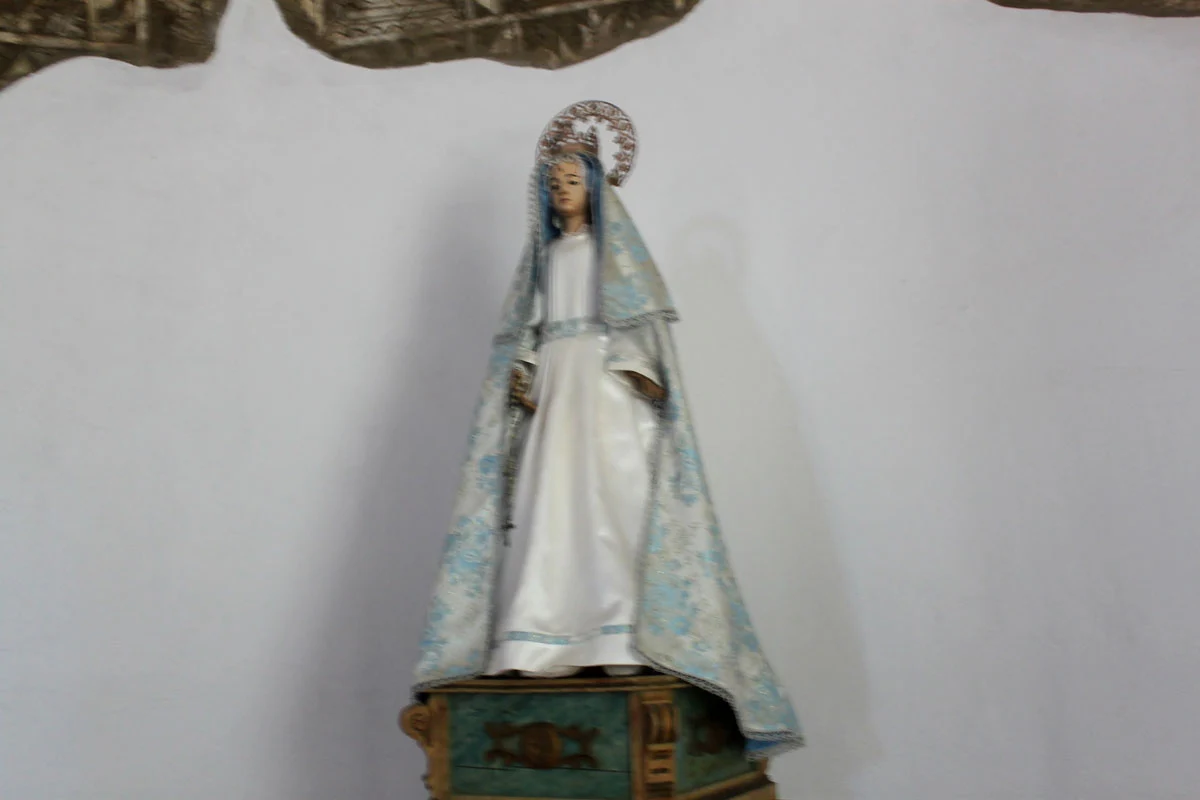
The image of the Virgin, patron saint of the hermitage, is in a very bad state of preservation on the stairs leading up to the choir in the parish church. Polychrome wood work of the sixteenth century. At present, the apse of this hermitage is presided over by a clothed image of Our Lady, a work from the second half of the 18th century.
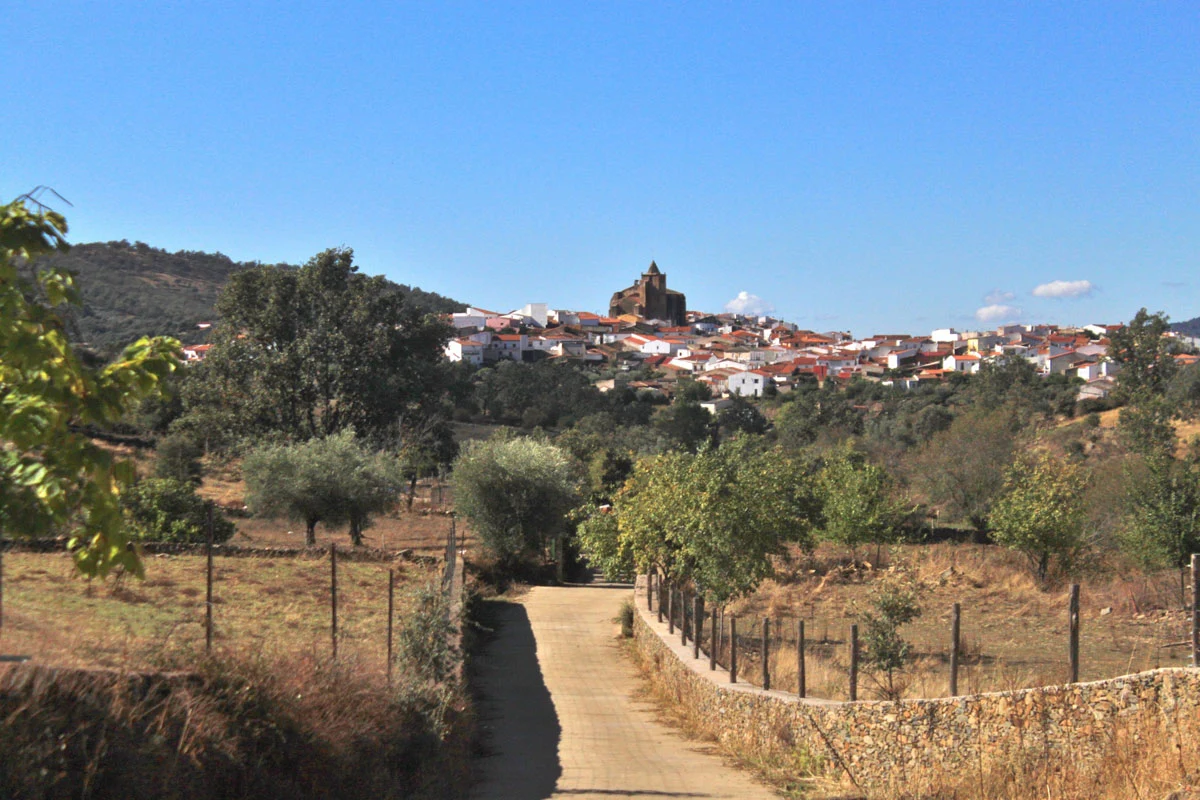
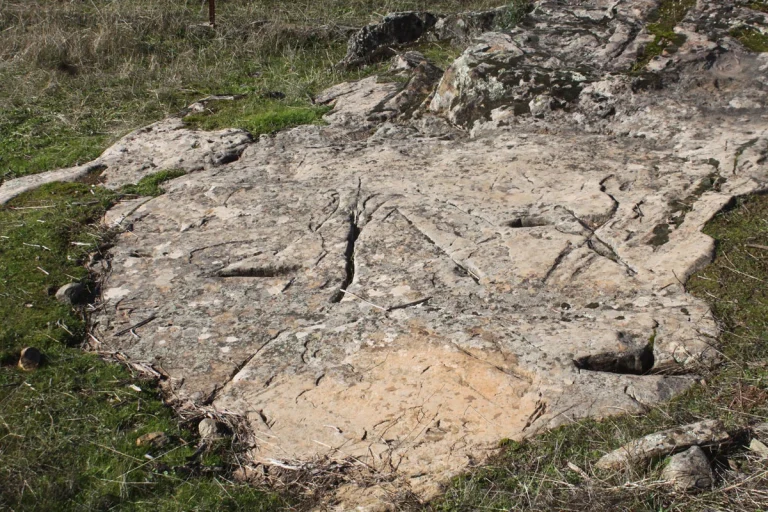
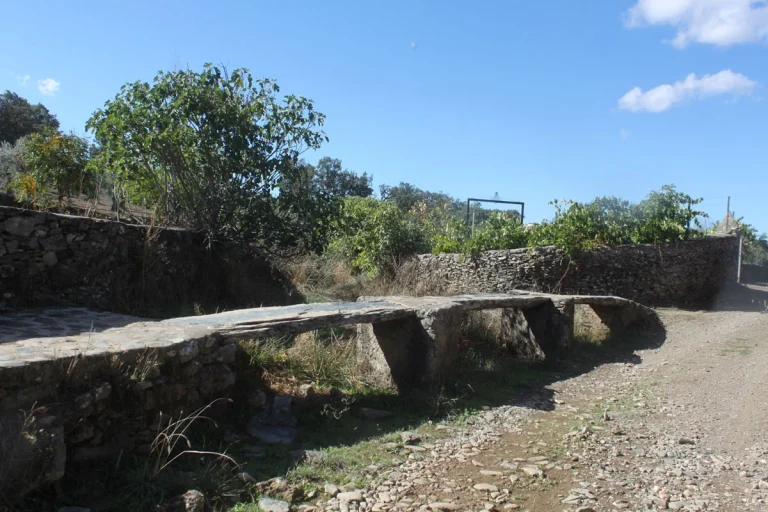
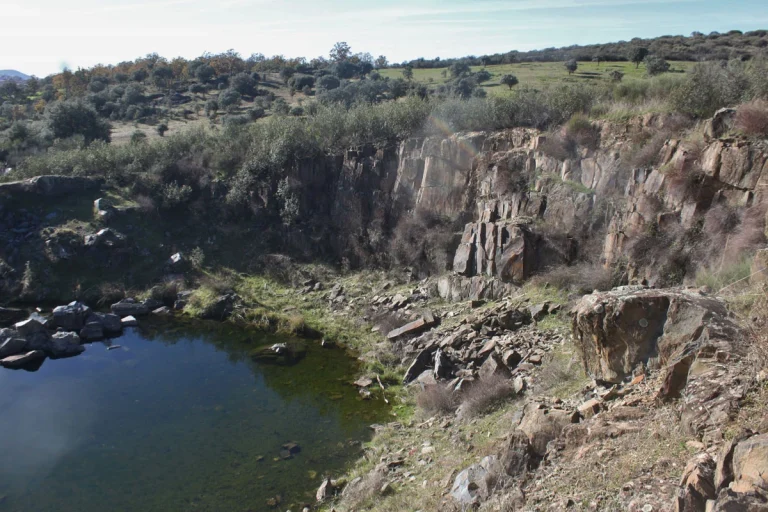
The place has a very special charm. At the bottom of the valley, just before starting the ascent of the first pass that we find on the way to Berzocana. In the surroundings we have a good number of points of interest in our tour of Garciaz. If you haven’t seen it yet, on the way back to town you can stop and see it. The engravings of the Cancho de la Pataina or the viewpoint of the stars, also the banks of the river Garciaz, which many historic bridges to pass from one side to the other by the four cardinal points.
Este sitio web utiliza cookies para mejorar su experiencia mientras navega por el sitio web. De estas, las cookies que se clasifican como necesarias se almacenan en su navegador, ya que son esenciales para el funcionamiento de las funcionalidades básicas del sitio web. También utilizamos cookies de terceros que nos ayudan a analizar y comprender cómo utiliza este sitio web. Estas cookies se almacenarán en su navegador solo con su consentimiento. También tiene la opción de rechazar estas cookies. Pero la exclusión voluntaria de algunas de estas cookies puede afectar su experiencia de navegación.| Cookie | Duration | Description |
|---|---|---|
| cookielawinfo-checkbox-analytics | 11 months | This cookie is set by GDPR Cookie Consent plugin. The cookie is used to store the user consent for the cookies in the category "Analytics". |
| cookielawinfo-checkbox-functional | 11 months | The cookie is set by GDPR cookie consent to record the user consent for the cookies in the category "Functional". |
| cookielawinfo-checkbox-necessary | 11 months | This cookie is set by GDPR Cookie Consent plugin. The cookies is used to store the user consent for the cookies in the category "Necessary". |
| cookielawinfo-checkbox-others | 11 months | This cookie is set by GDPR Cookie Consent plugin. The cookie is used to store the user consent for the cookies in the category "Other. |
| cookielawinfo-checkbox-performance | 11 months | This cookie is set by GDPR Cookie Consent plugin. The cookie is used to store the user consent for the cookies in the category "Performance". |
| cookielawinfo-checkbox-performance | Set by the GDPR Cookie Consent plugin to record the user consent for the cookies in the "Performance" category. | |
| CookieLawInfoConsent | Records the default button state of the corresponding category & the status of CCPA. It works only in coordination with the primary cookie. | |
| elementor | This cookie is used by the website's WordPress theme. It allows the website owner to implement or change the website's content in real-time. | |
| viewed_cookie_policy | 11 months | The cookie is set by the GDPR Cookie Consent plugin and is used to store whether or not user has consented to the use of cookies. It does not store any personal data. |
| Cookie | Duration | Description |
|---|---|---|
| _ga | The _ga cookie, installed by Google Analytics, calculates visitor, session and campaign data and also keeps track of site usage for the site's analytics report. The cookie stores information anonymously and assigns a randomly generated number to recognize unique visitors. | |
| _ga_3JH8W21W66 | This cookie is installed by Google Analytics. | |
| CONSENT | YouTube sets this cookie via embedded youtube-videos and registers anonymous statistical data. |
| Cookie | Duration | Description |
|---|---|---|
| VISITOR_INFO1_LIVE | A cookie set by YouTube to measure bandwidth that determines whether the user gets the new or old player interface. | |
| YSC | YSC cookie is set by Youtube and is used to track the views of embedded videos on Youtube pages. | |
| yt-remote-connected-devices | YouTube sets this cookie to store the video preferences of the user using embedded YouTube video. | |
| yt-remote-device-id | YouTube sets this cookie to store the video preferences of the user using embedded YouTube video. | |
| yt.innertube::nextId | This cookie, set by YouTube, registers a unique ID to store data on what videos from YouTube the user has viewed. | |
| yt.innertube::requests | This cookie, set by YouTube, registers a unique ID to store data on what videos from YouTube the user has viewed. |
| Cookie | Duration | Description |
|---|---|---|
| cookielawinfo-checkbox-imprescindibles | No description | |
| wp-wpml_current_language | No description available. |