It is located in the highest area of Garciaz where a number of streets lead to it. It is the most outstanding monument of the locality.

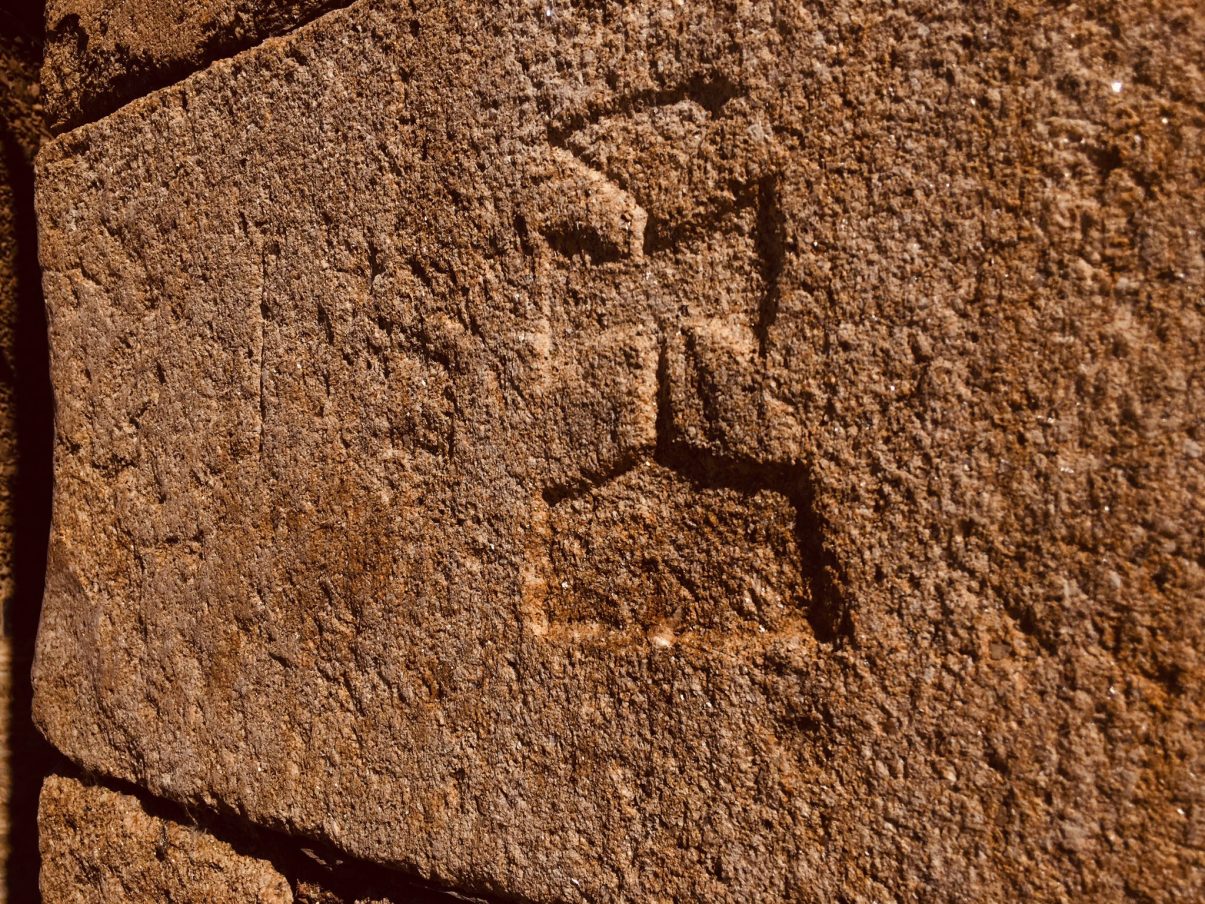
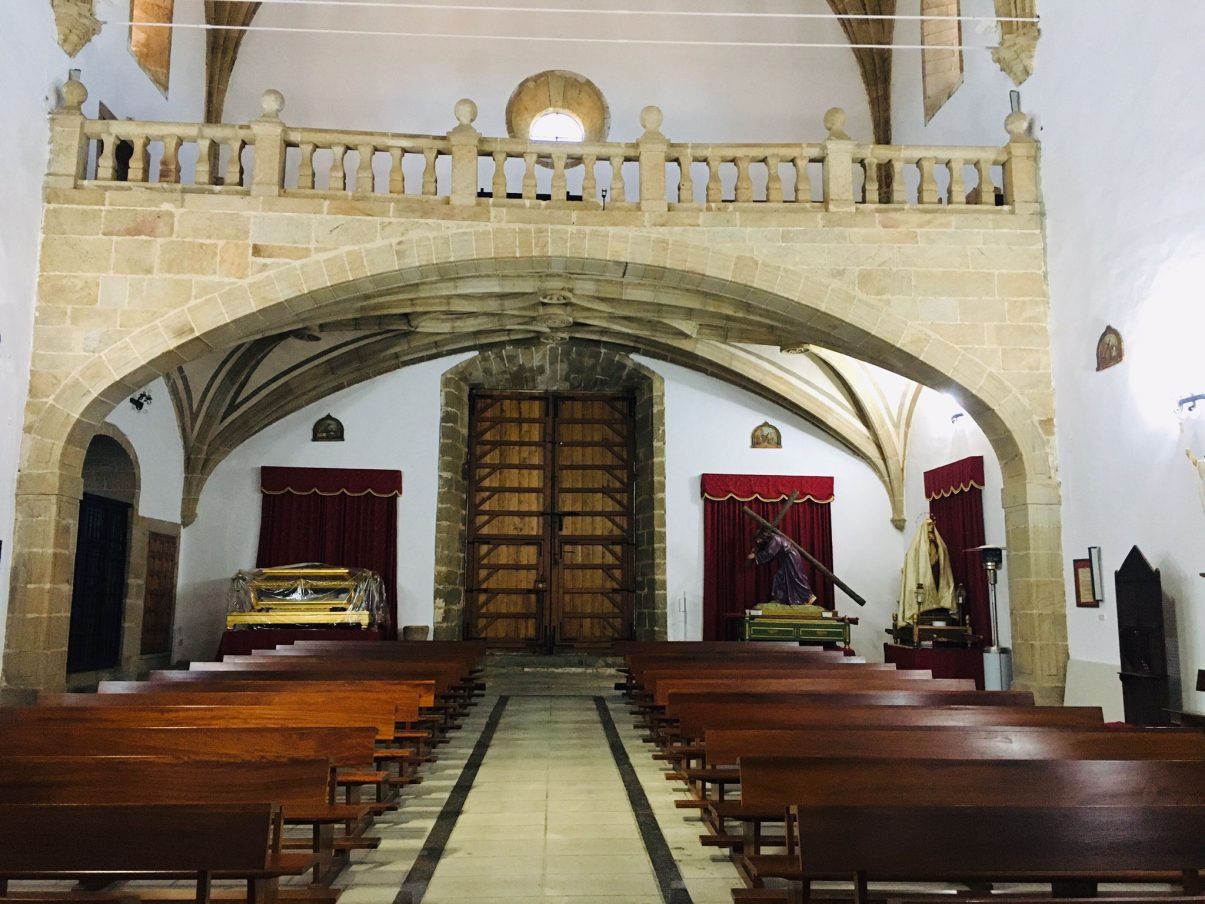
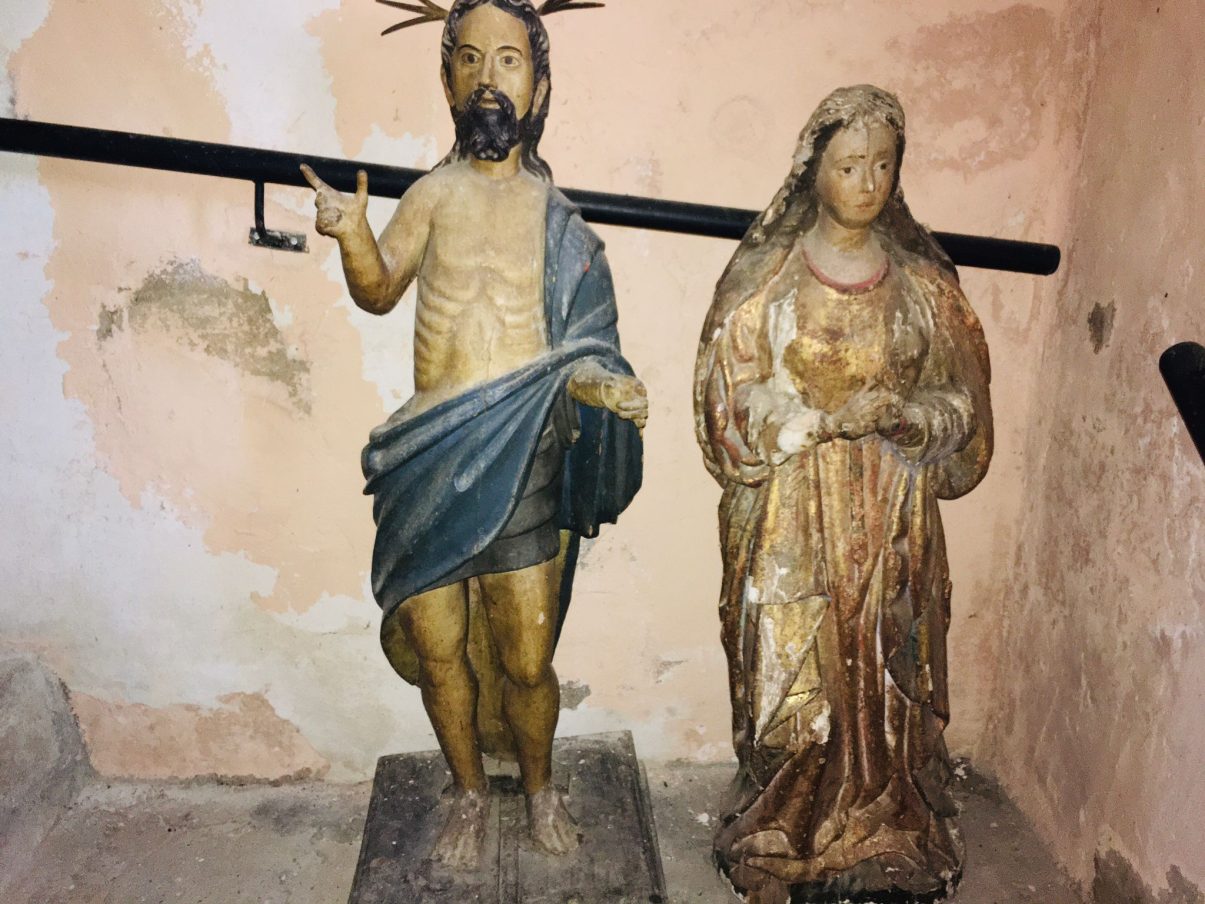
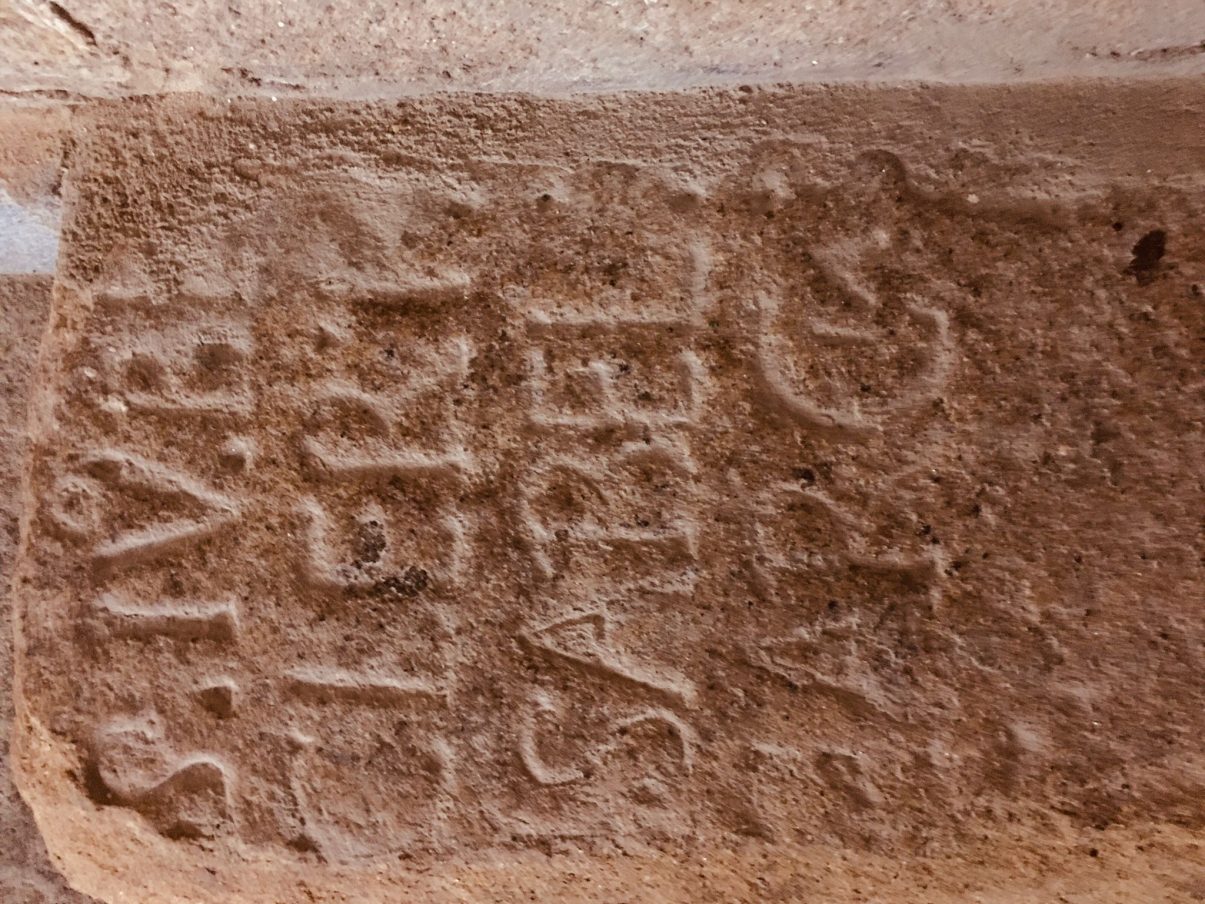
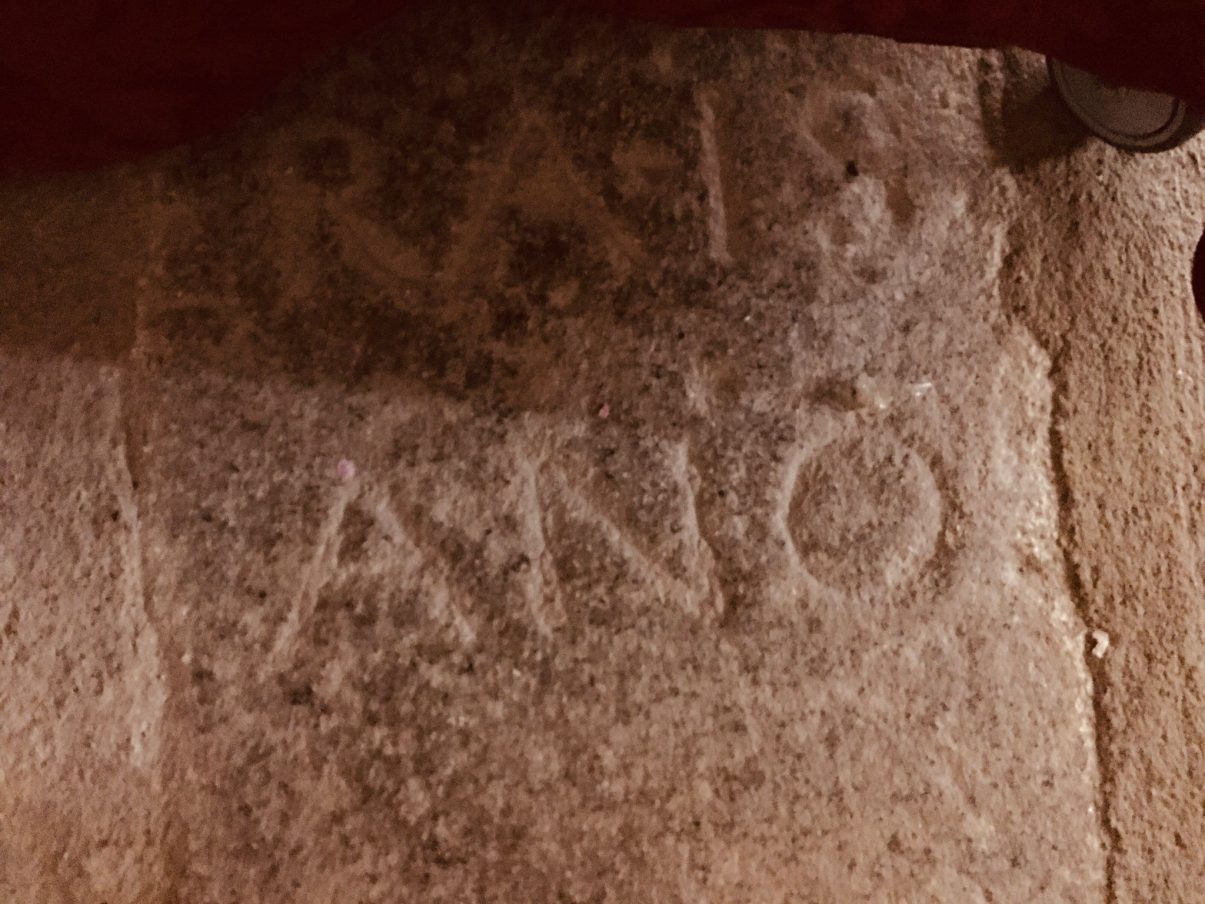
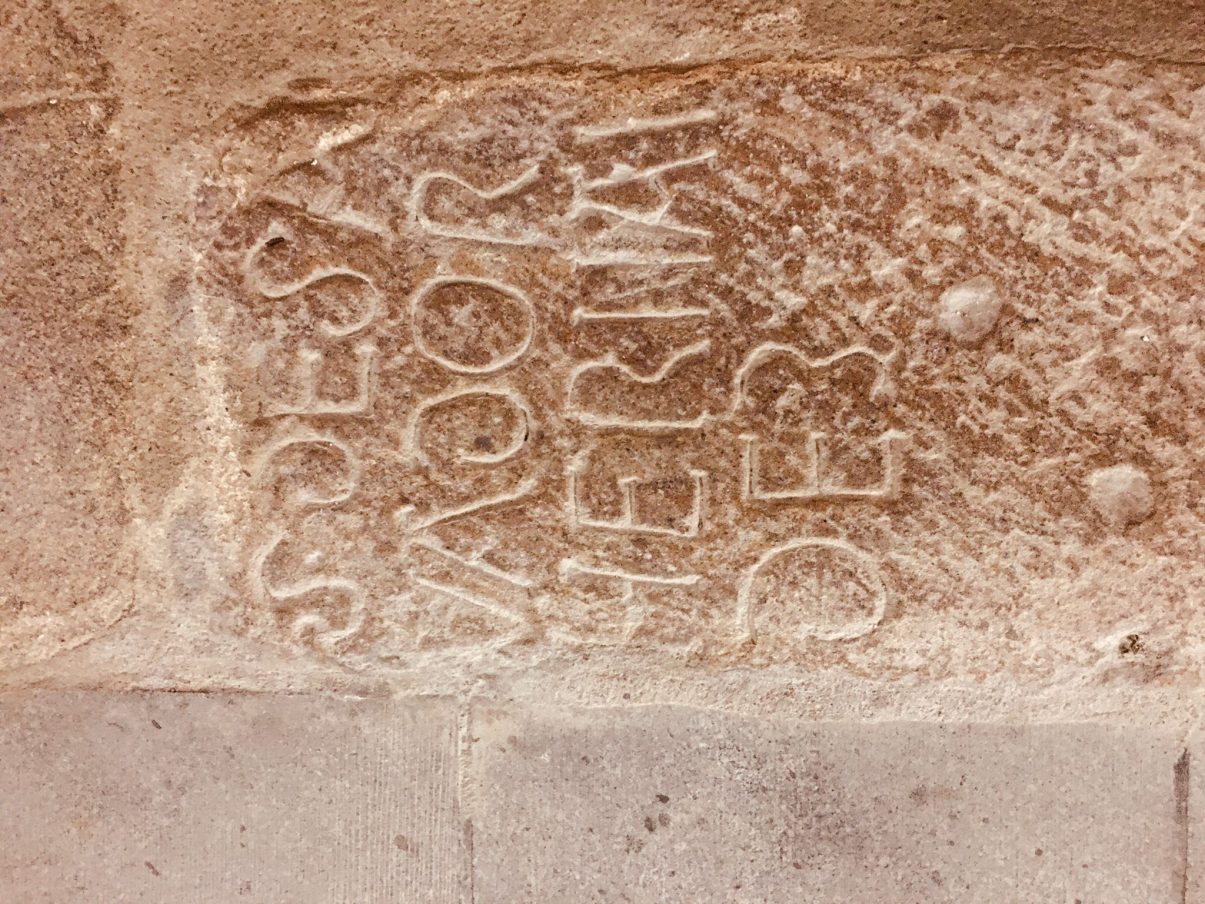
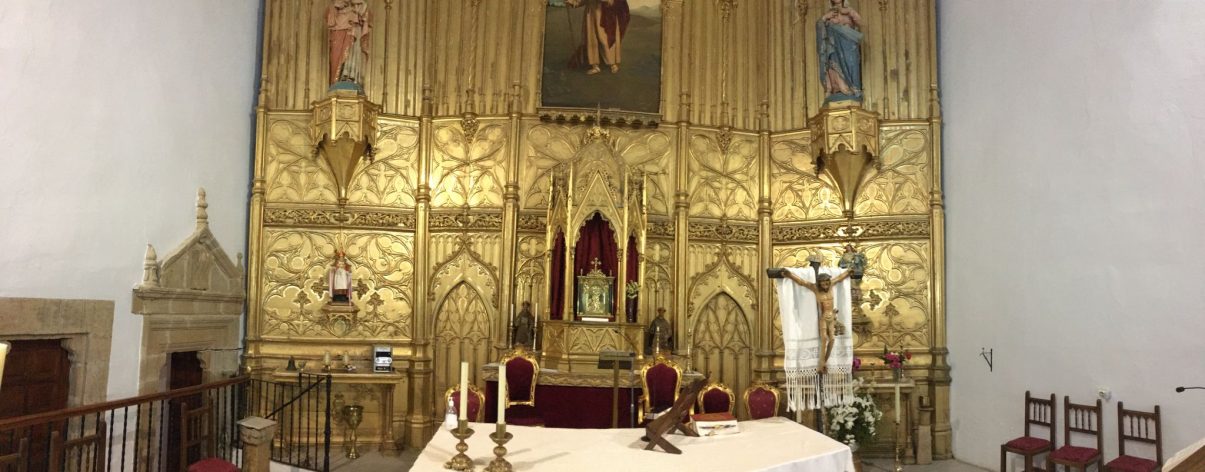
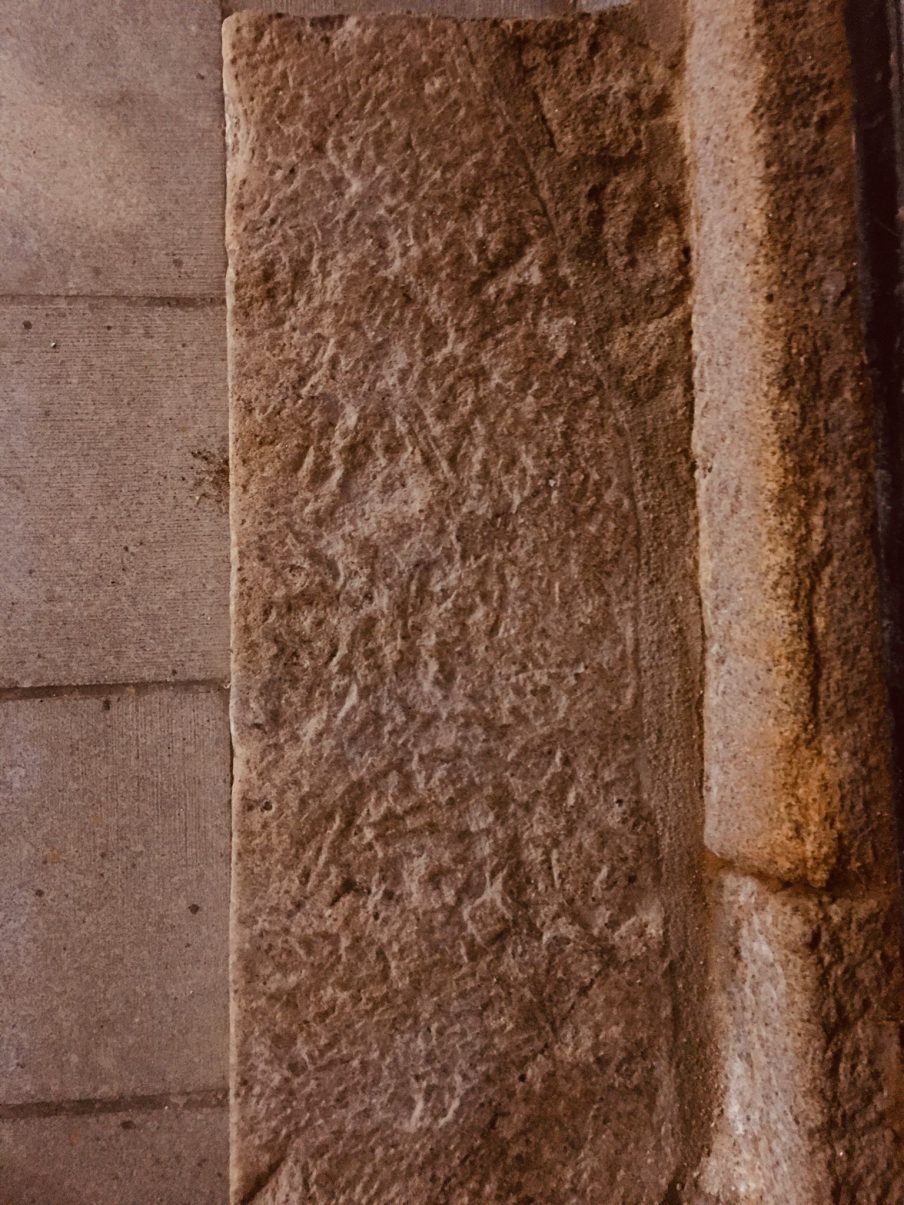
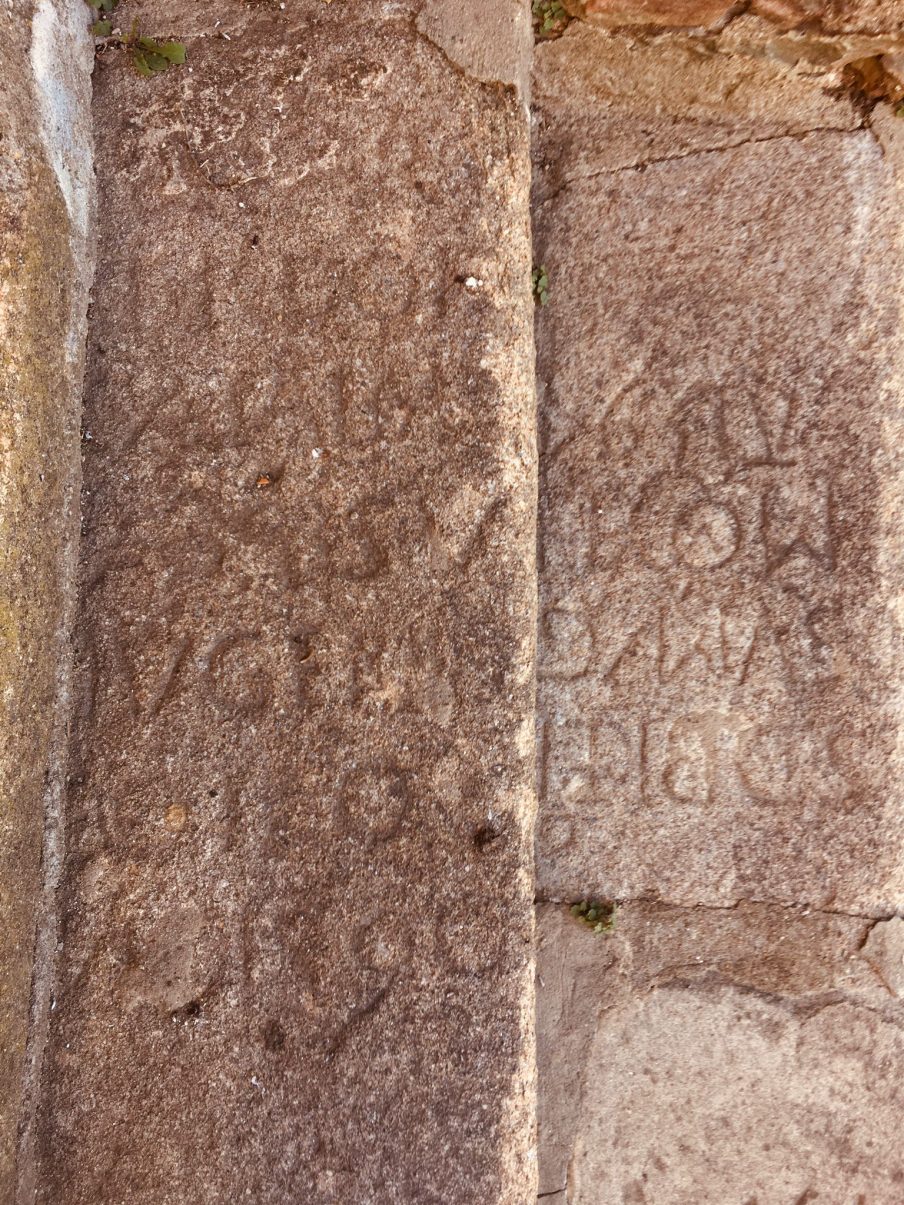
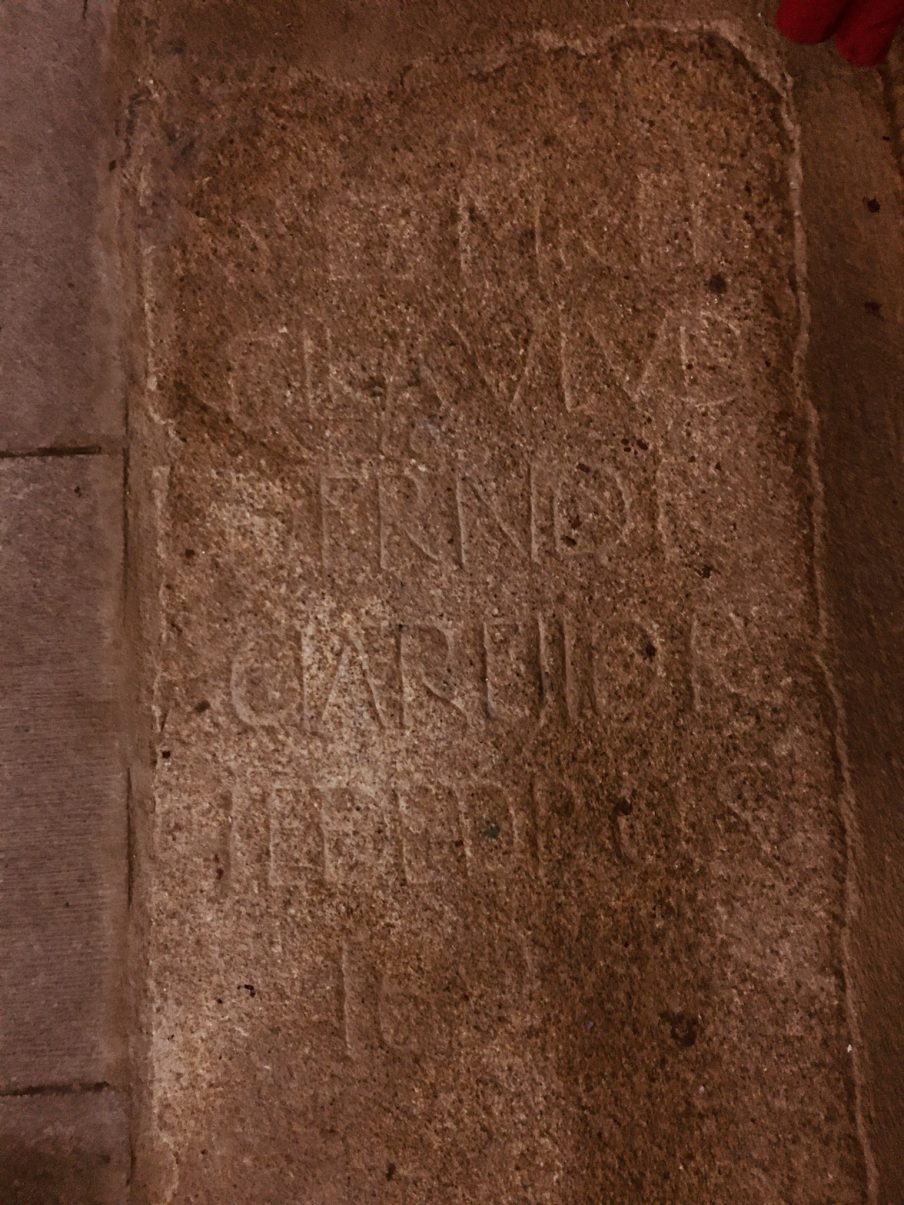
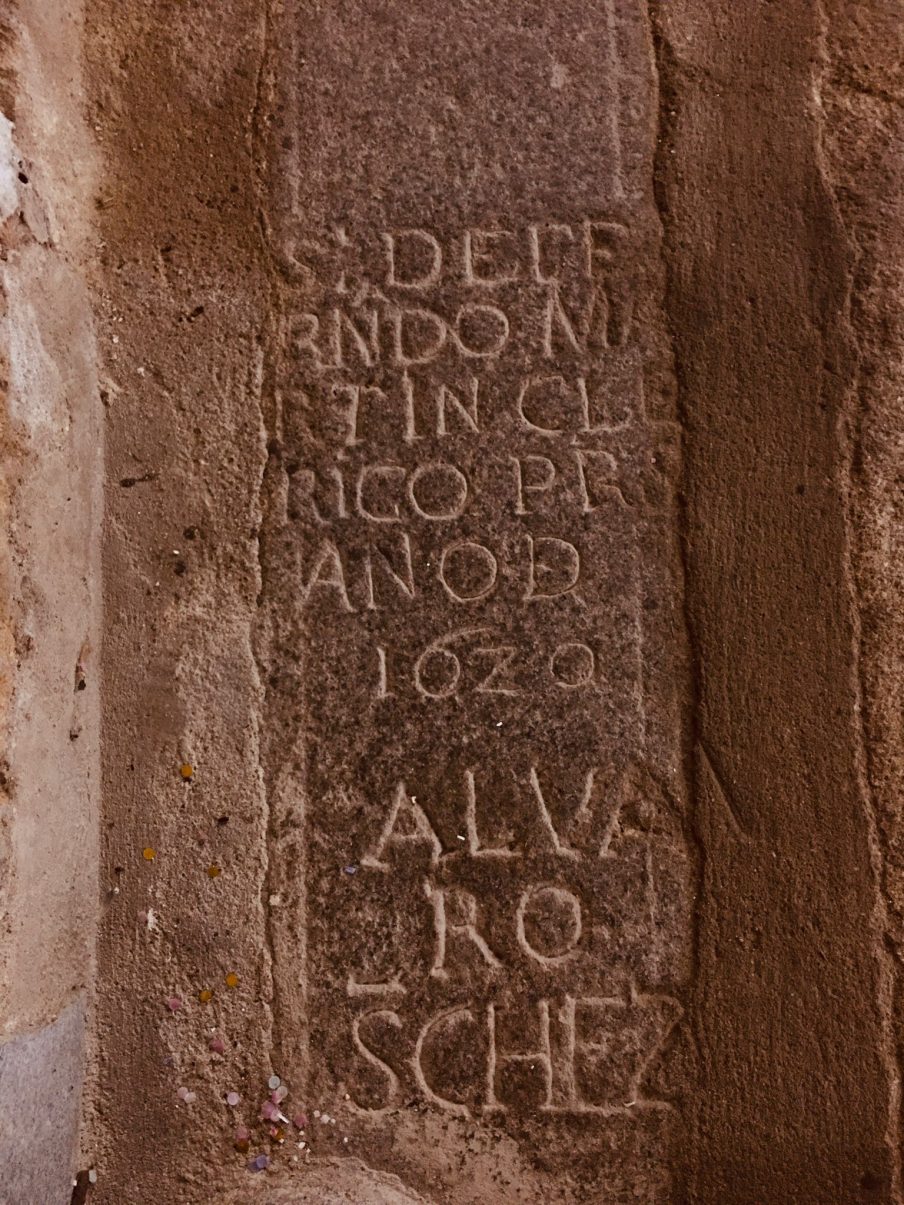
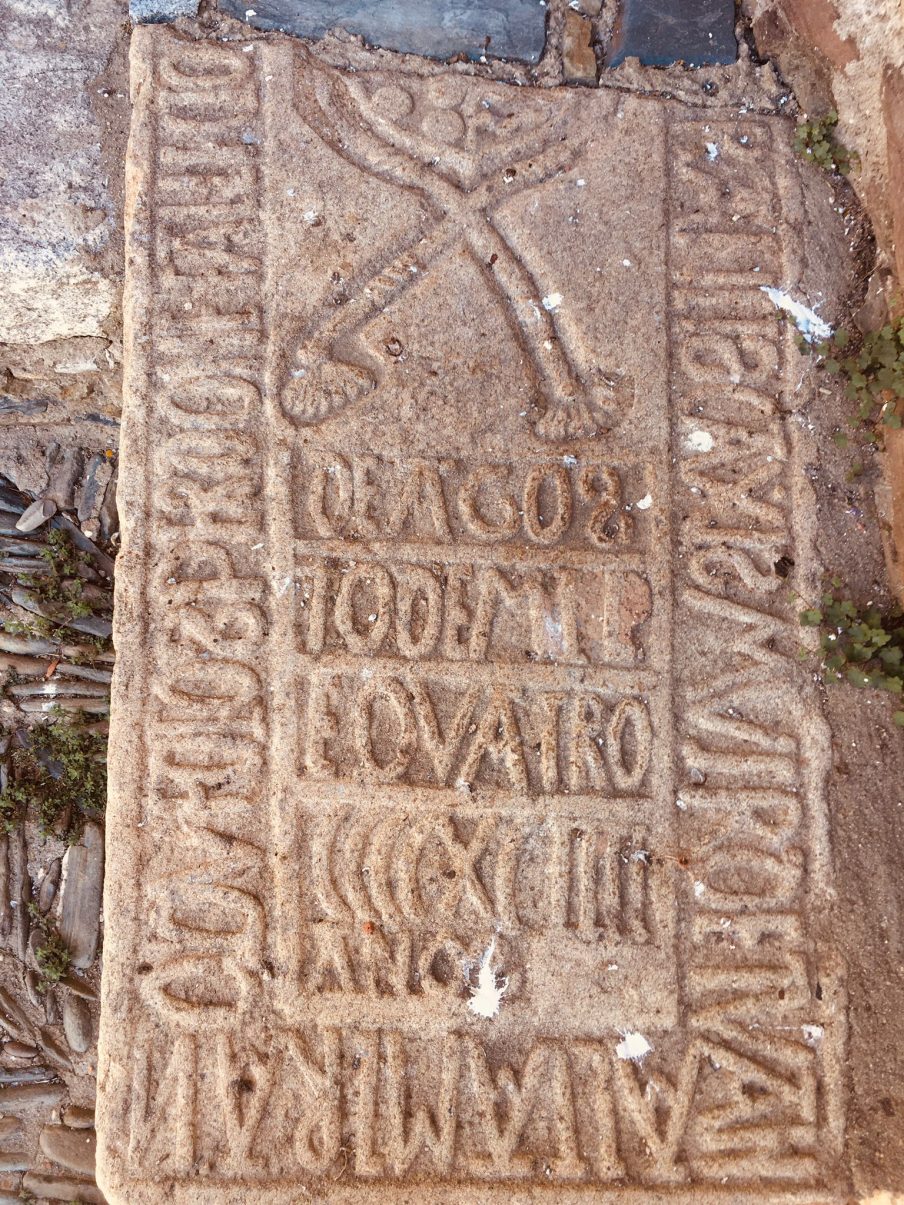
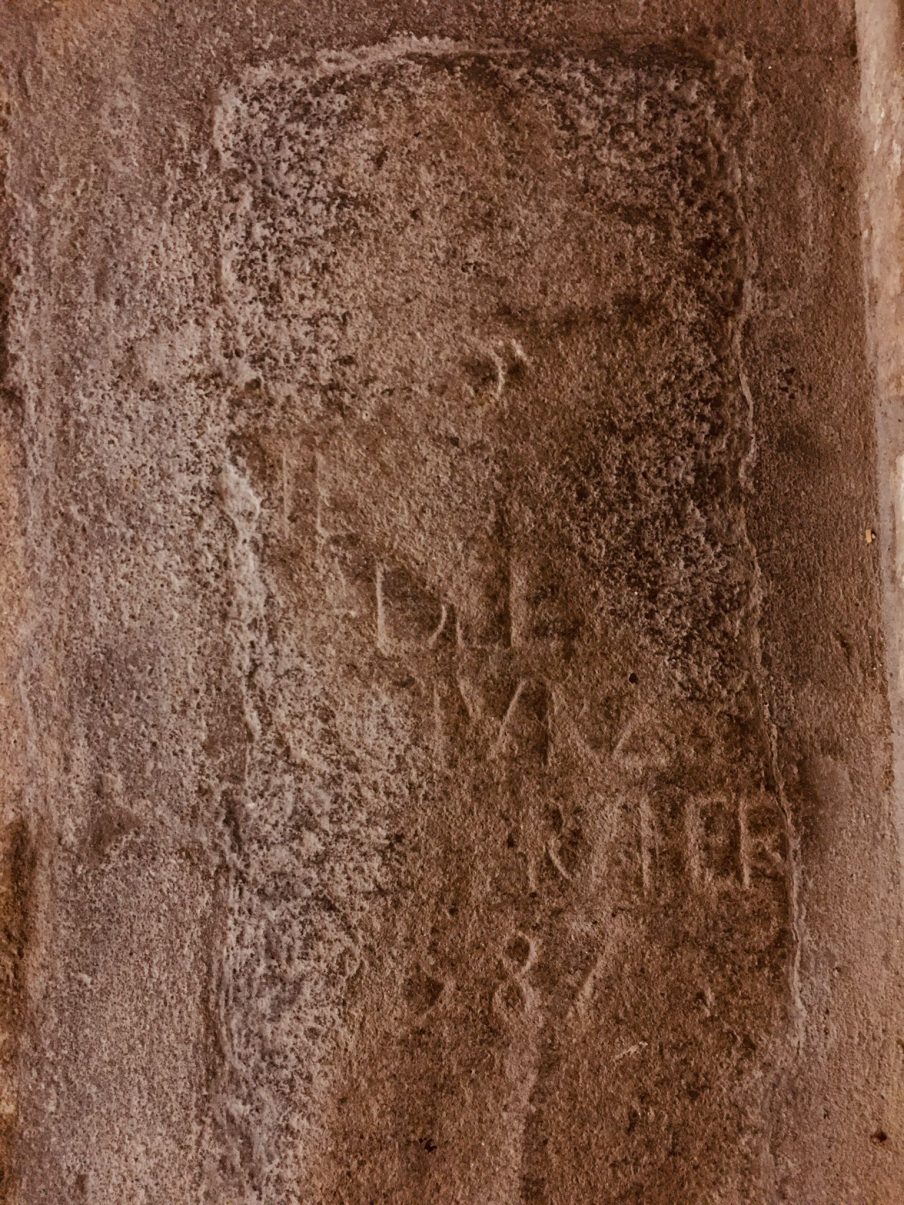
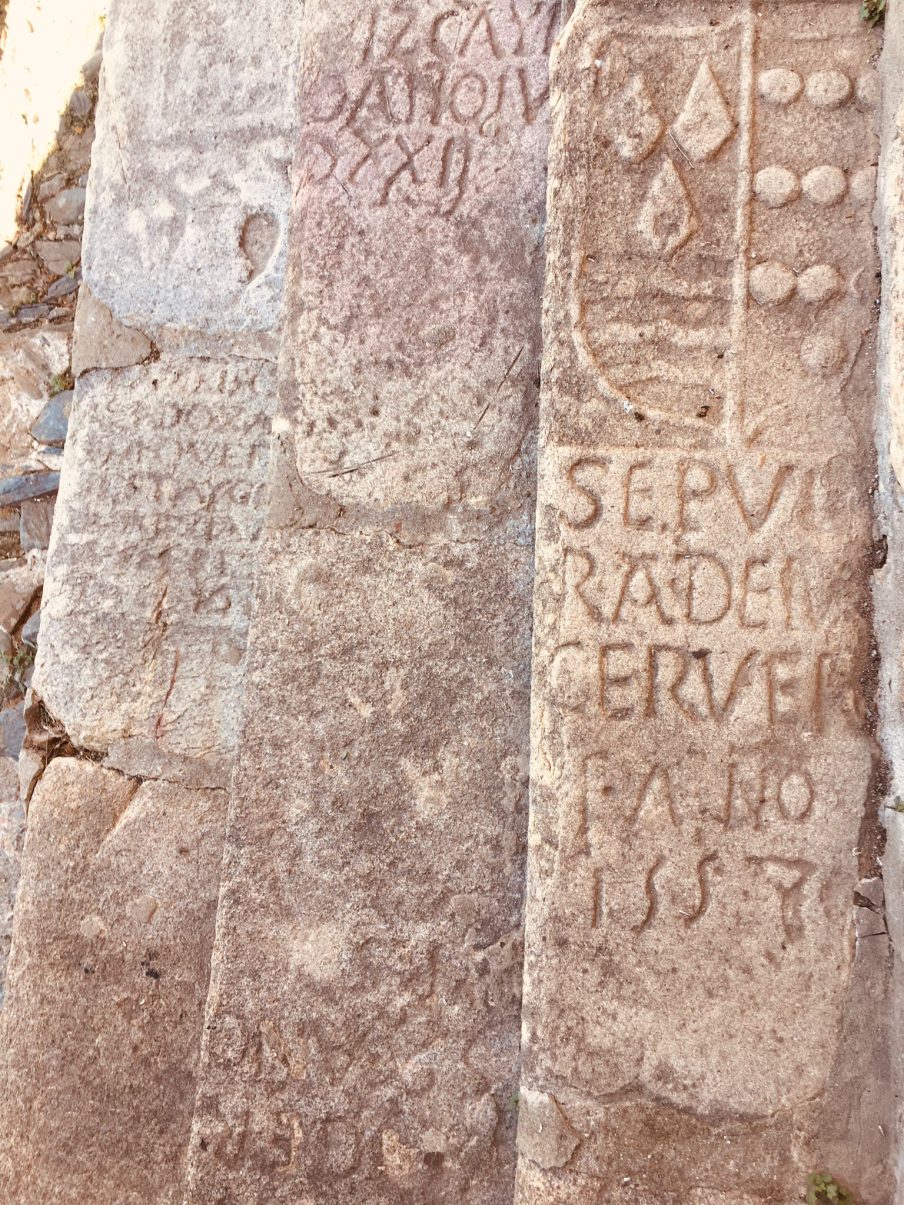
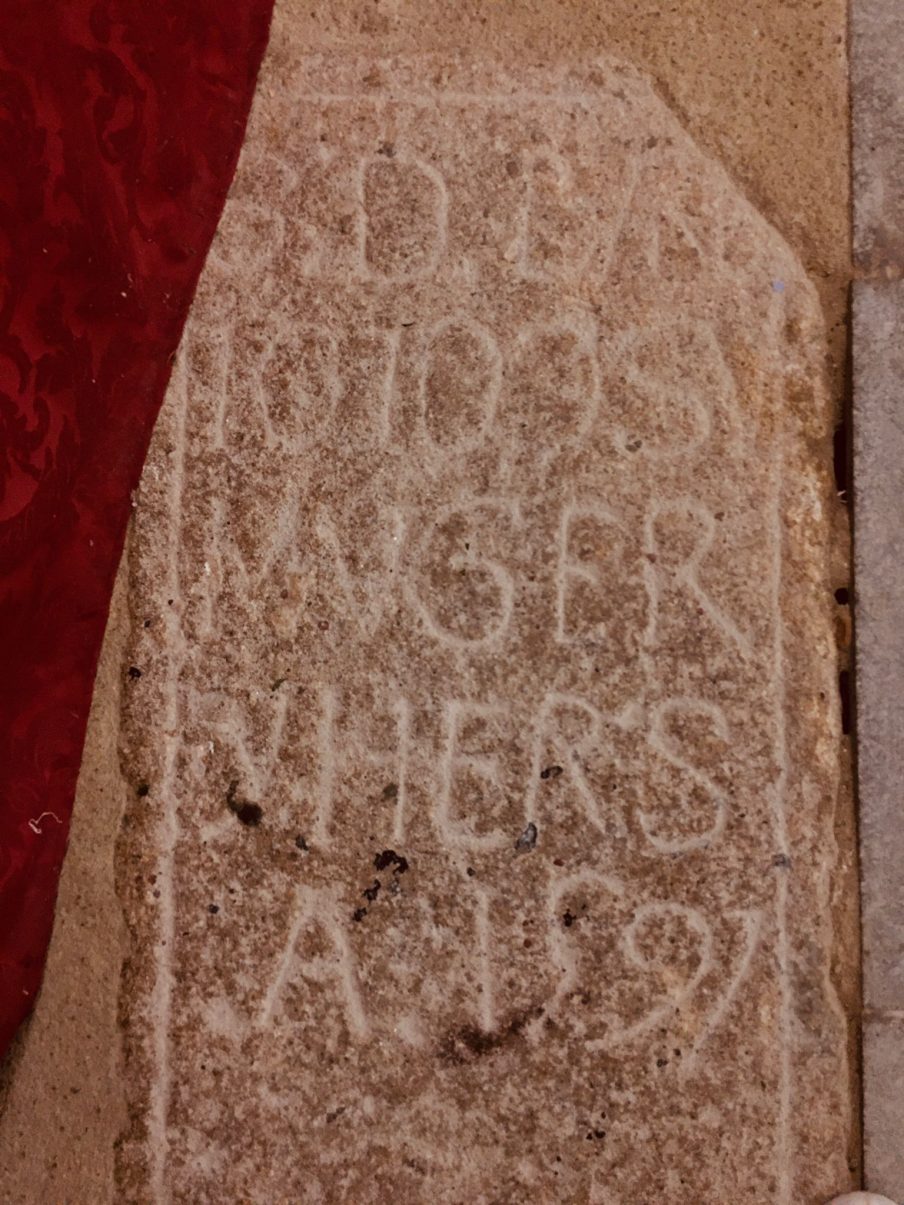
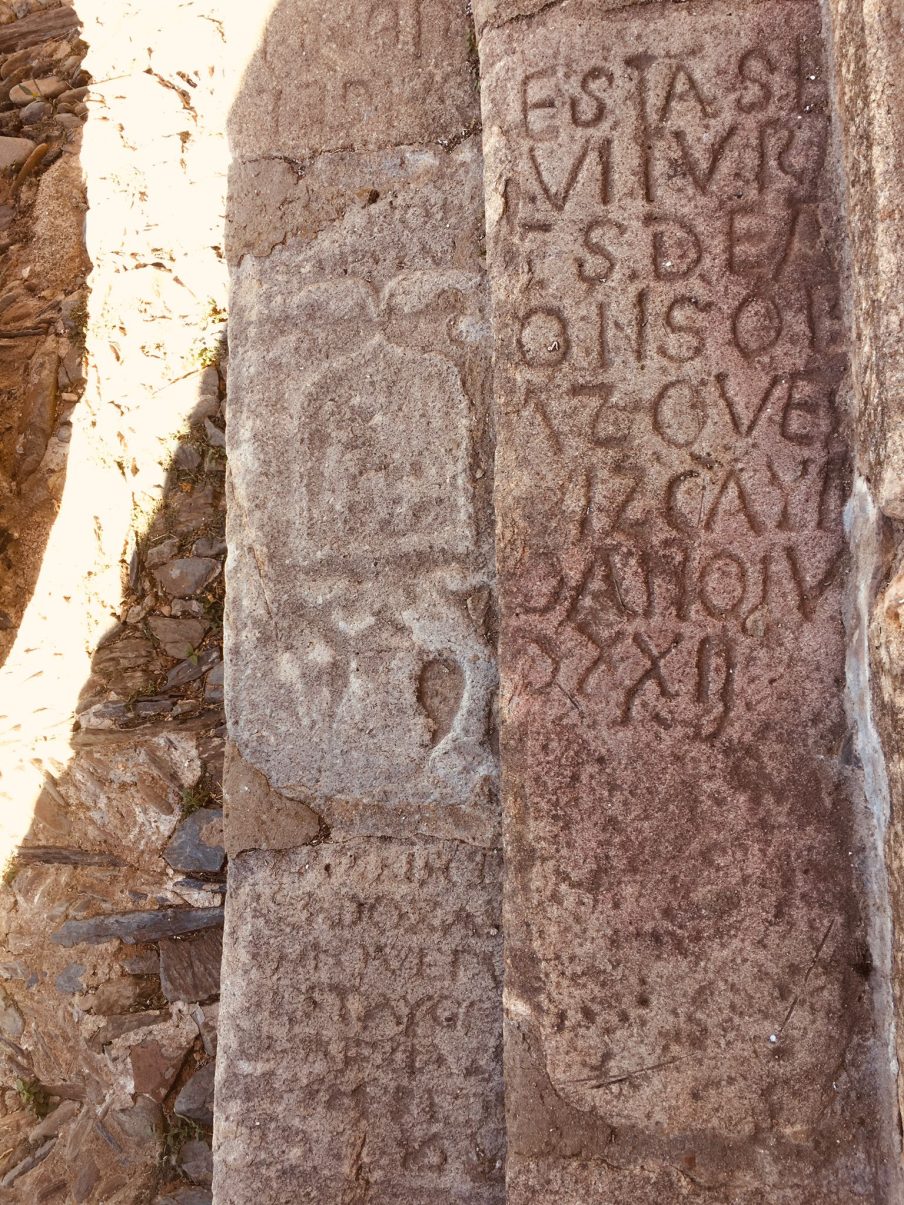
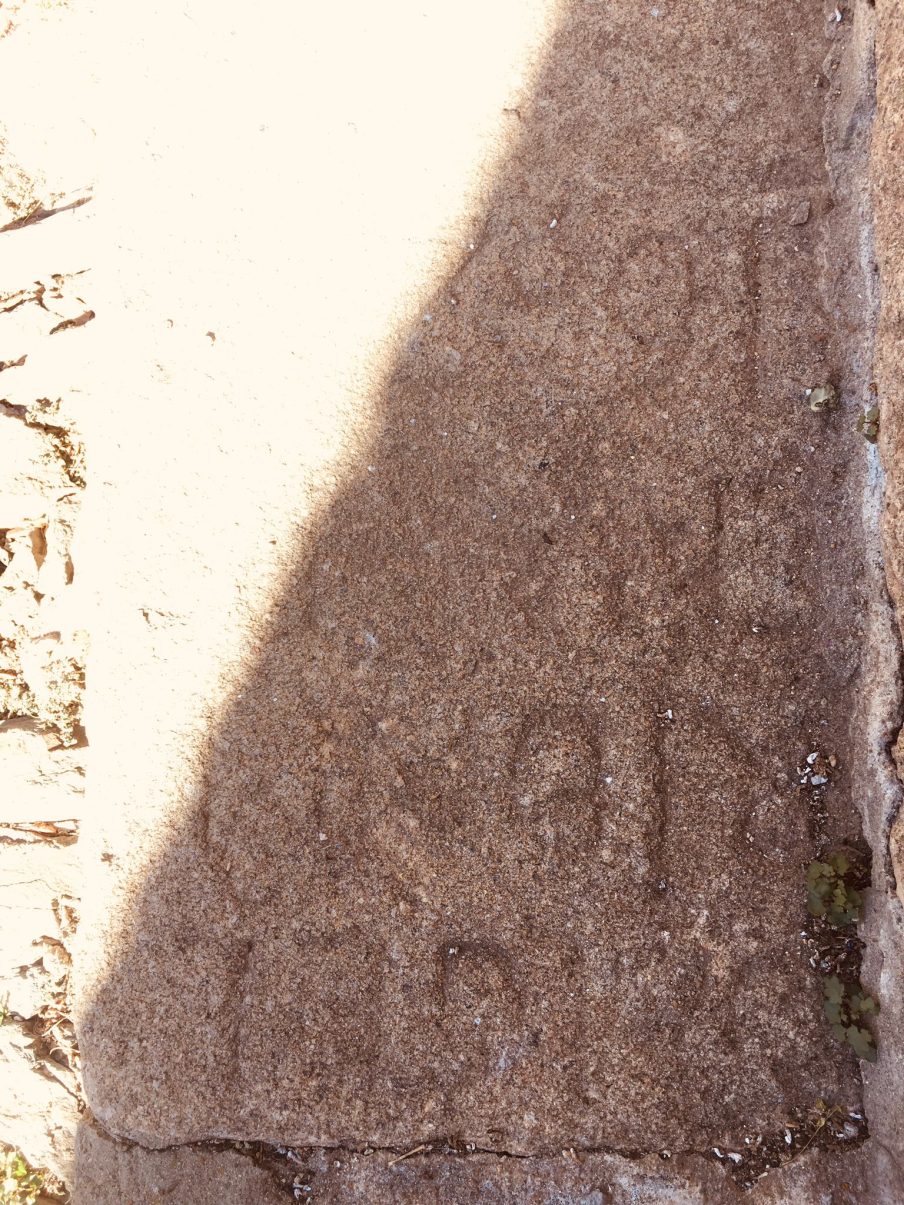
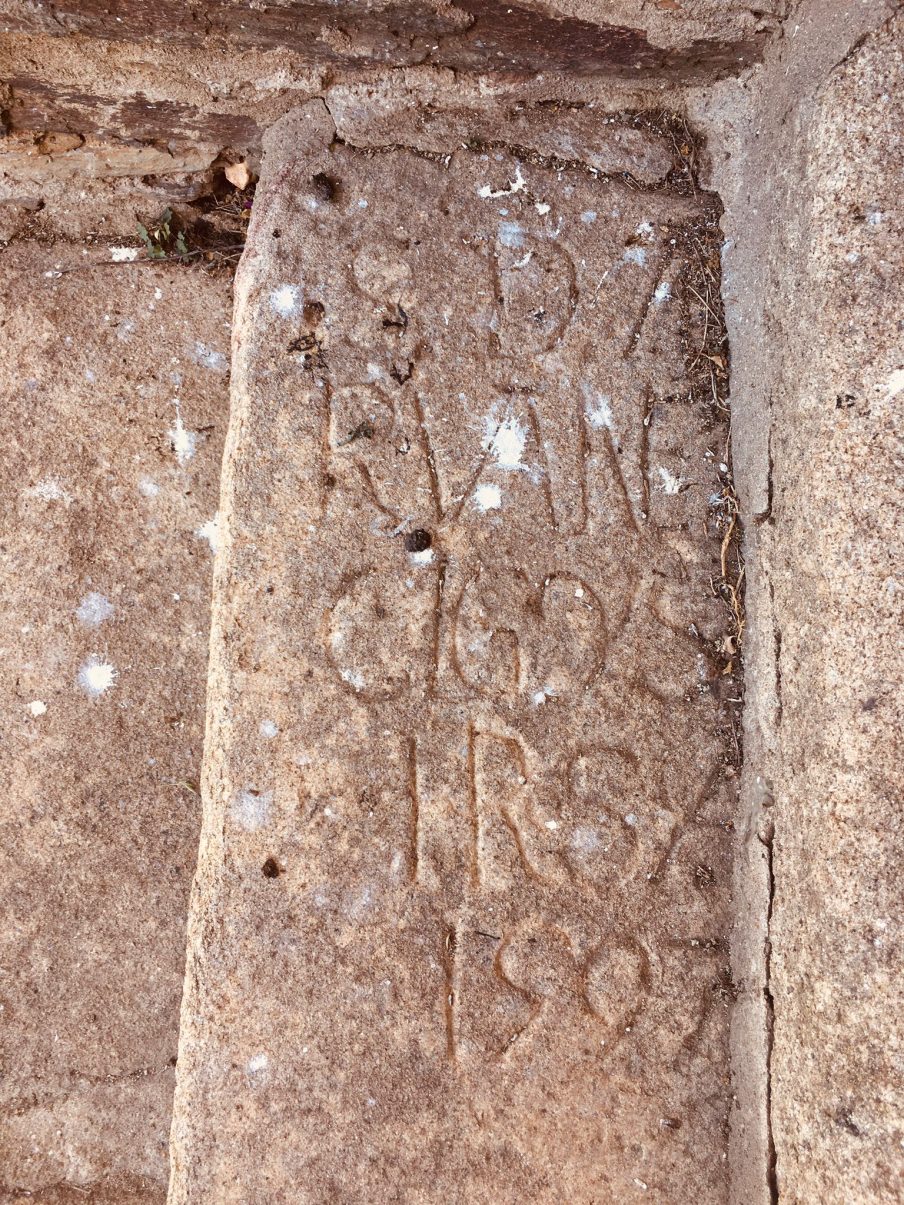
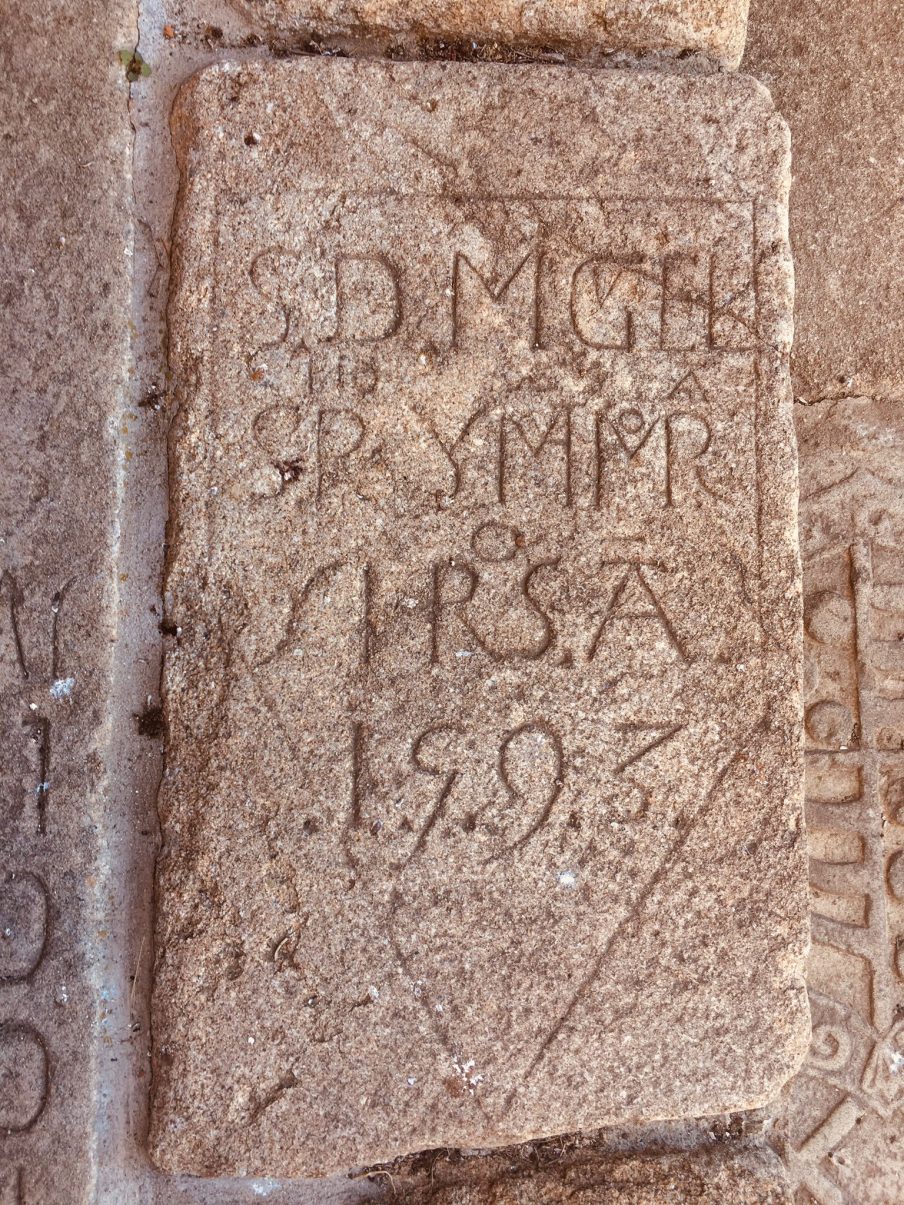
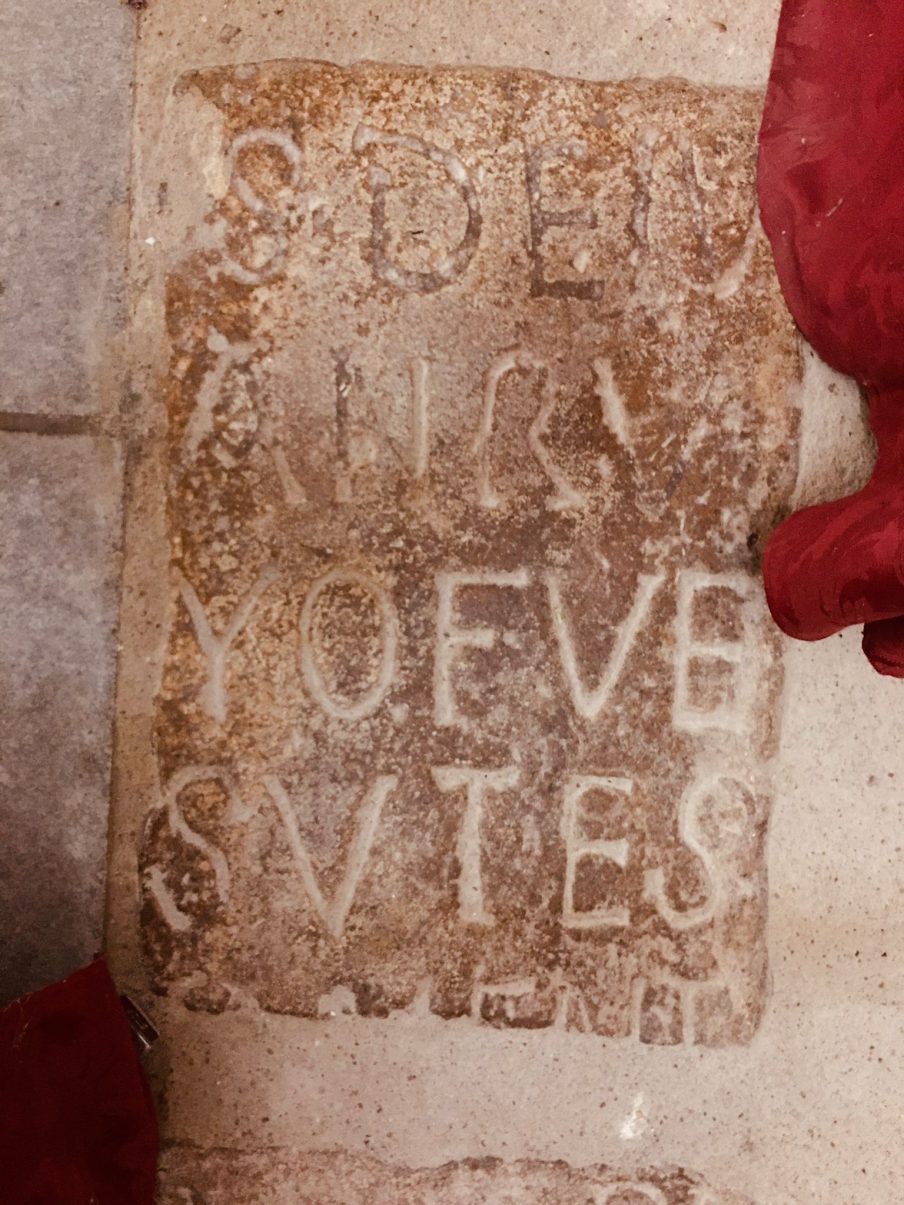
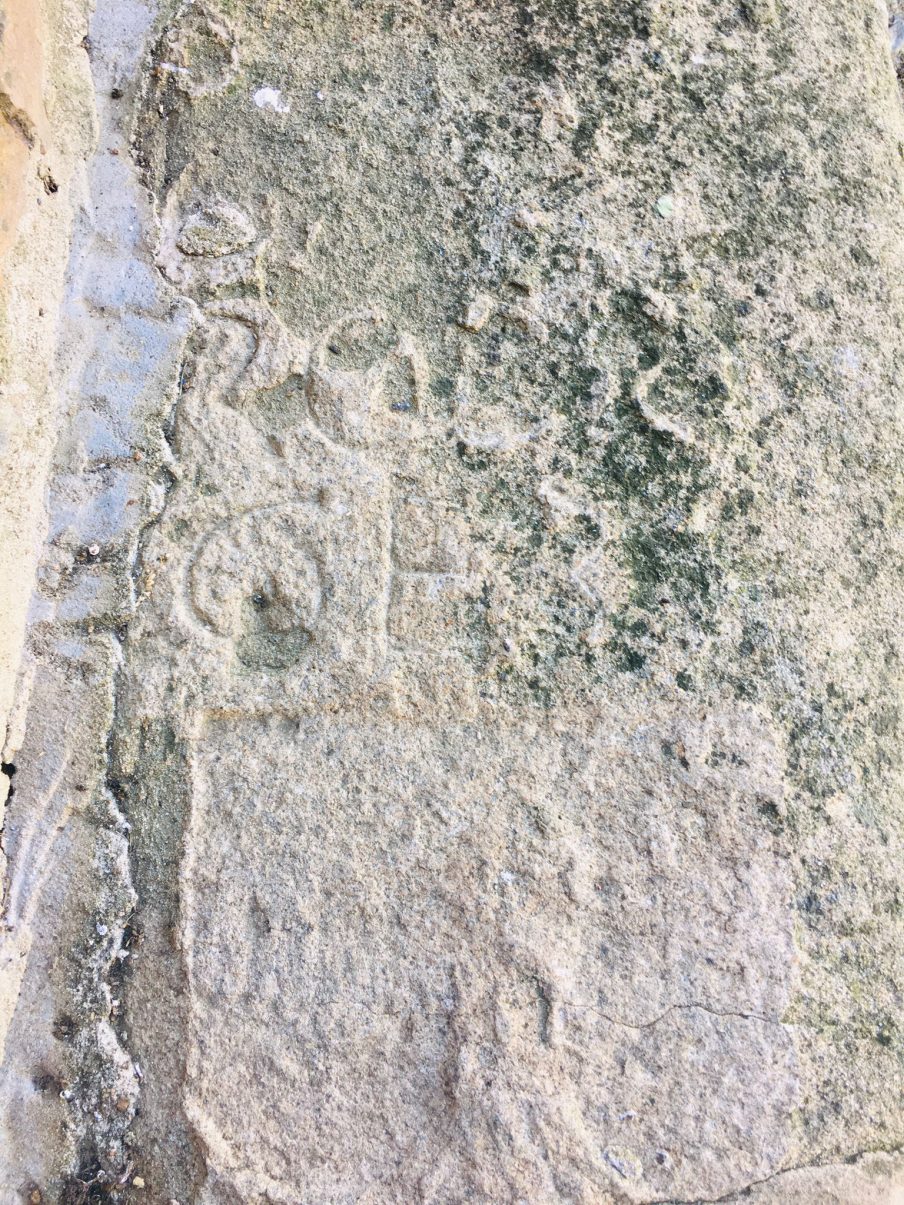
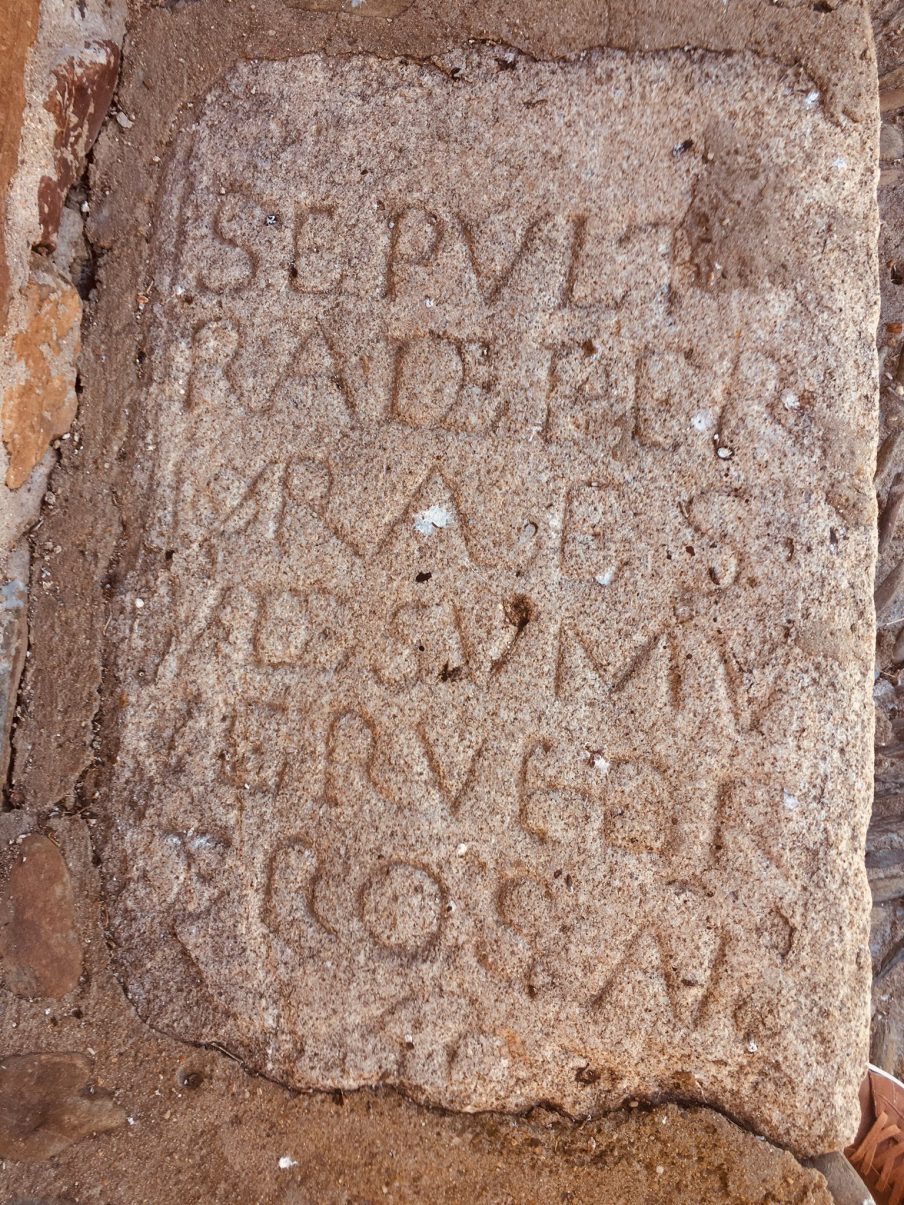
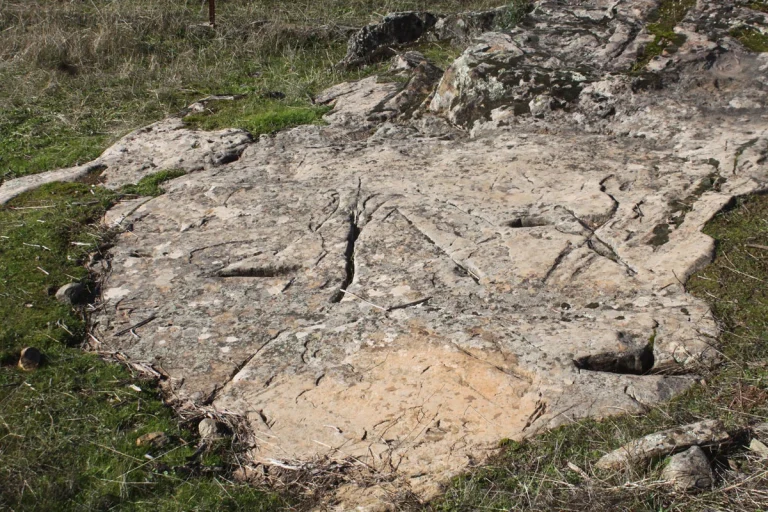
Magnificent Church Hall, its most important work was done in the sixteenth century. The origin is lost with the beginning of the population, with the character of a fortress, a Roman altar dedicated to Mars is preserved, as well as Visigothic and early medieval remains.
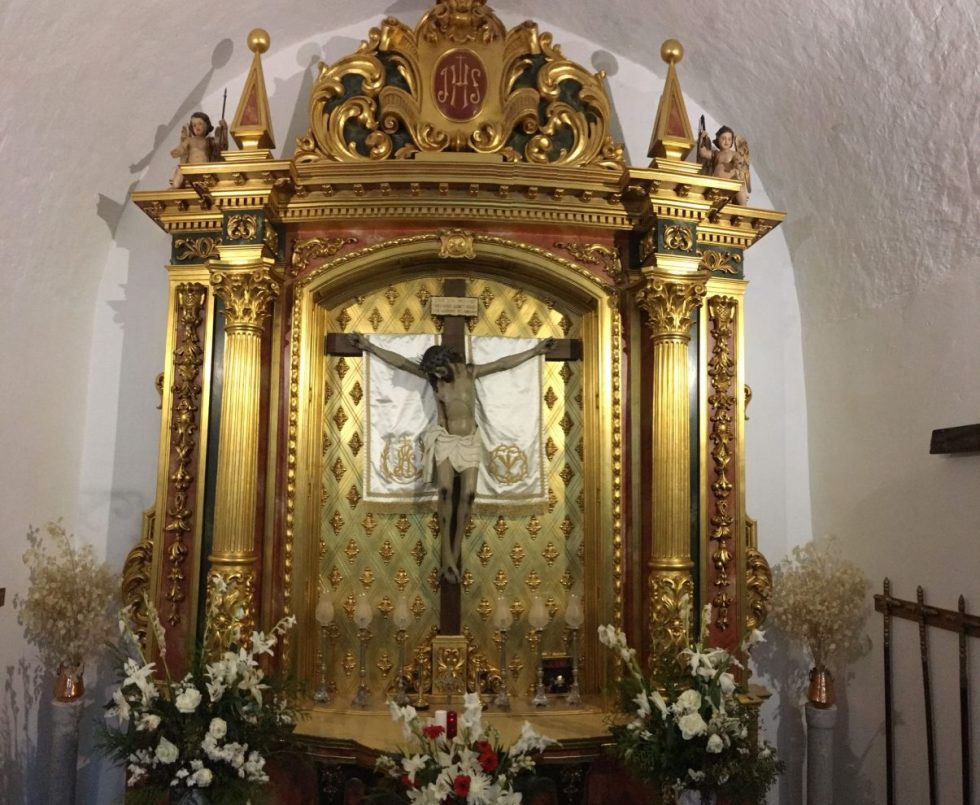
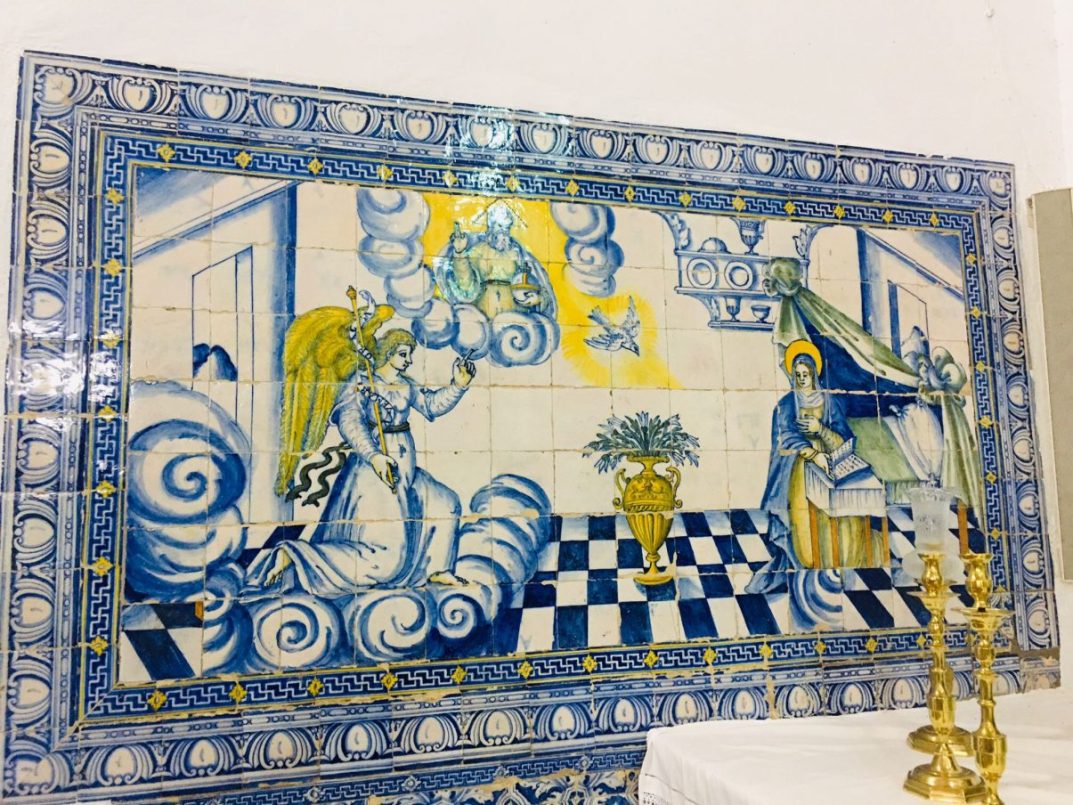
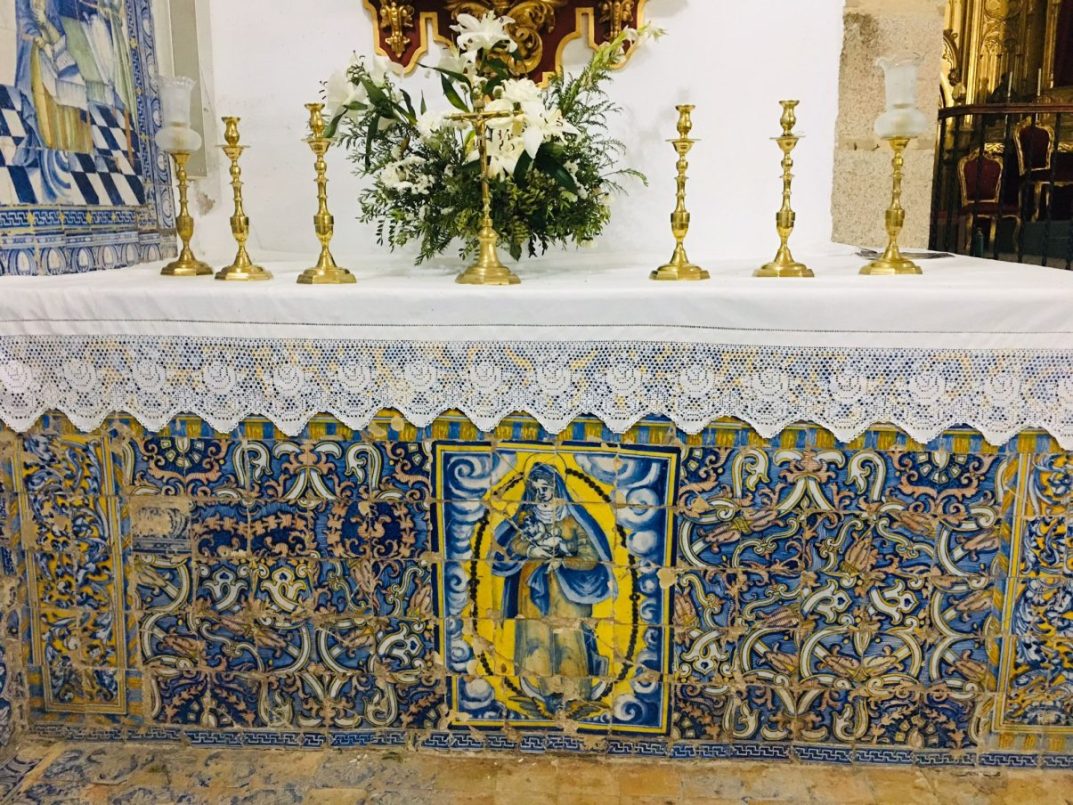
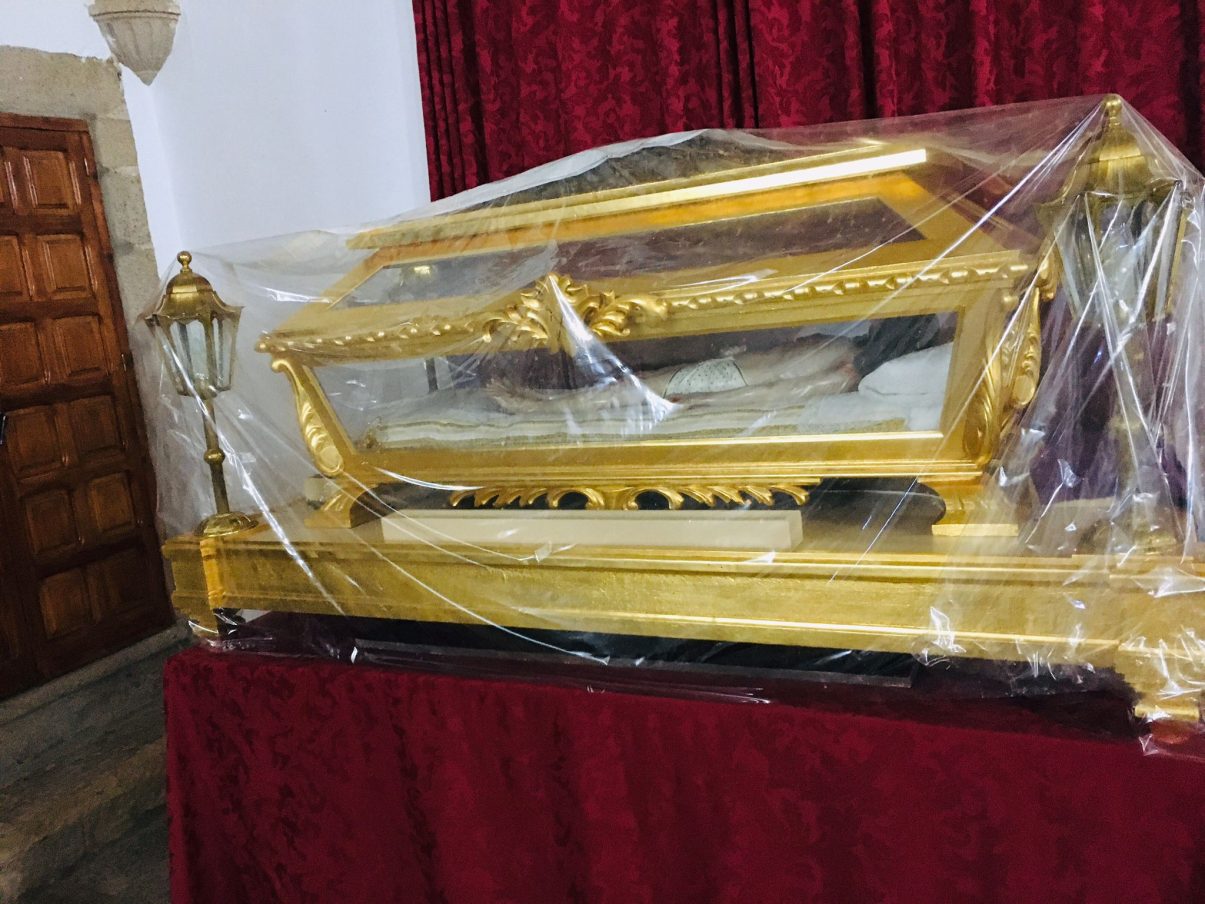
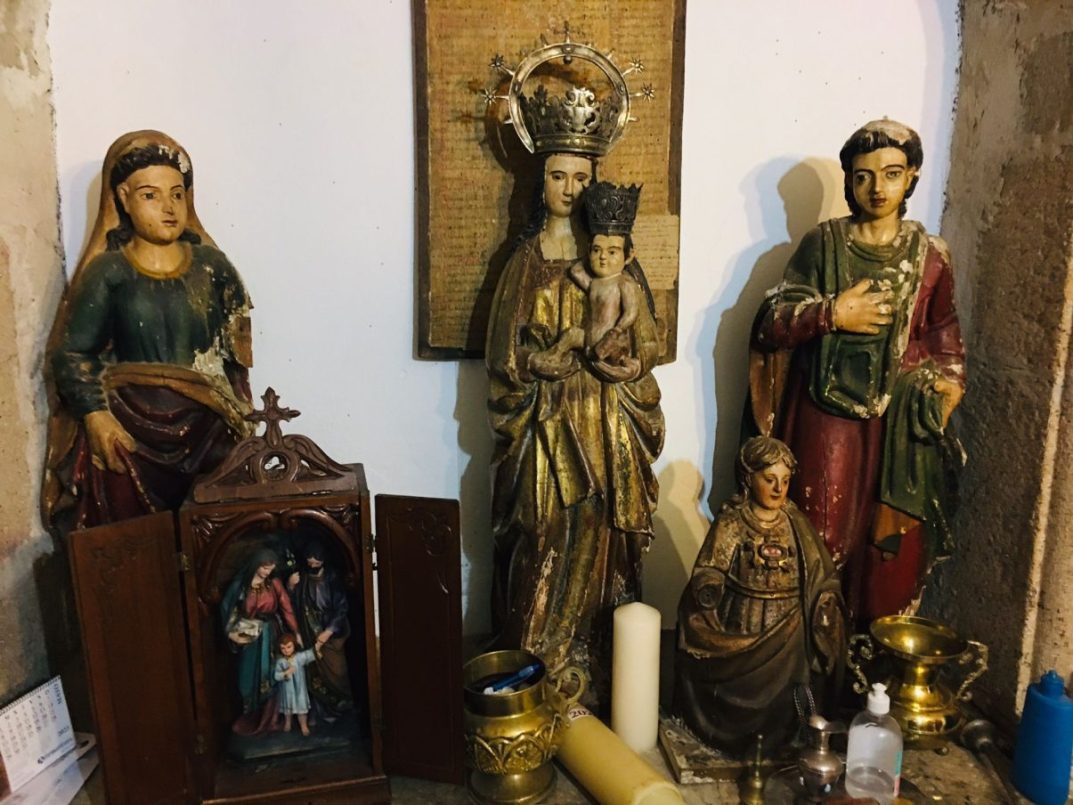
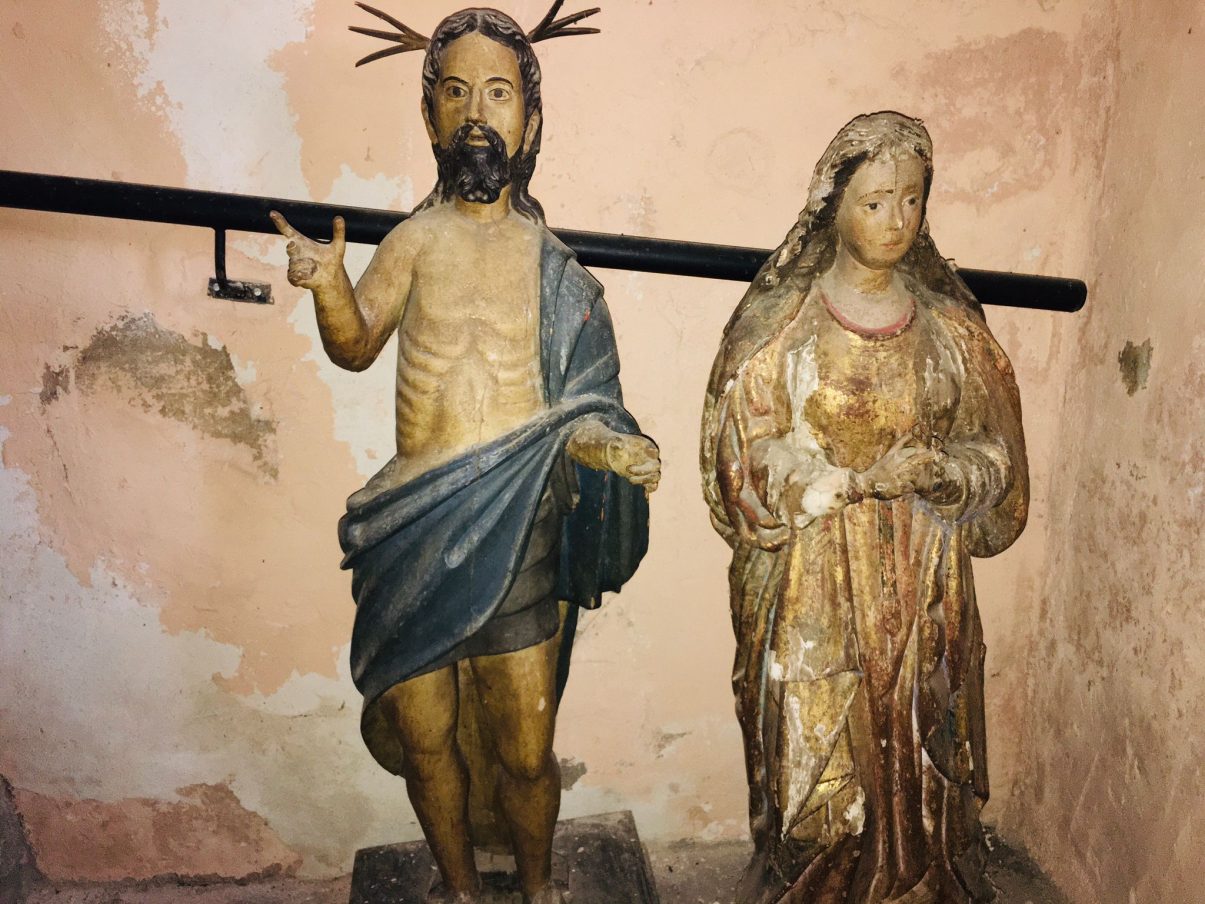
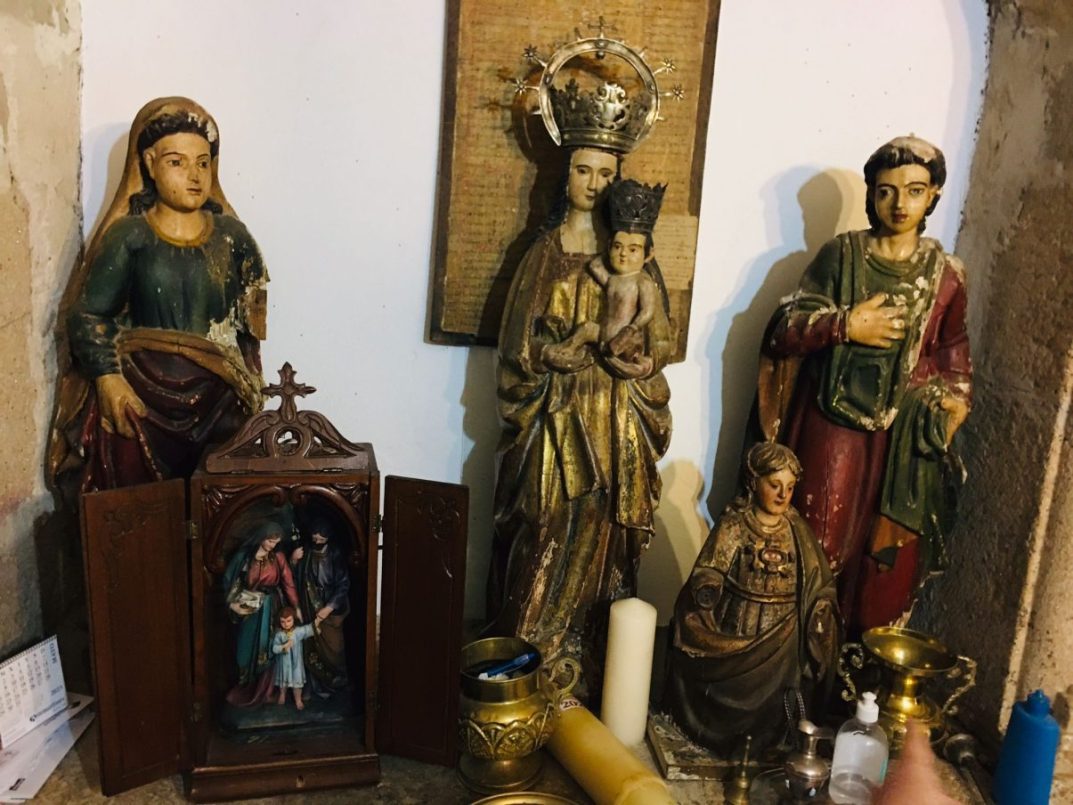
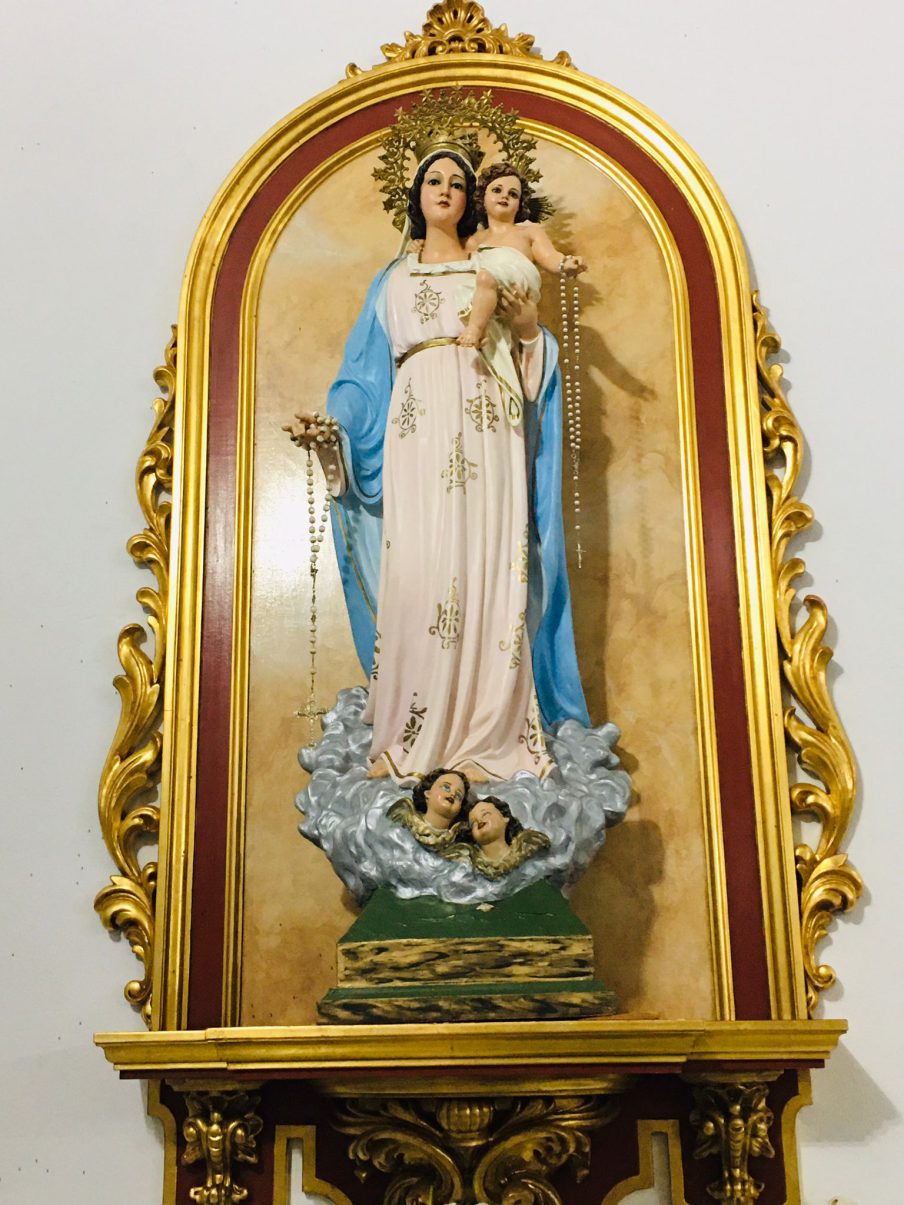
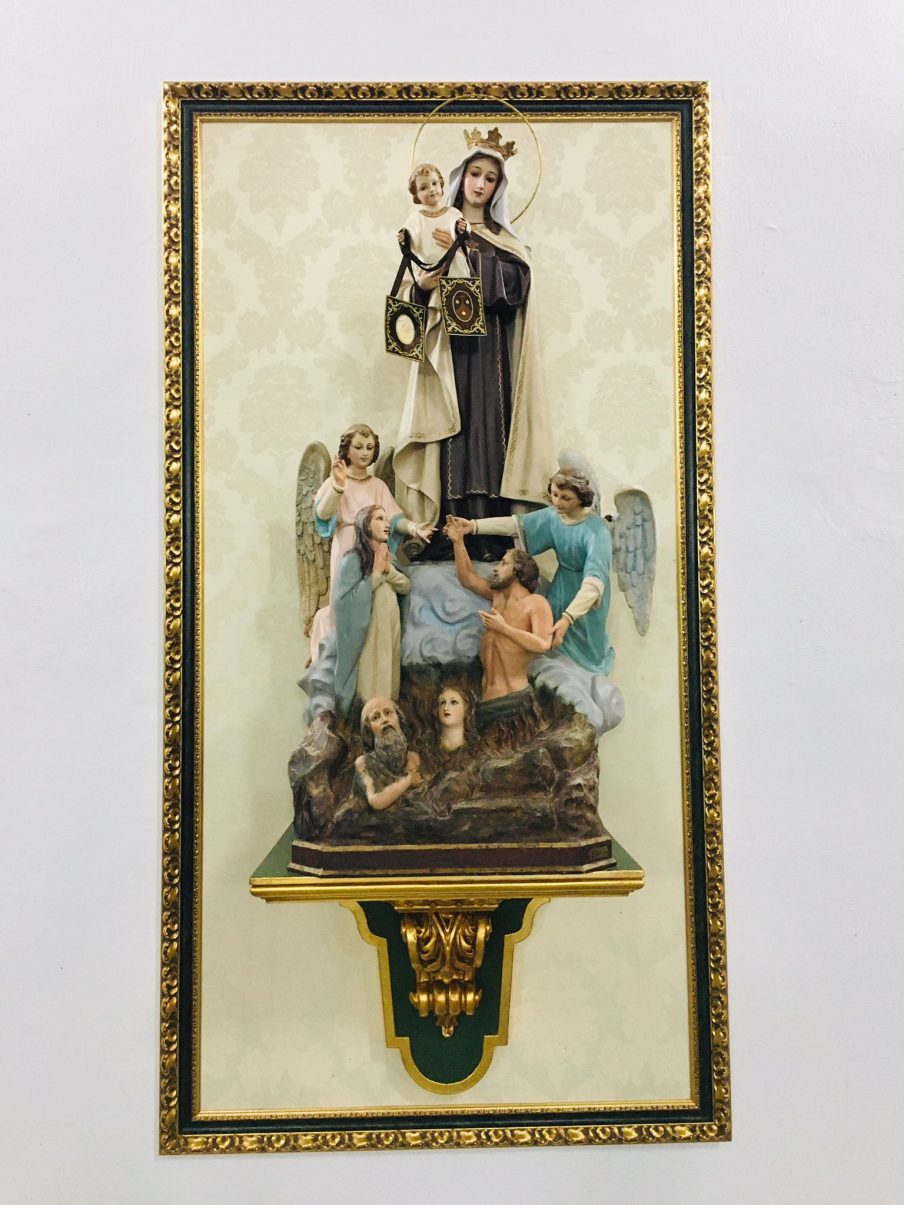
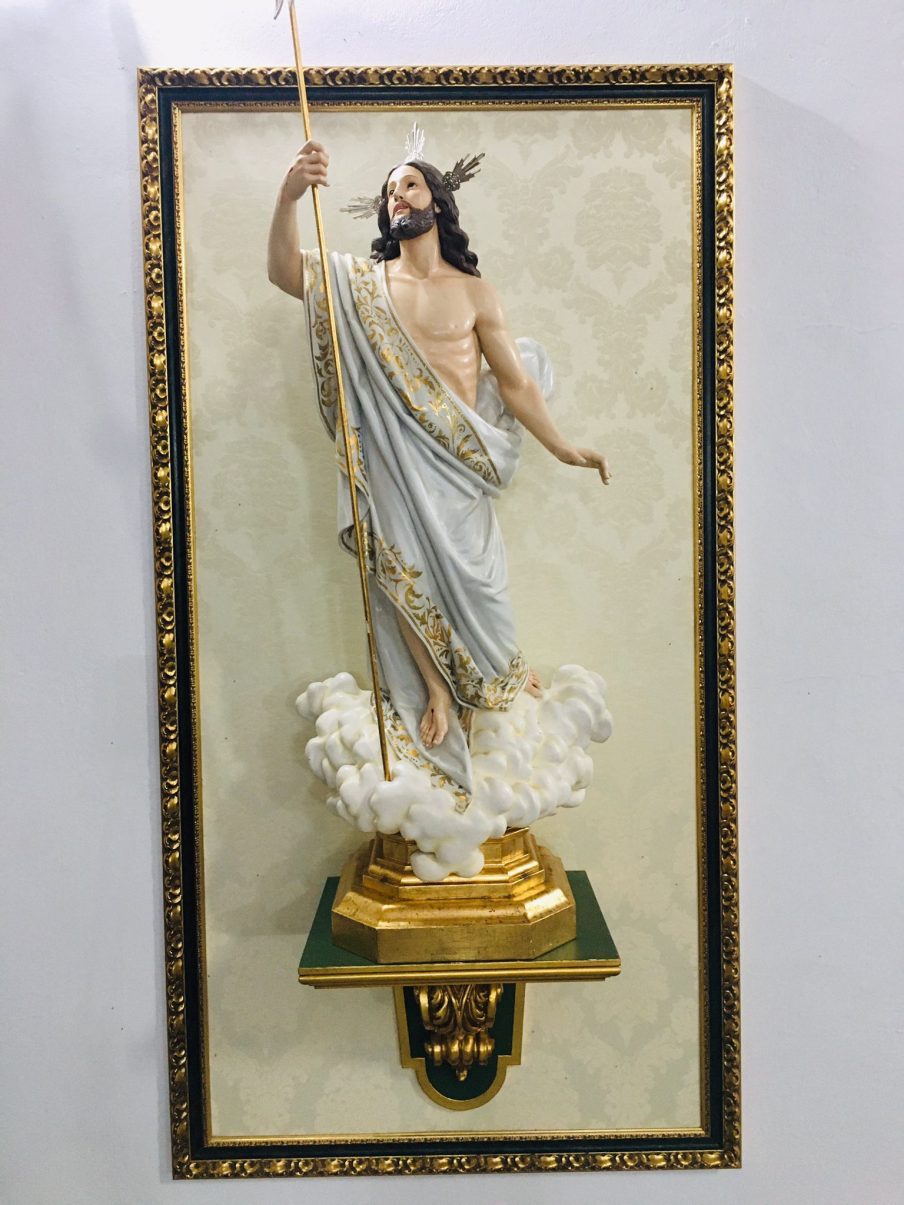
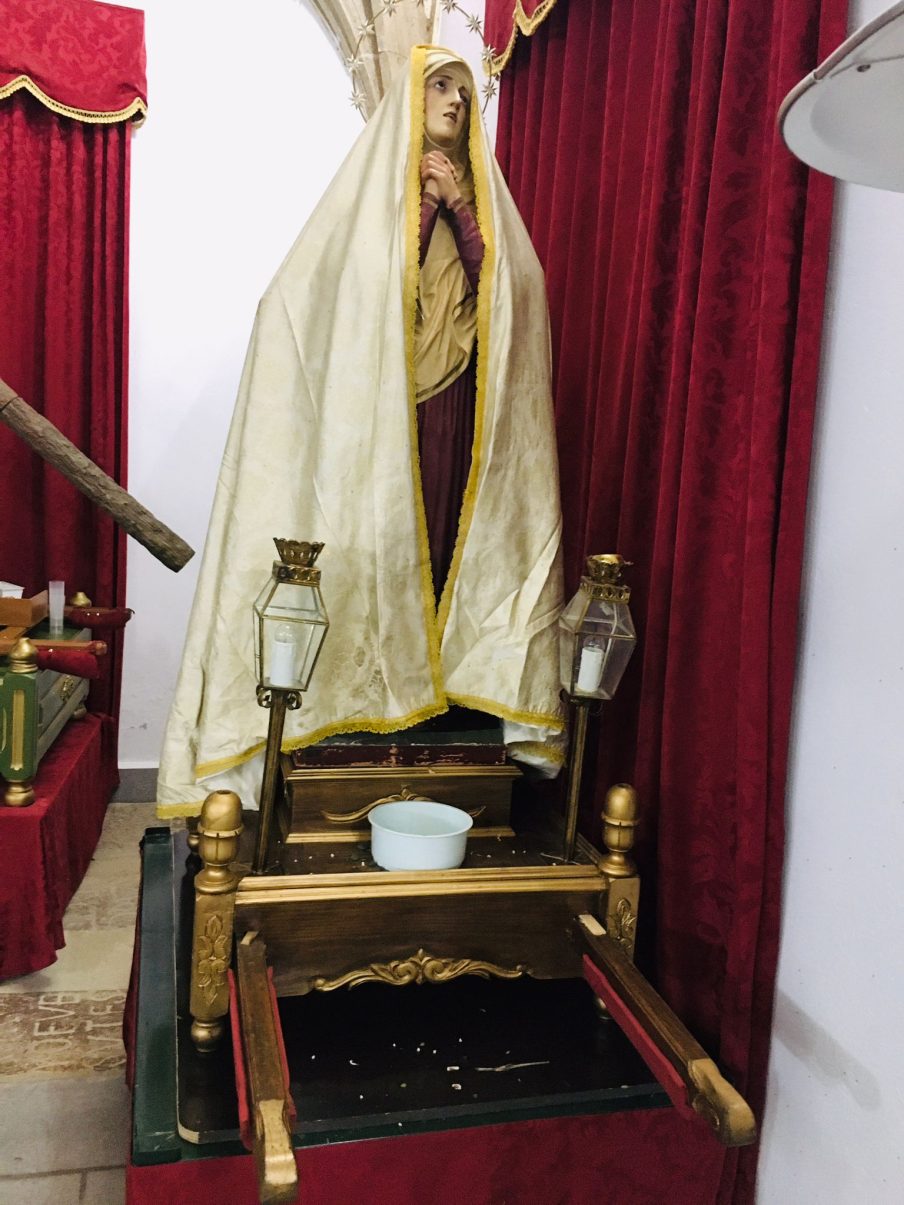
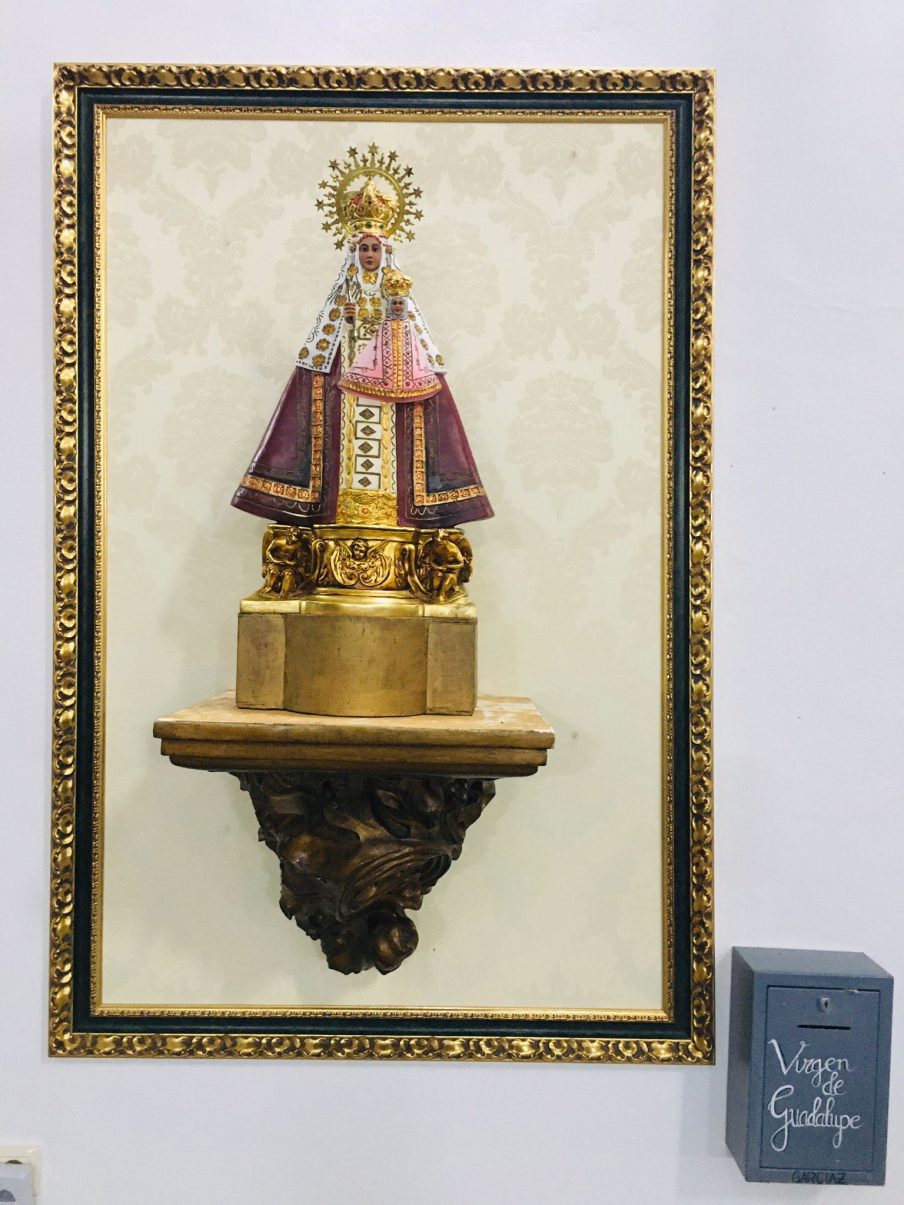
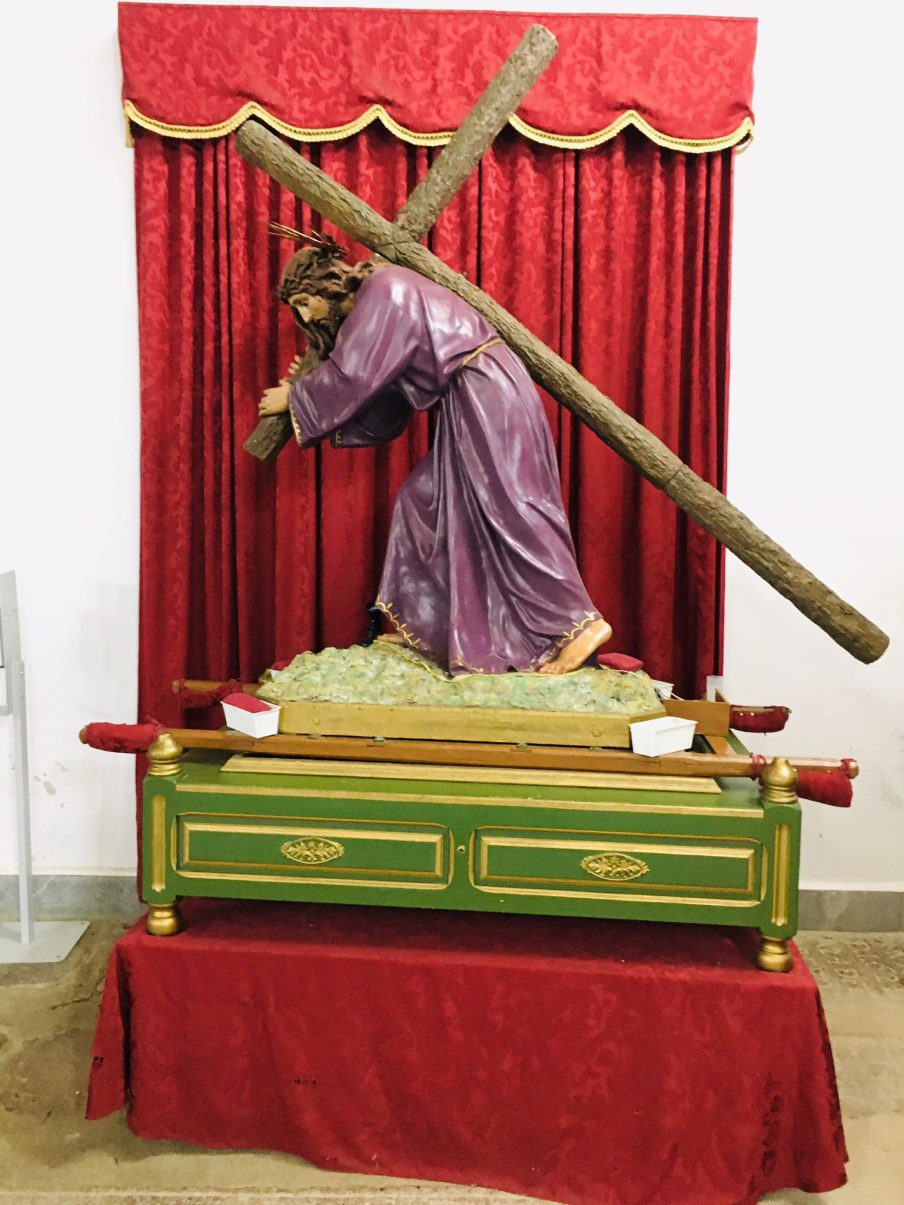
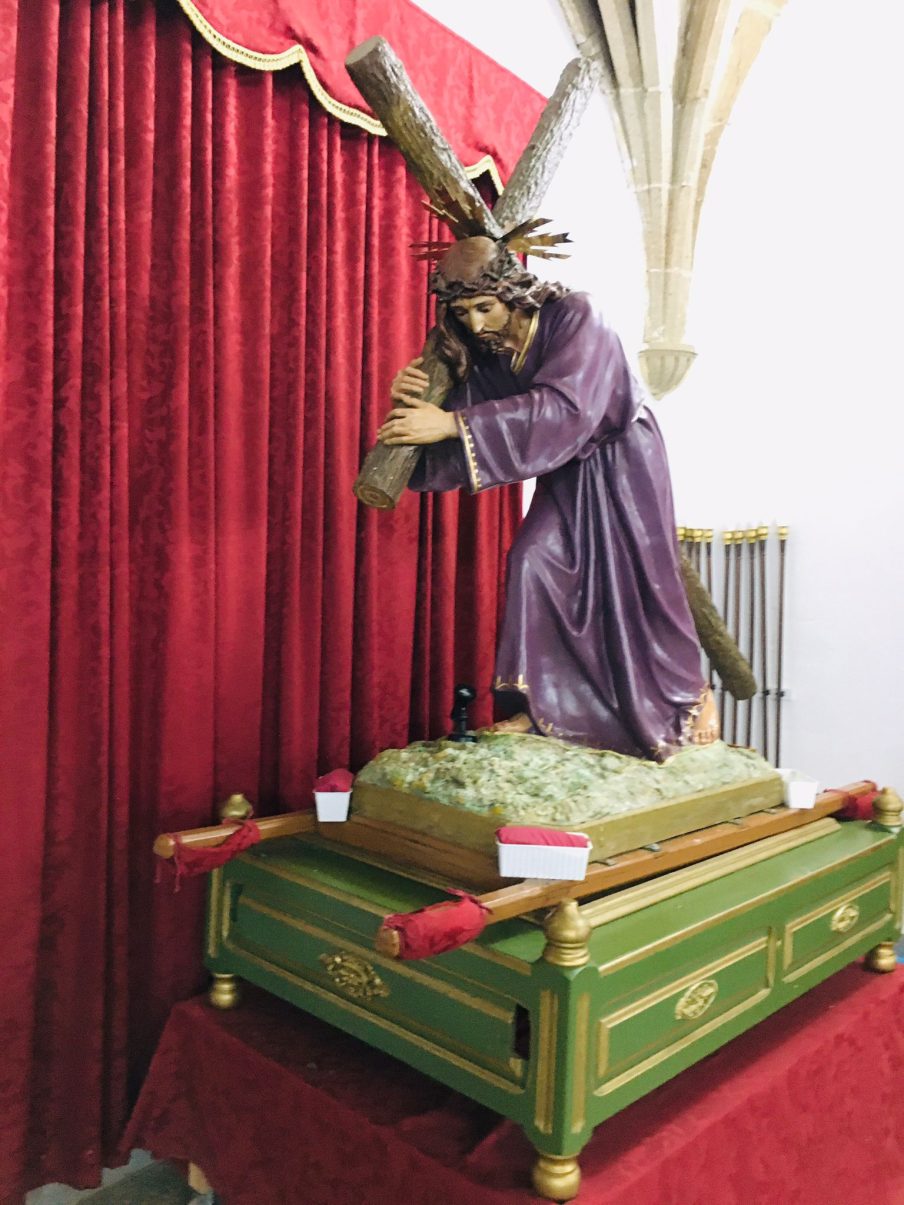
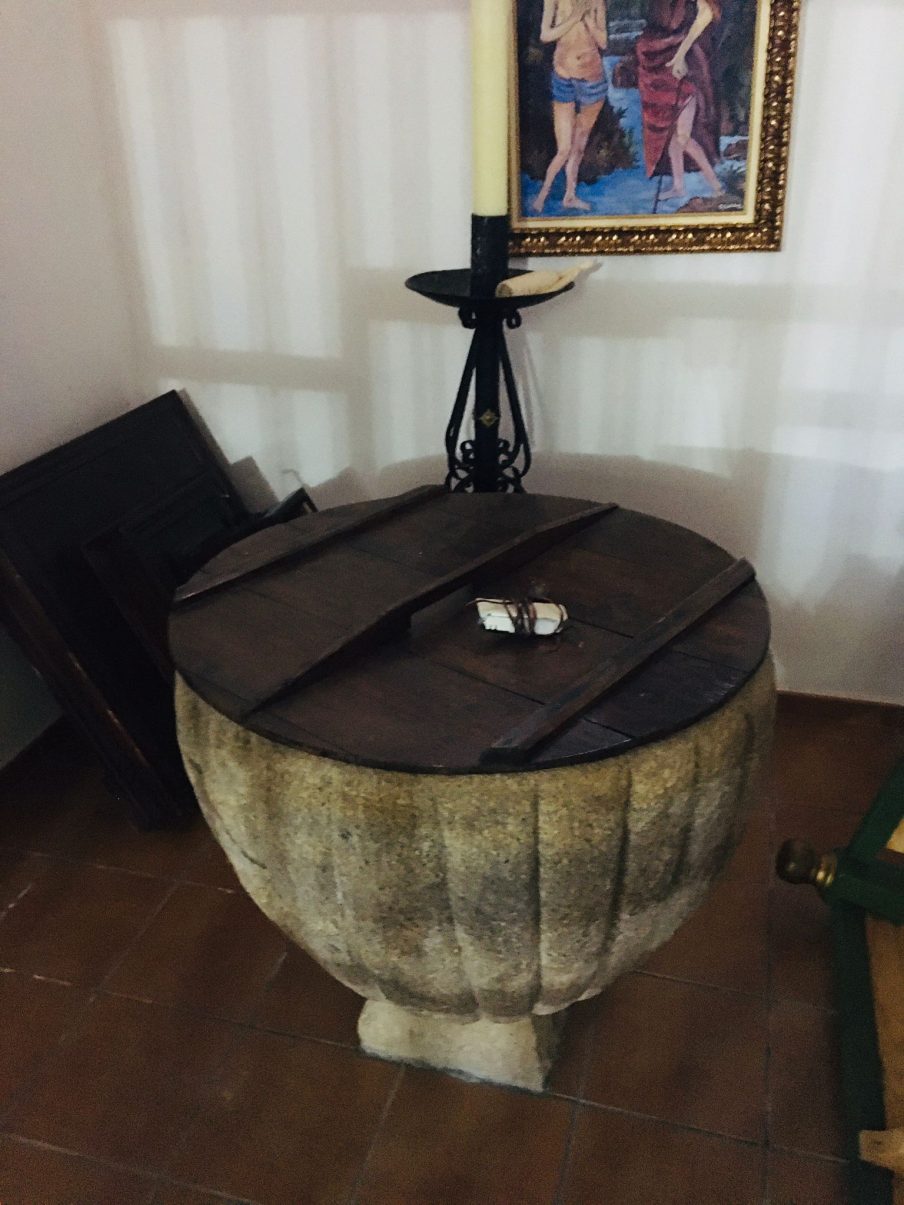
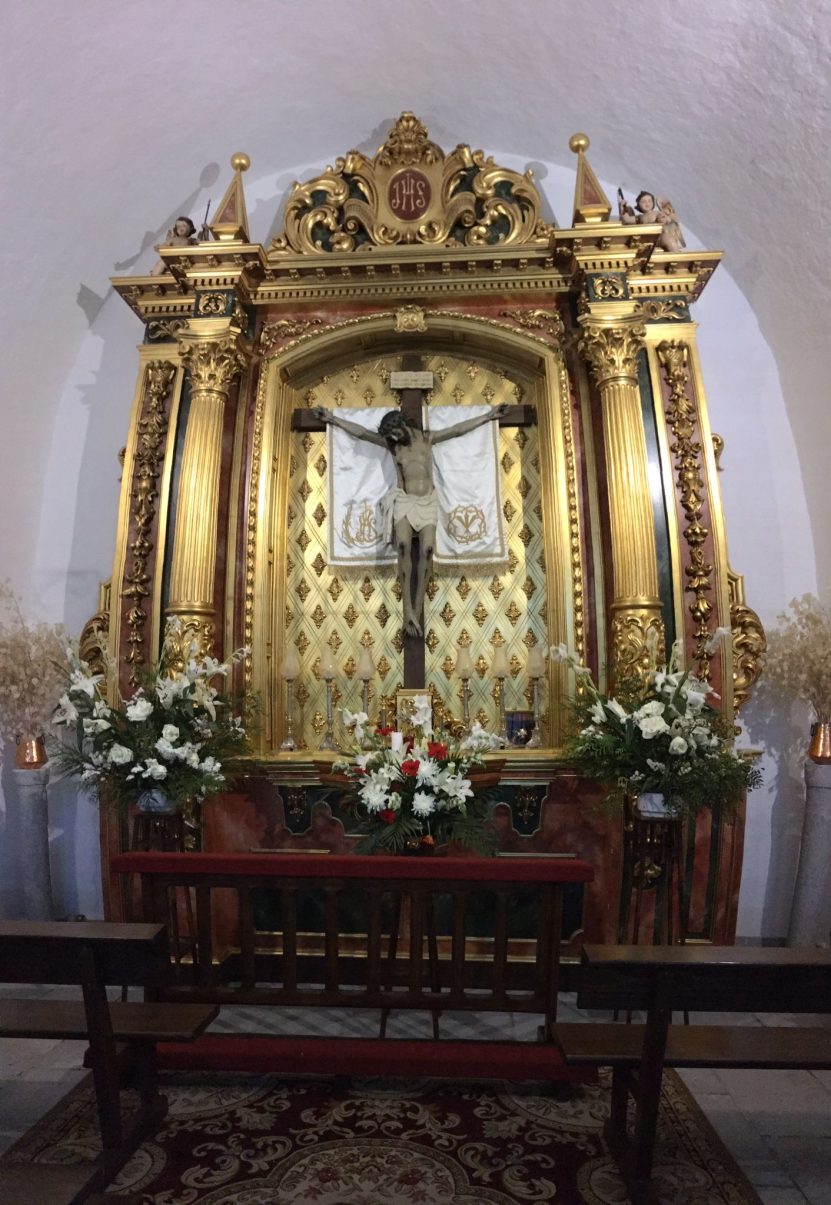
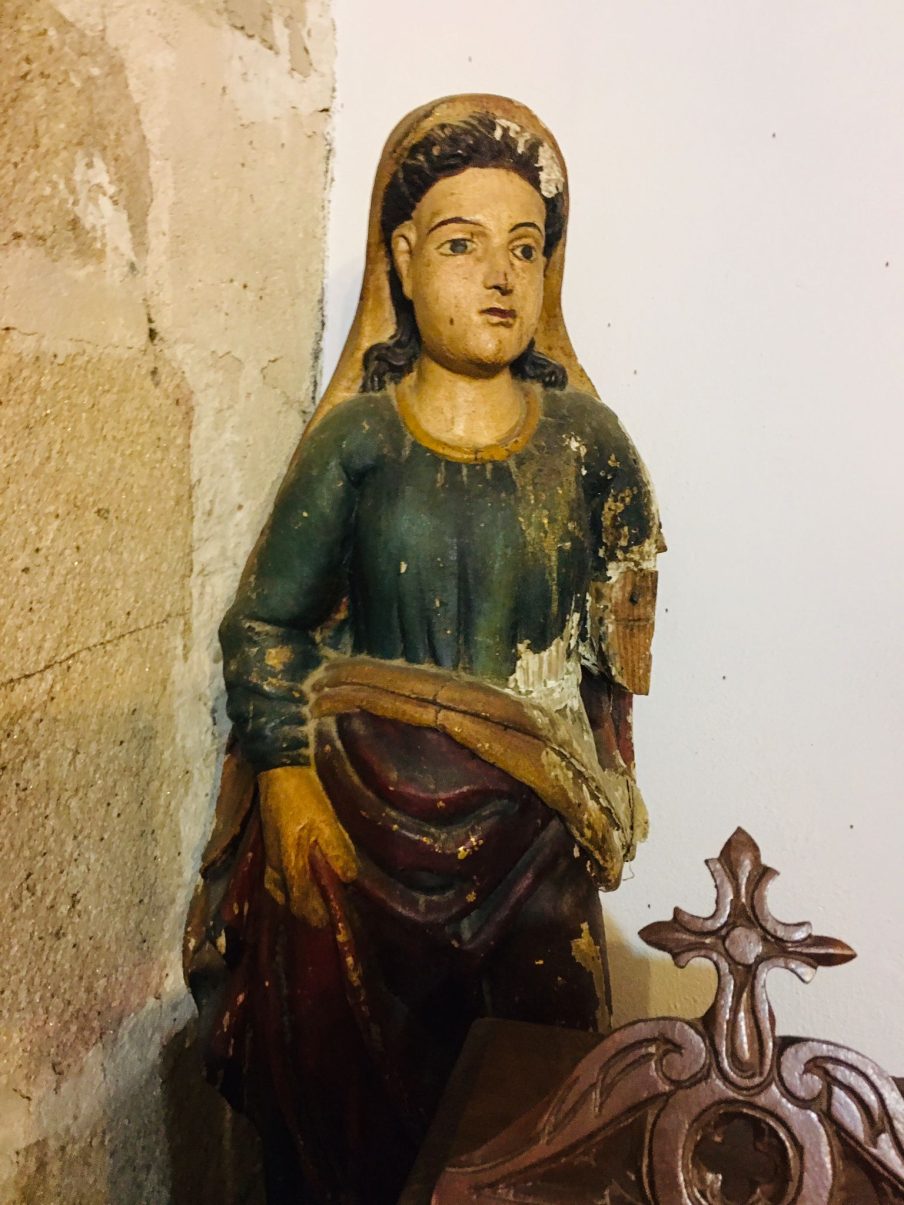
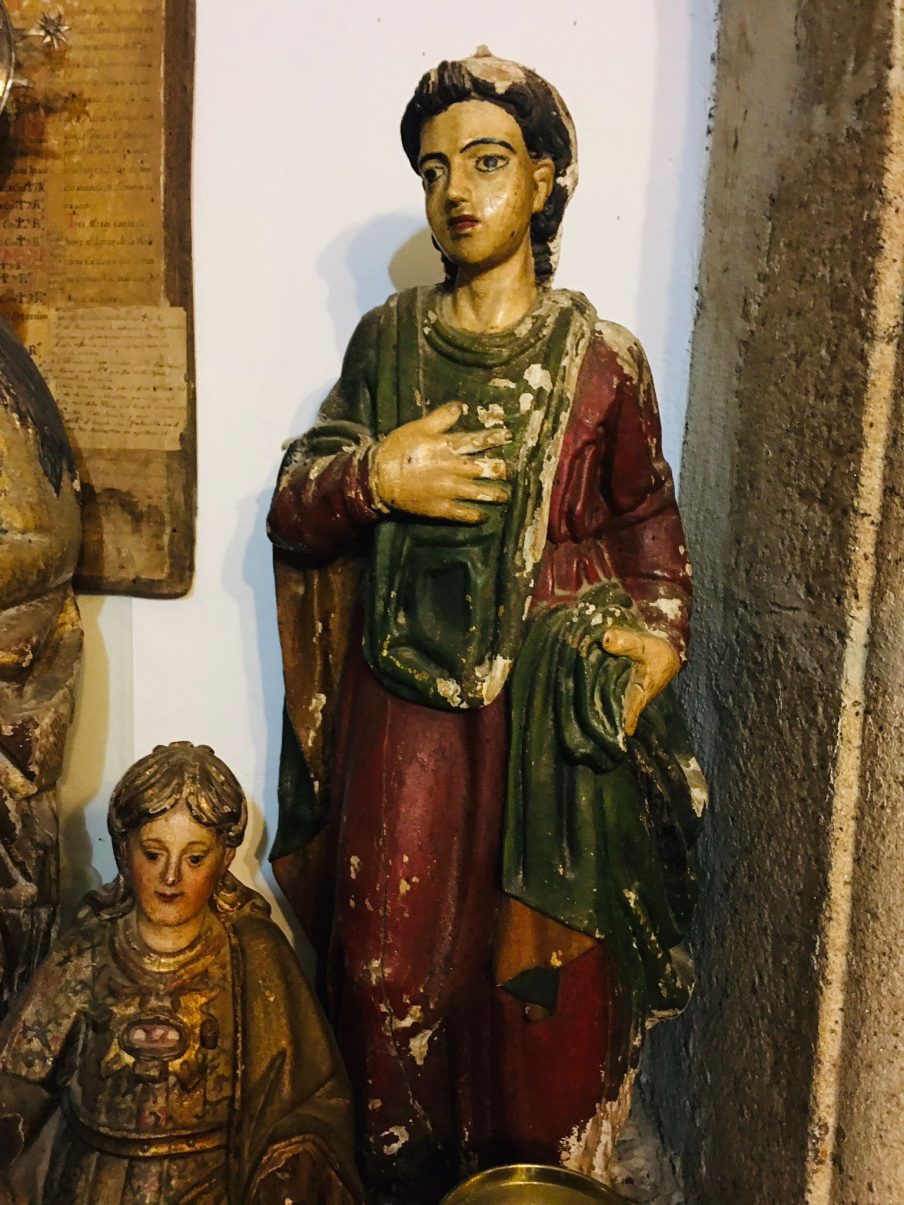
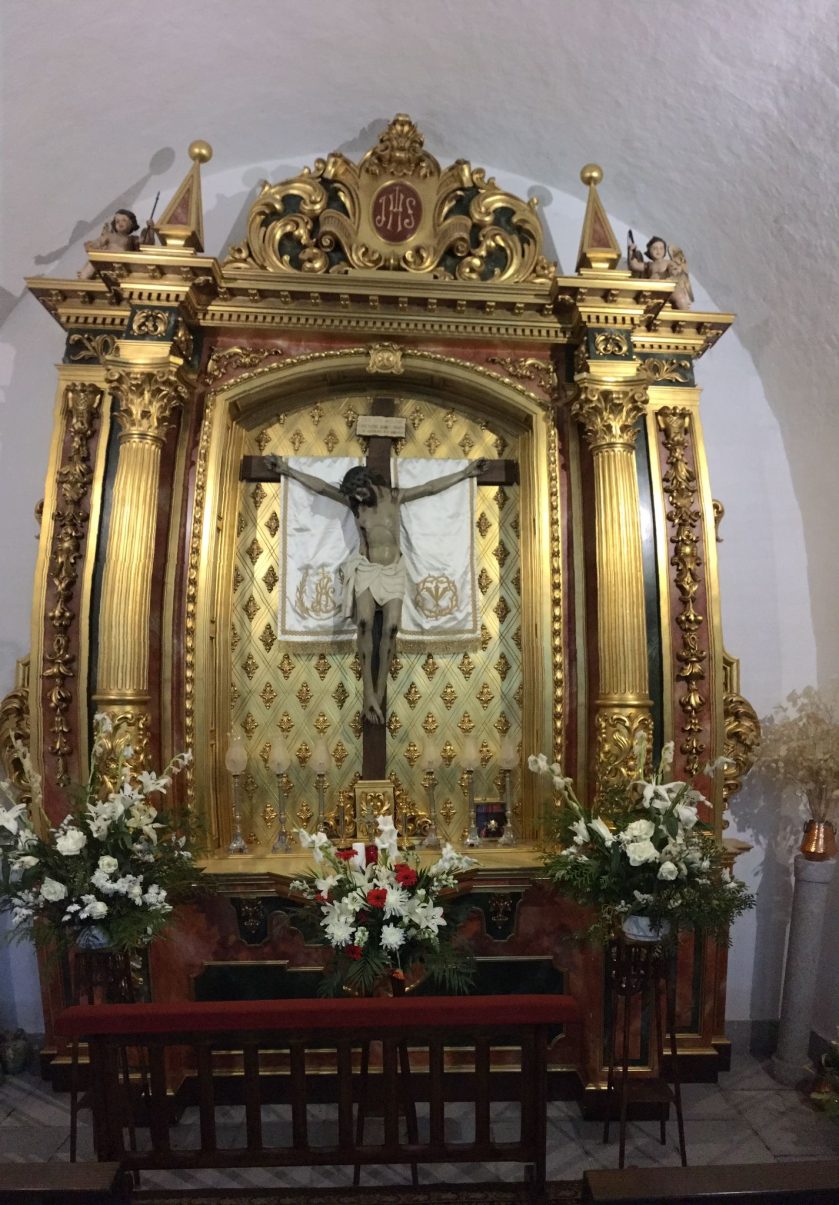
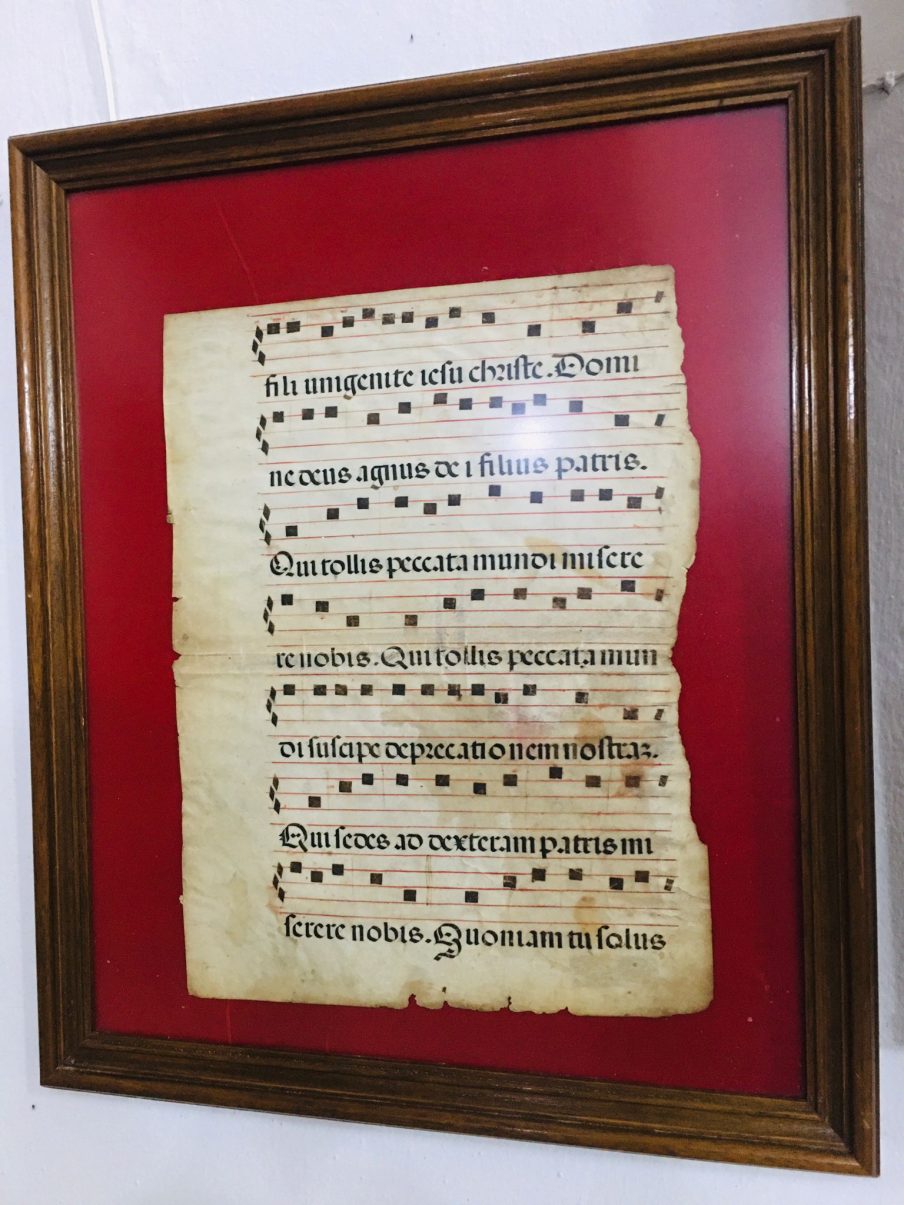
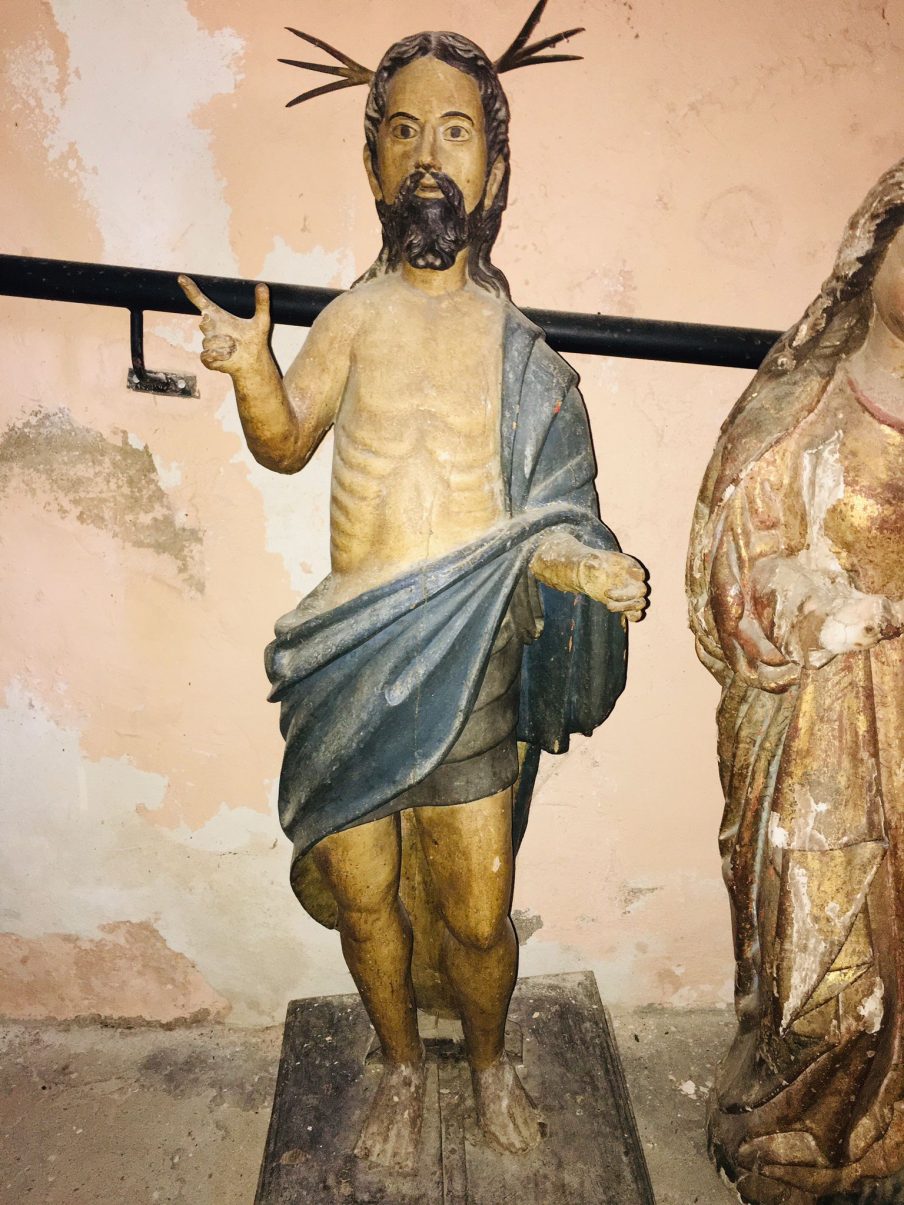
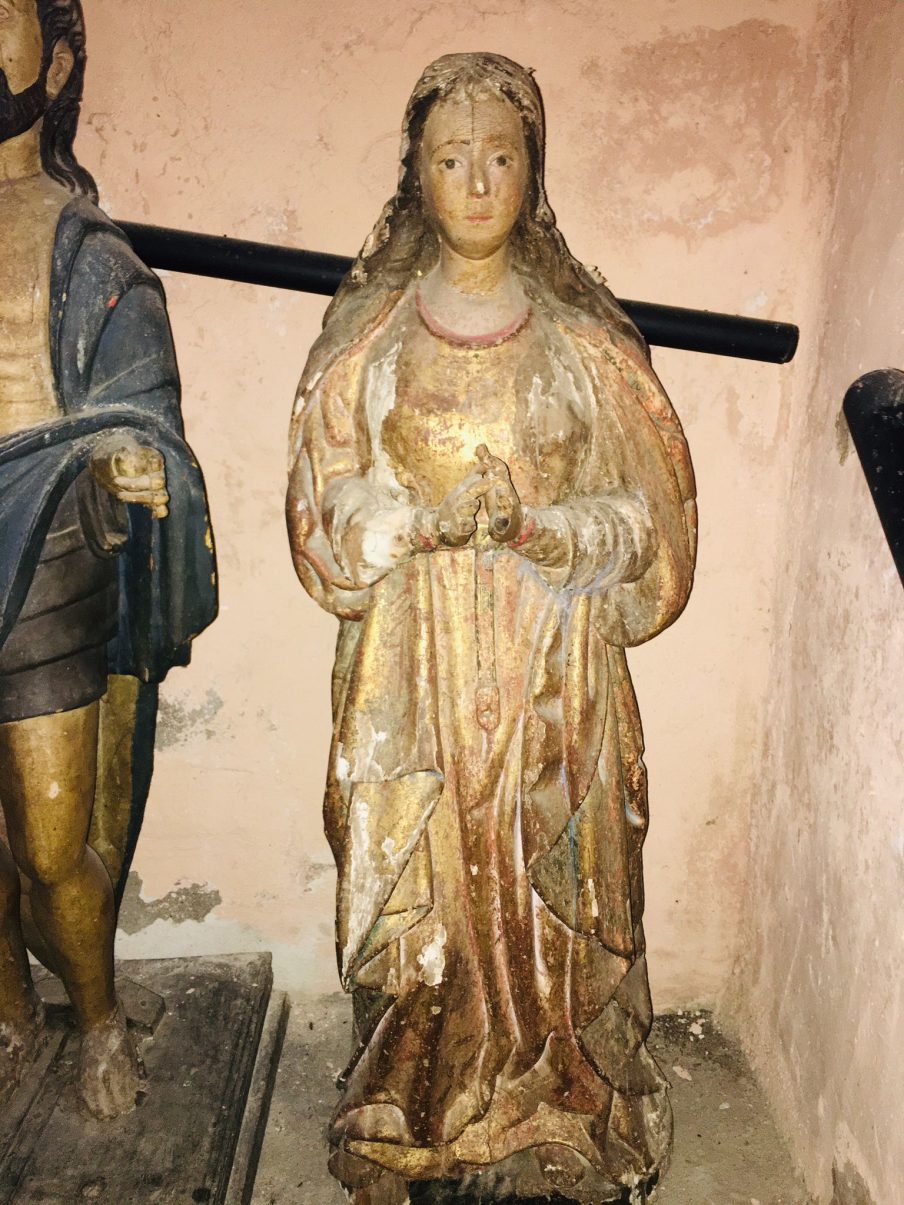
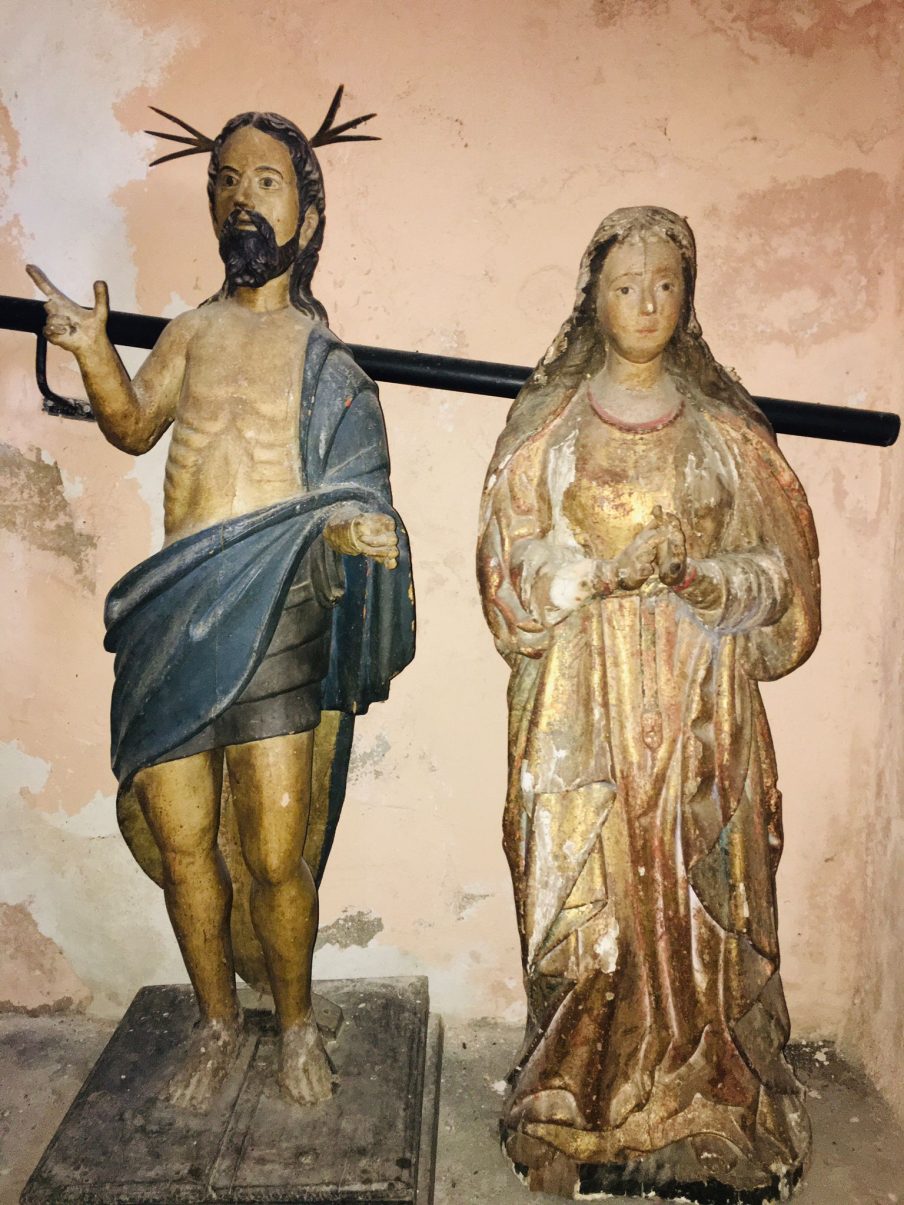
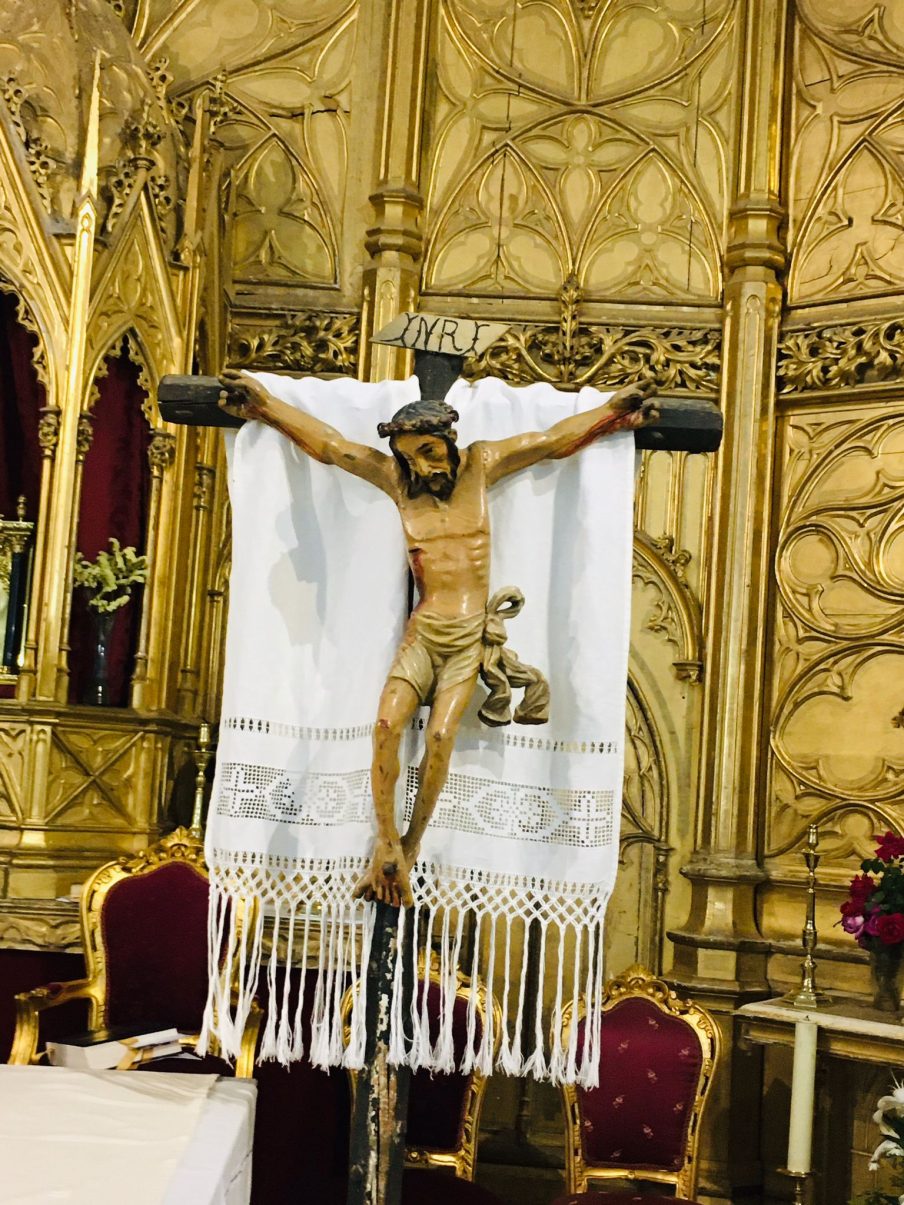
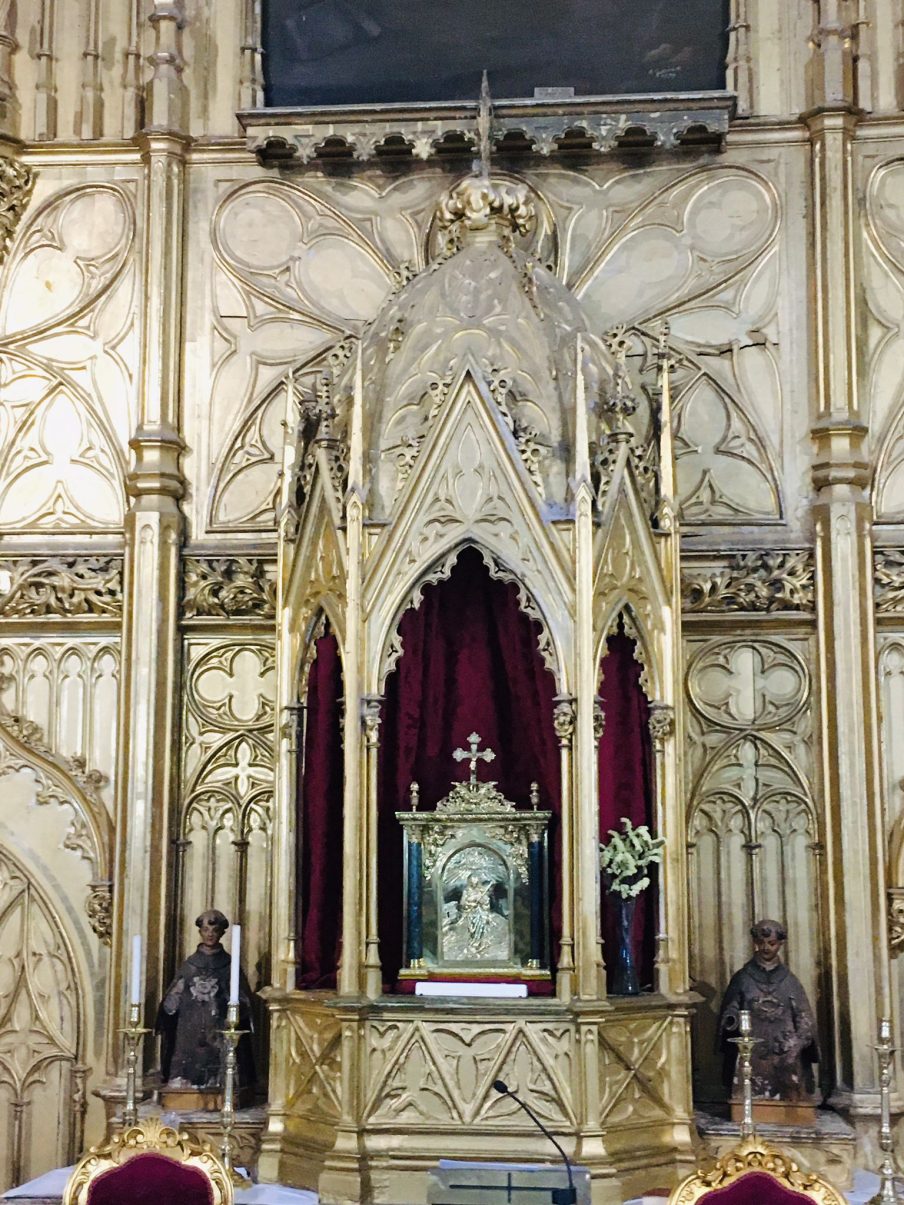
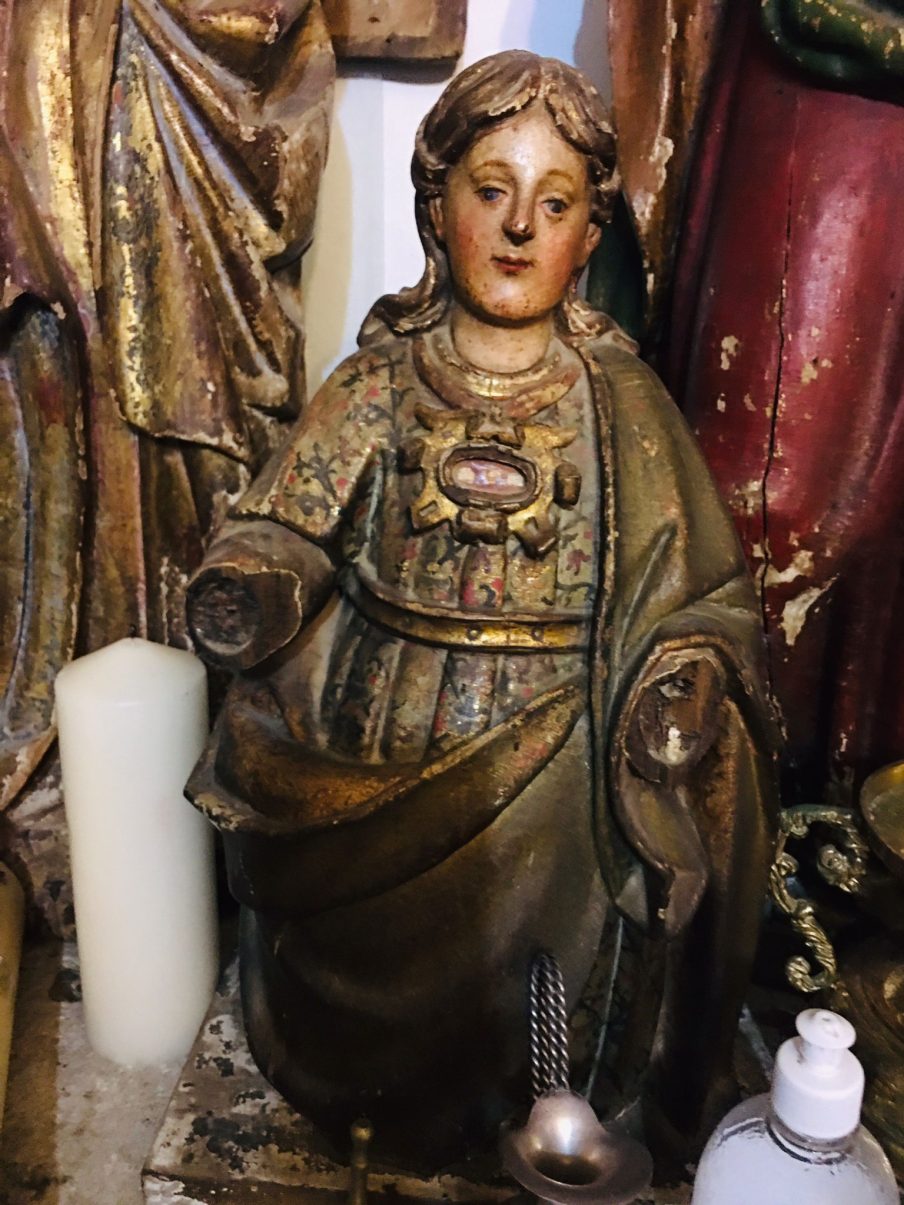
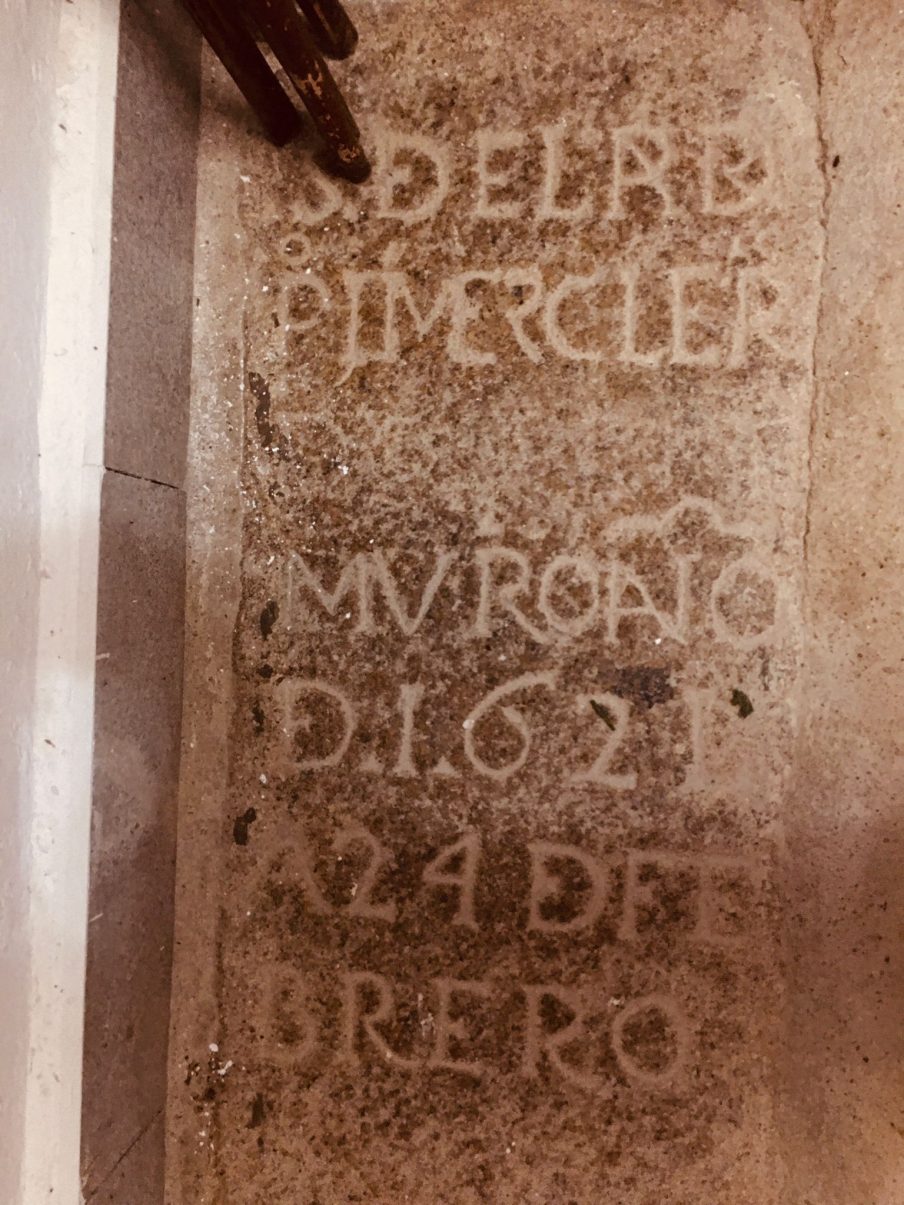
In its interior it keeps beautiful altarpieces, interesting sculptures, magnificent tiles and a collection of very interesting reliquaries. The image of the Virgin of Charity is a good carving of the fifteenth century, the crown and chalice was sent by a garcieño from America in 1629. It has an important intervention with works in the sixteenth century, although there are also some later arrangements.
It is a must visit if you want to know one of the historical and artistic treasures of Extremadura. This church is the result of several centuries of construction and renovations, reflecting the evolution from Gothic to Renaissance and Baroque styles. Its origins may date back to the 14th century.
The church of Santiago Apostle is located in the center of Garciaz. The town was a place of royalty dependent on the vicariate of Trujillo in the ecclesiastical, and bought in 1566 its privilege of villazgo during the reign of Philip II.
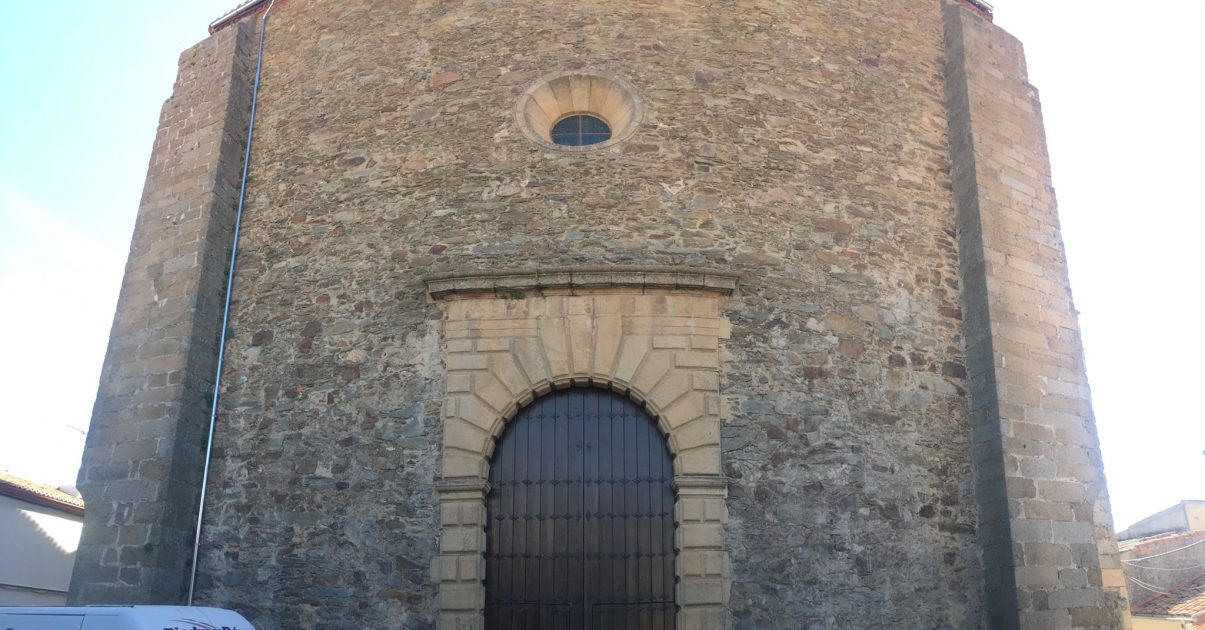
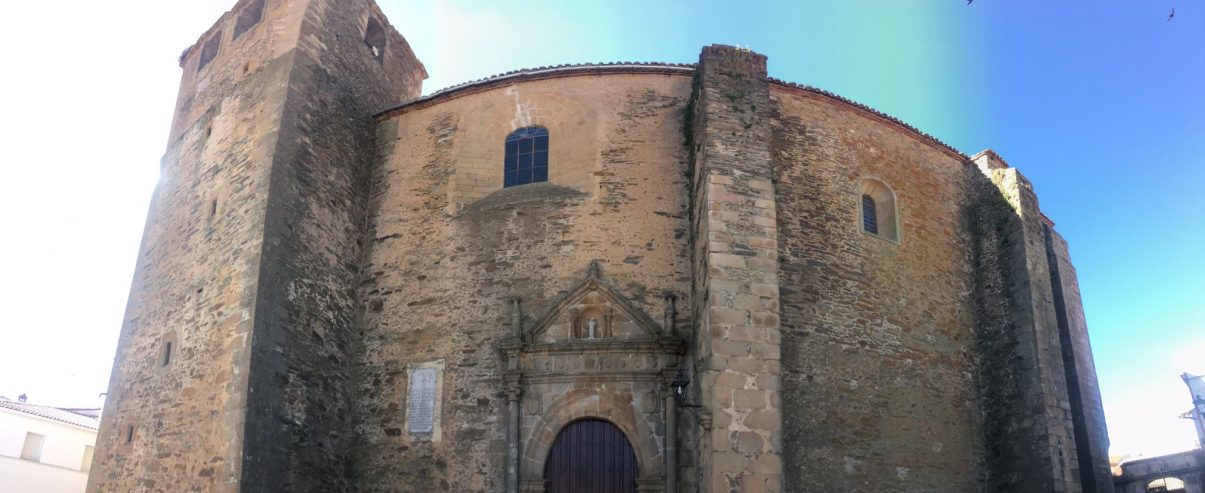
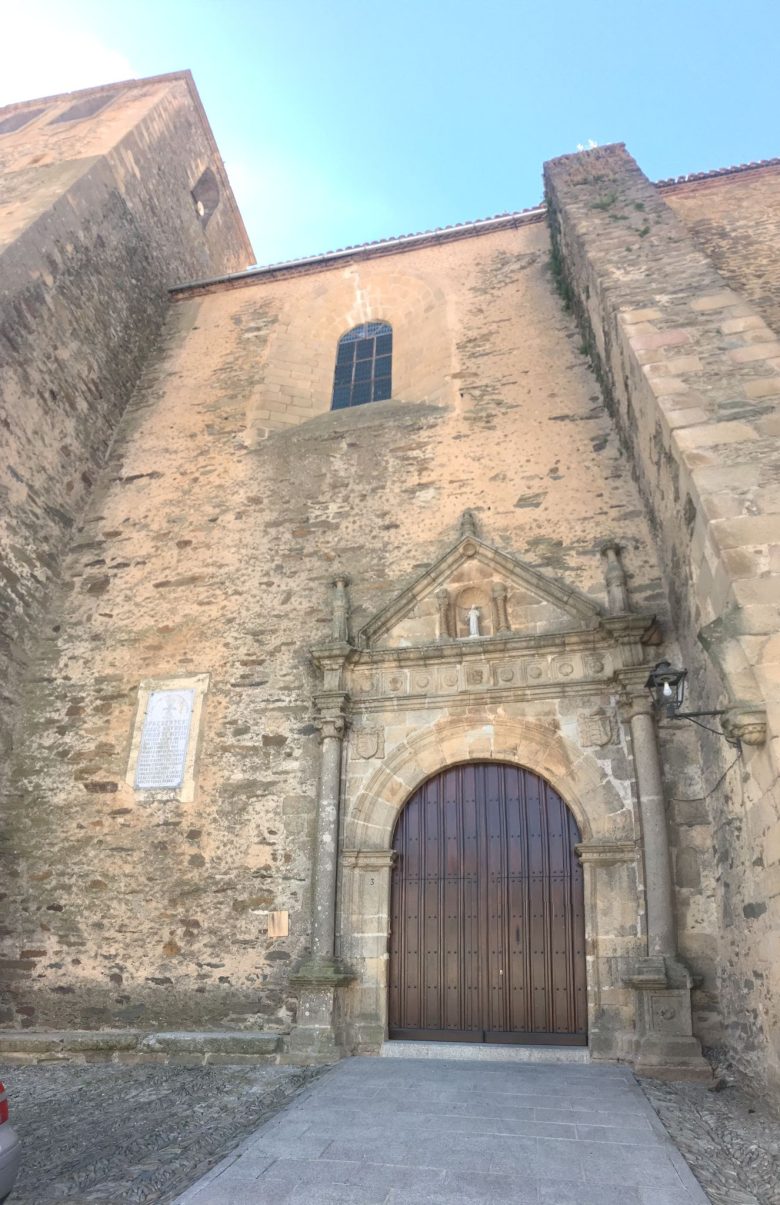
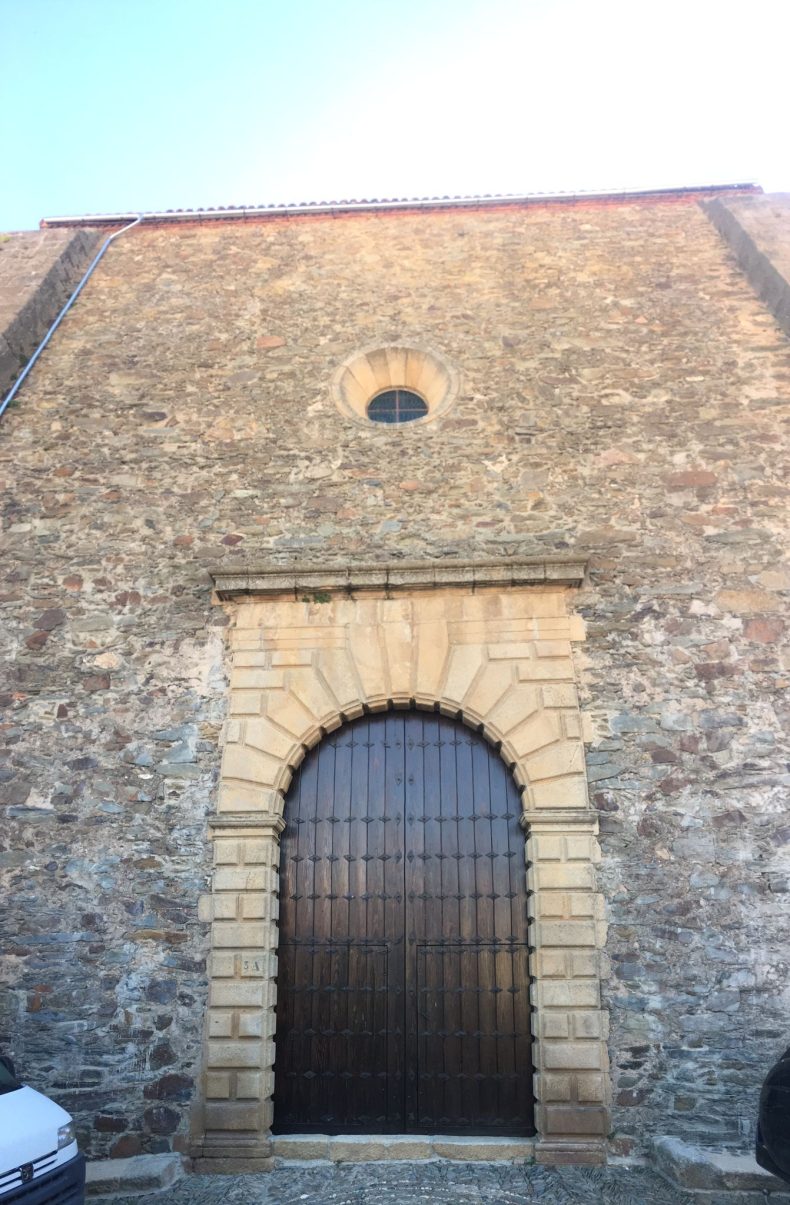
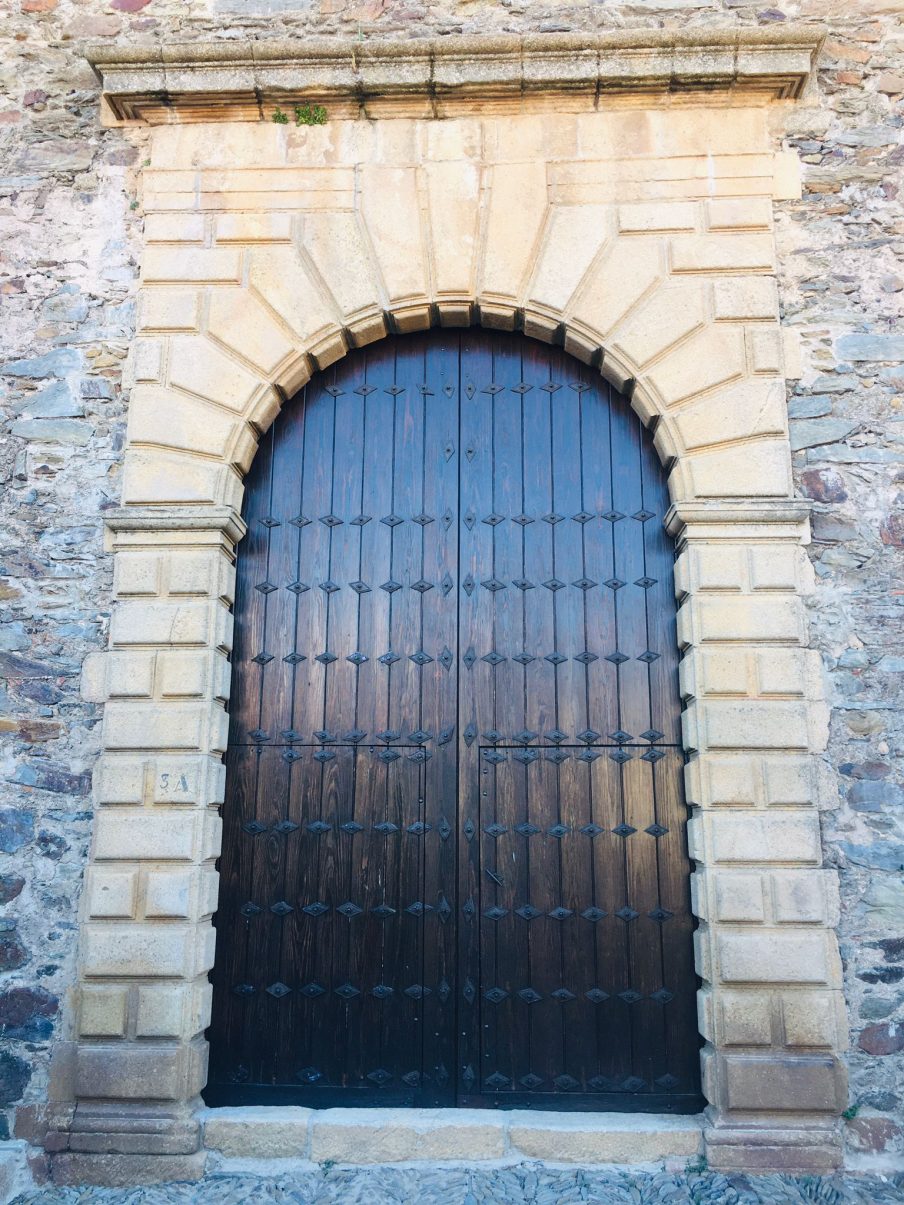
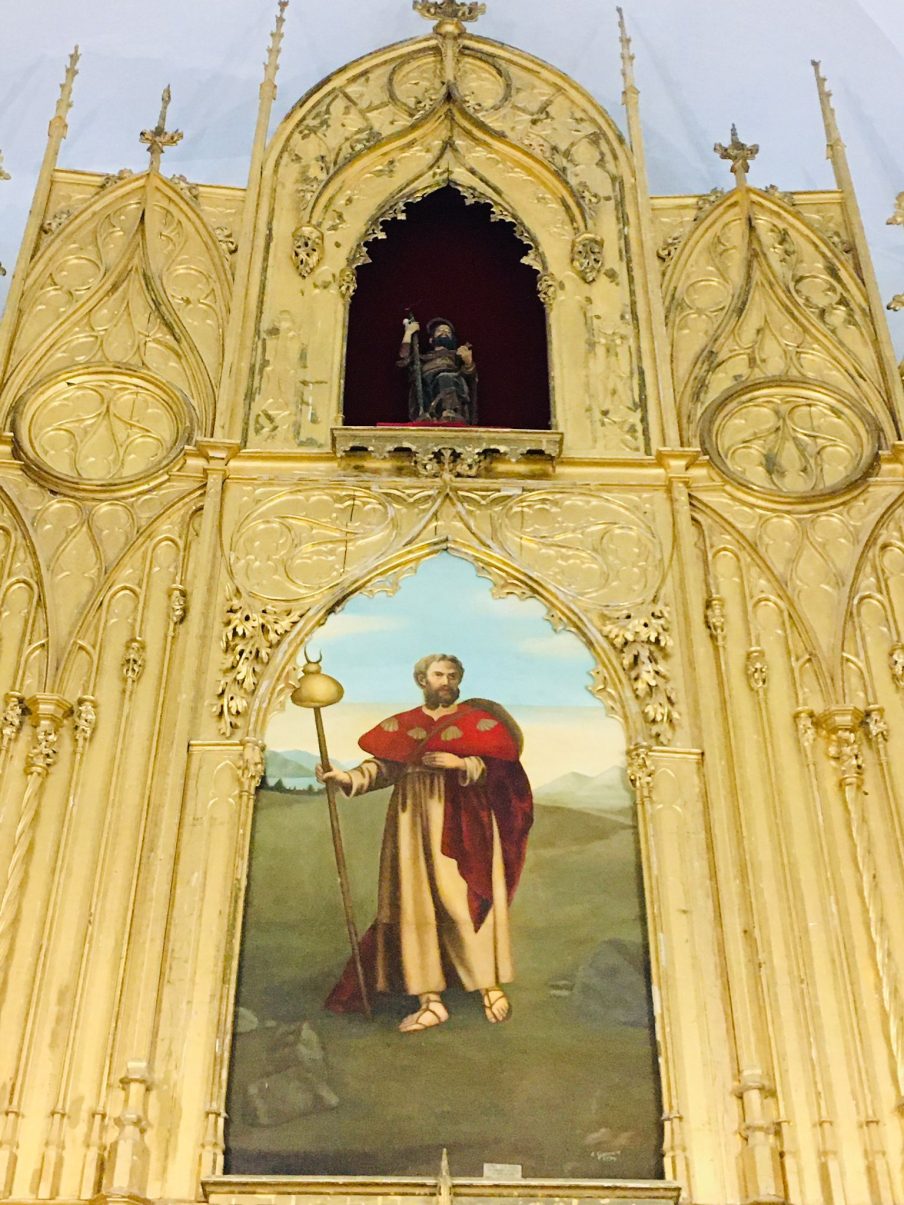
The church stands on an elevation that dominates the landscape and gives it an imposing, fortress-like appearance. The temple is made of masonry and slate, with granite ashlar masonry in the corners, buttresses and window frames. It has three access portals, two lateral and one at the foot, all of them with semicircular arches and Renaissance decoration. The façade, which is currently the main one, is flanked by two Ionic columns and crowned by a triangular pediment containing an image of the apostle Santiago.
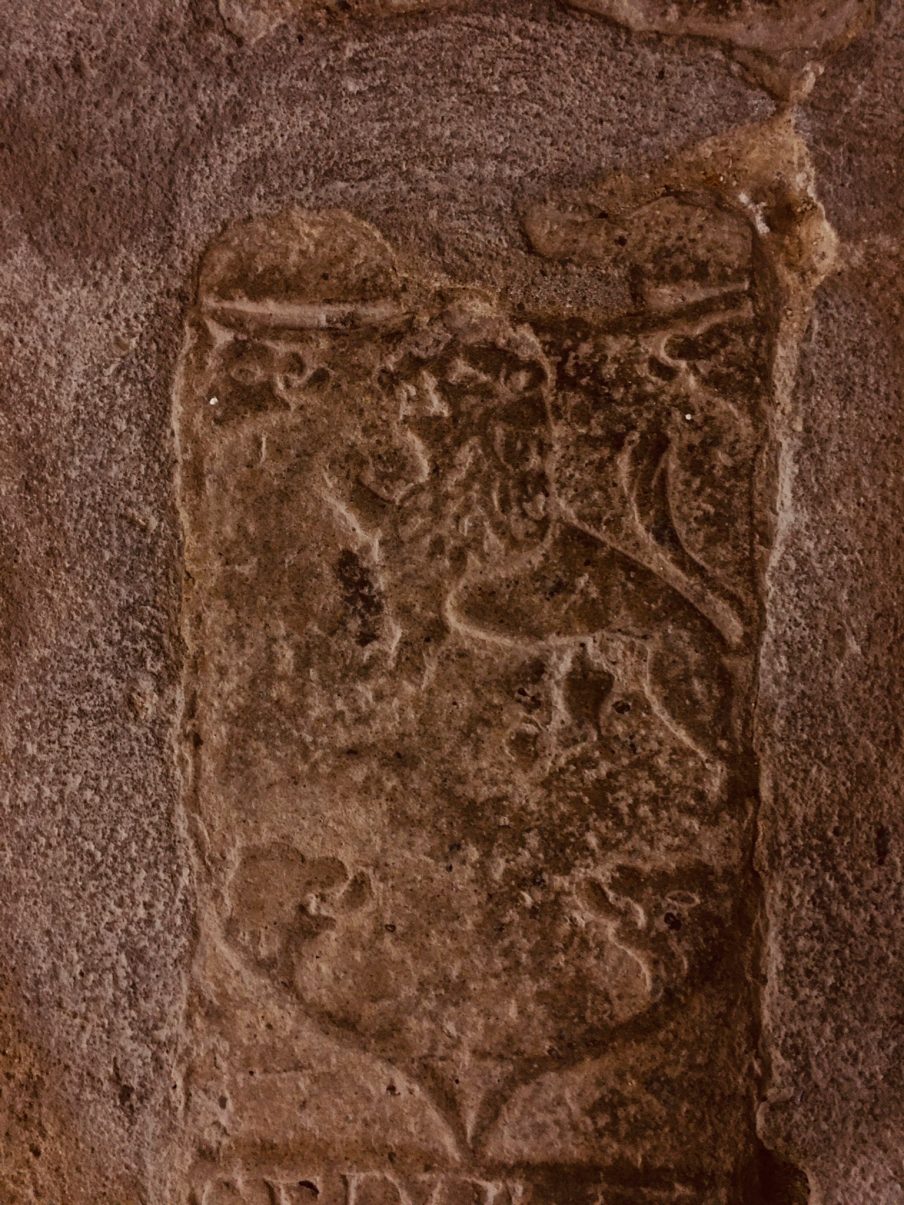
The bell tower is attached to the presbytery in the Gospel area, it is composed of four floors plus the sacristy and the bell tower, square in shape and covered with a barrel vault. It houses the coat of arms of Bishop Pedro Ponce de León, a clock and the openings of the bell tower, and is crowned with four pinnacles on each corner and a pyramidal top, topped with a conical brick dome. The dimensions of the old church and the growth of the 16th century are clearly visible, with the old bell tower cavities covered up.
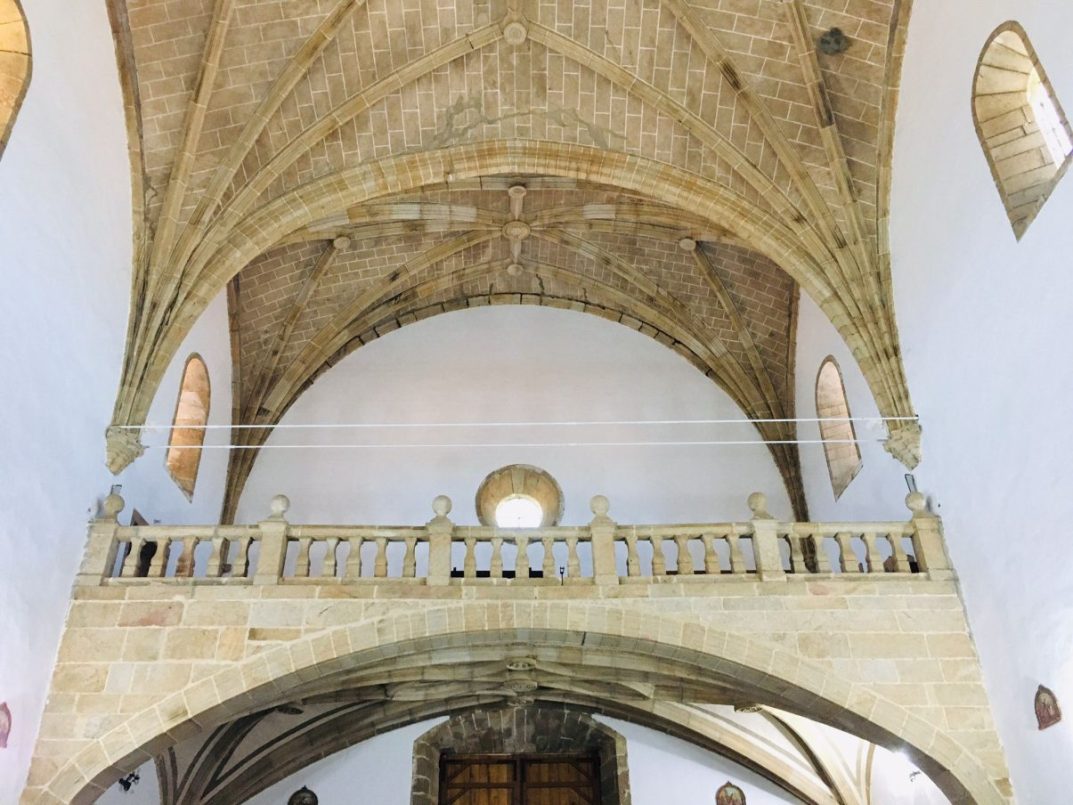
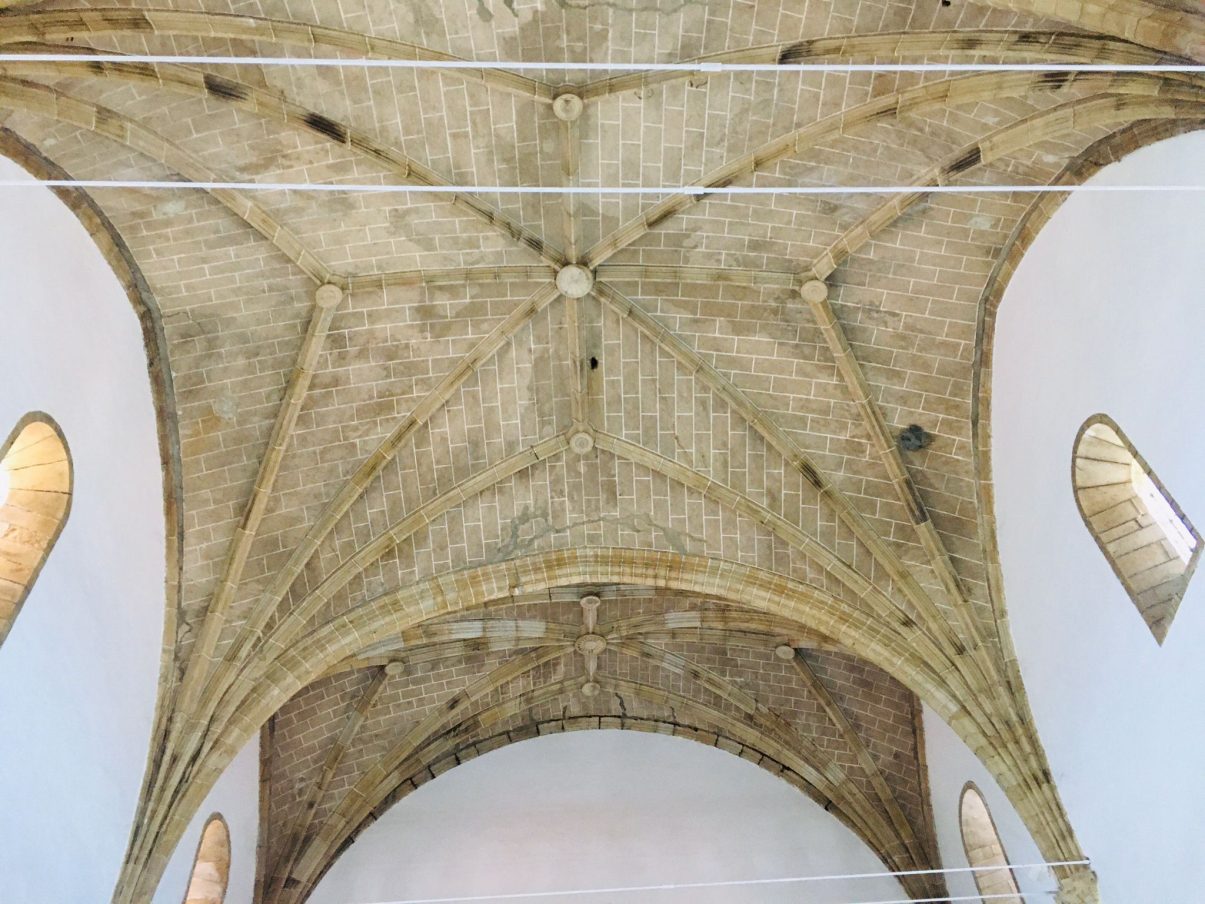
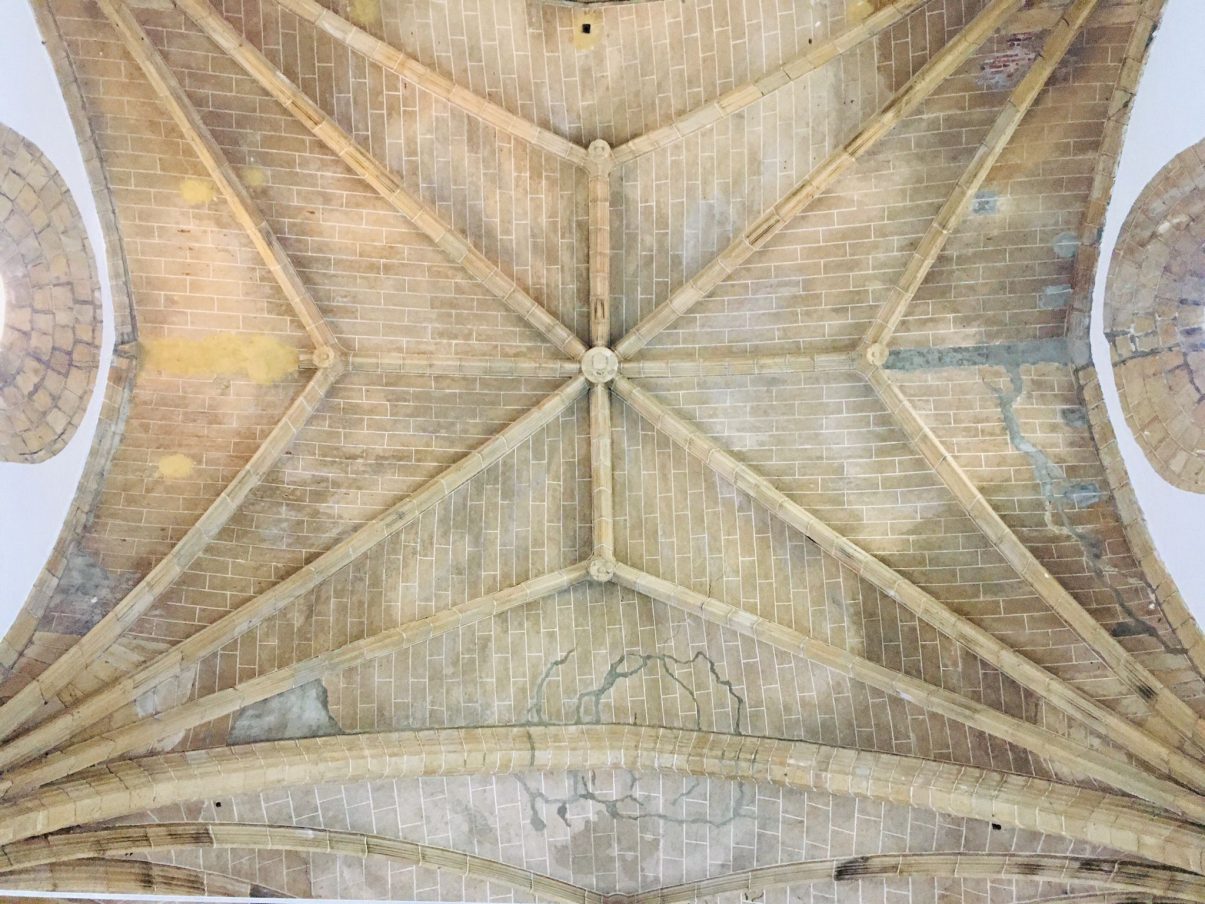
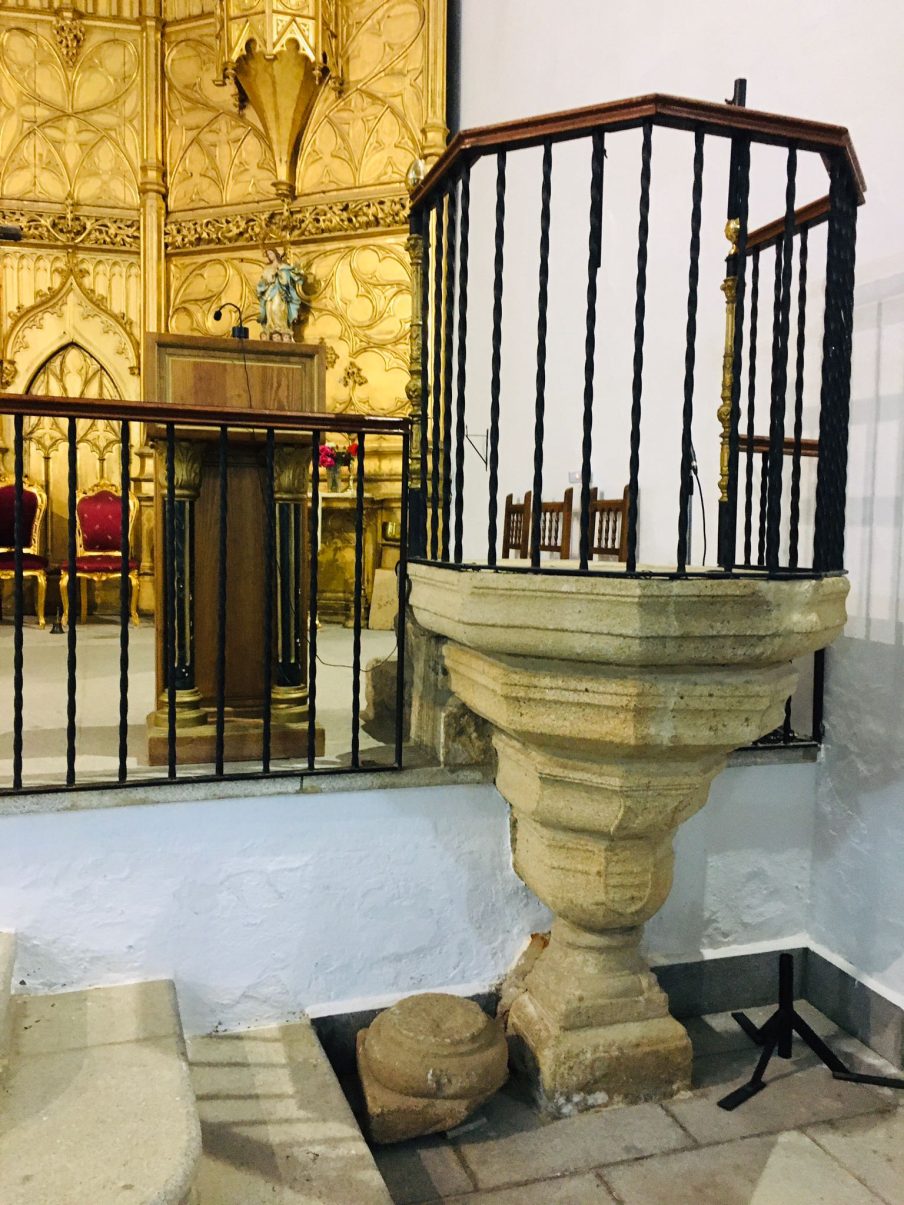
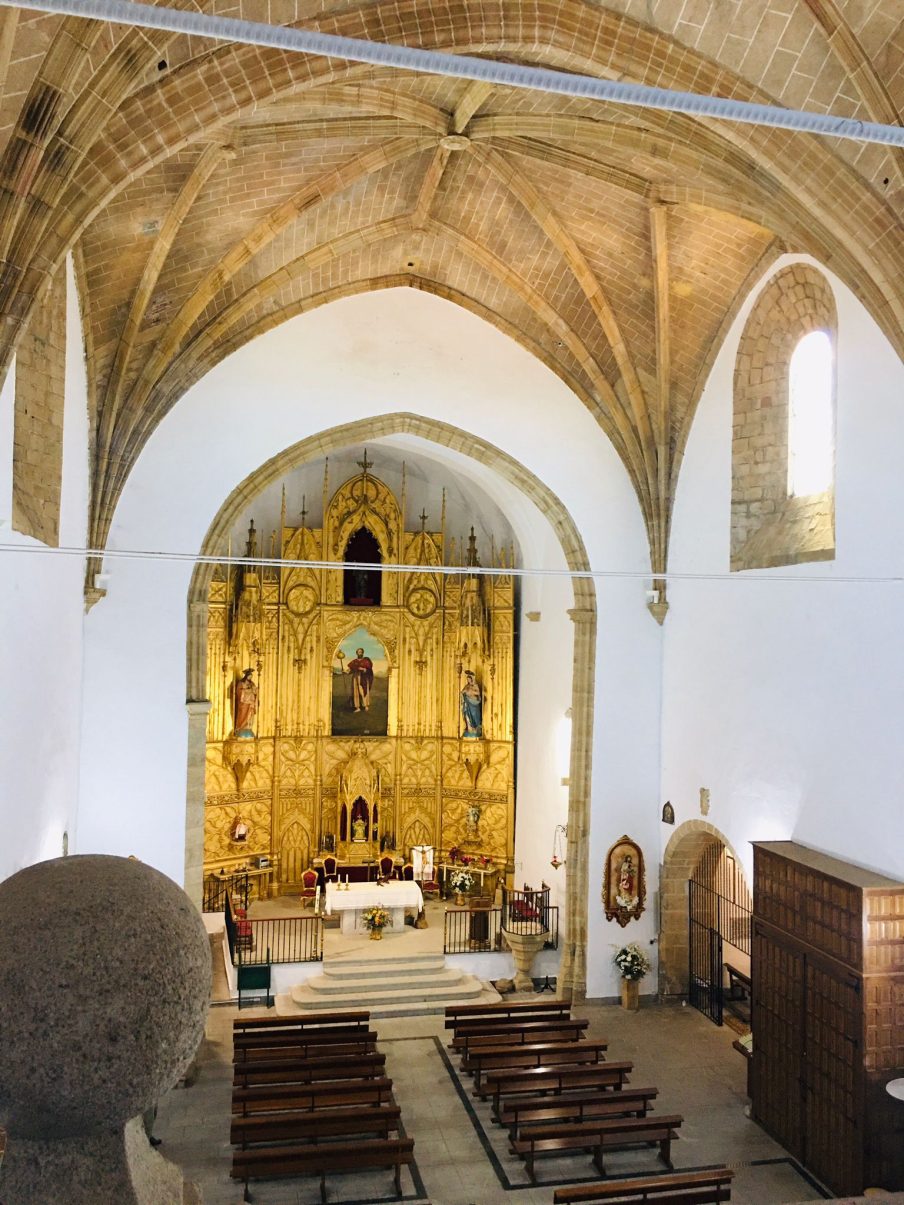
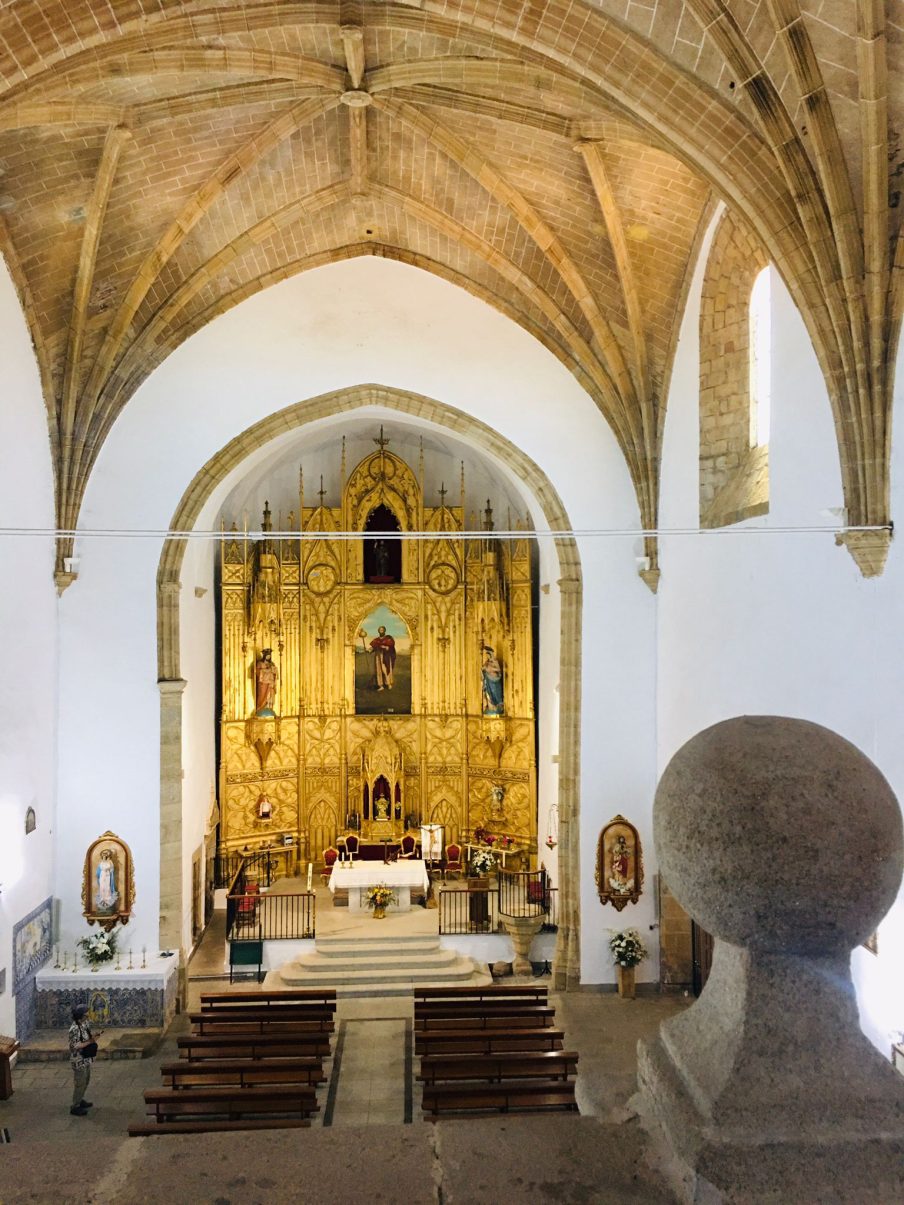
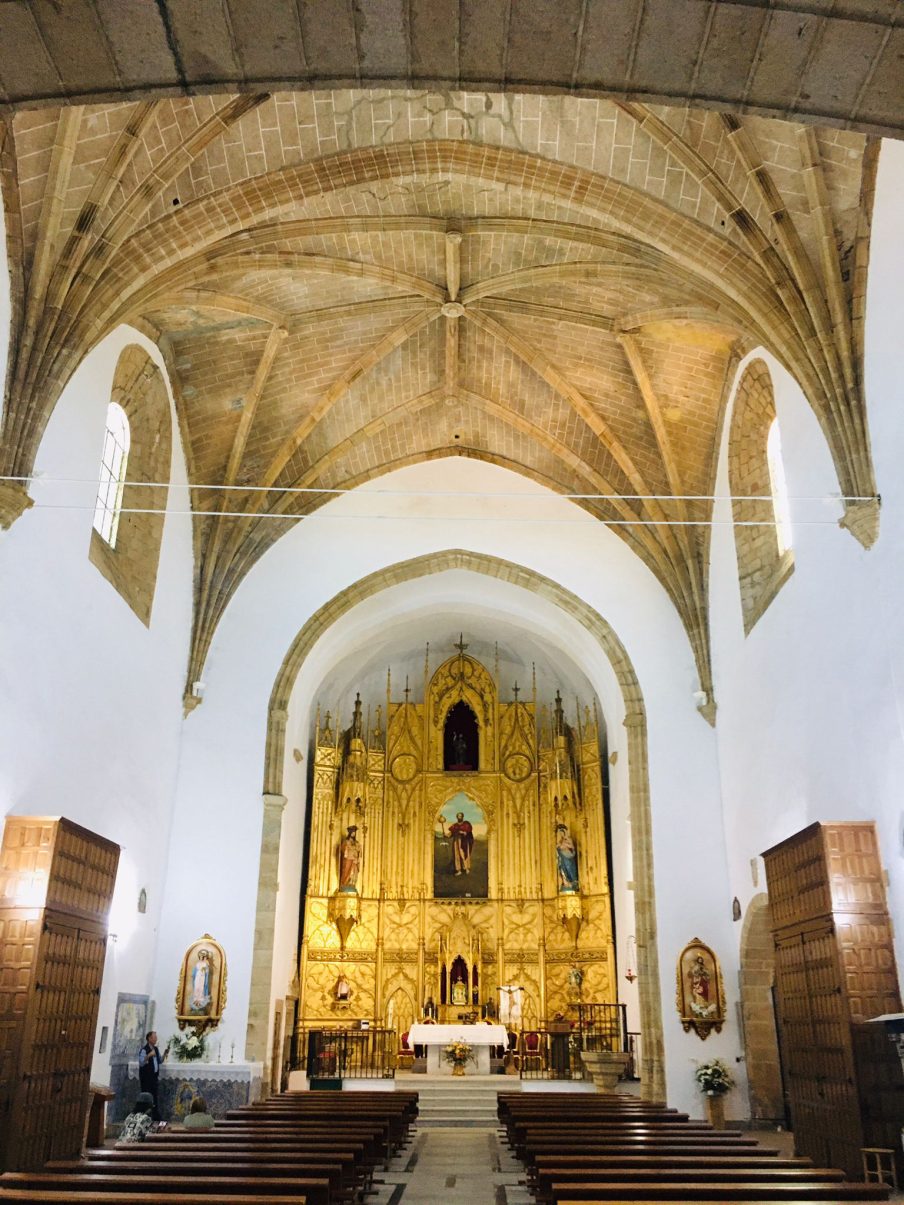
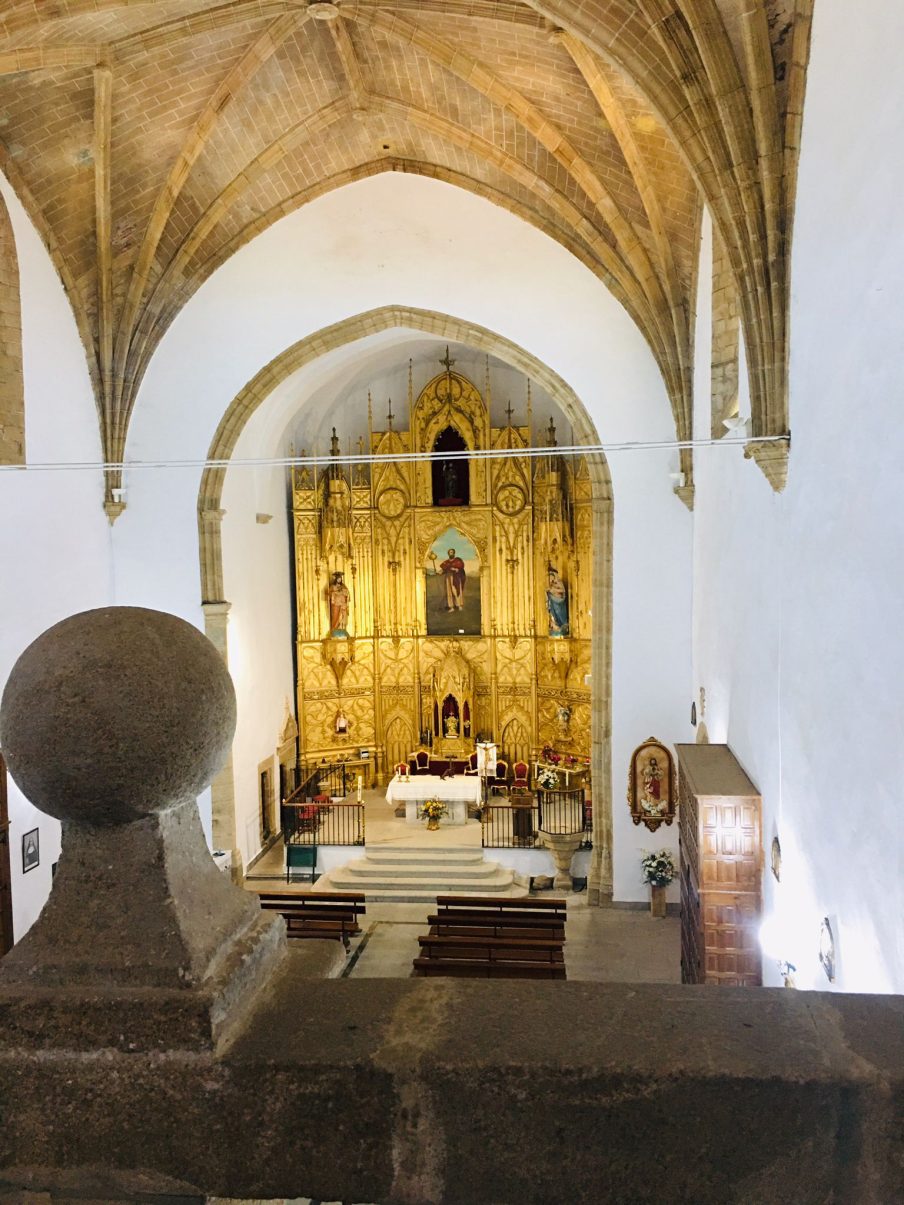
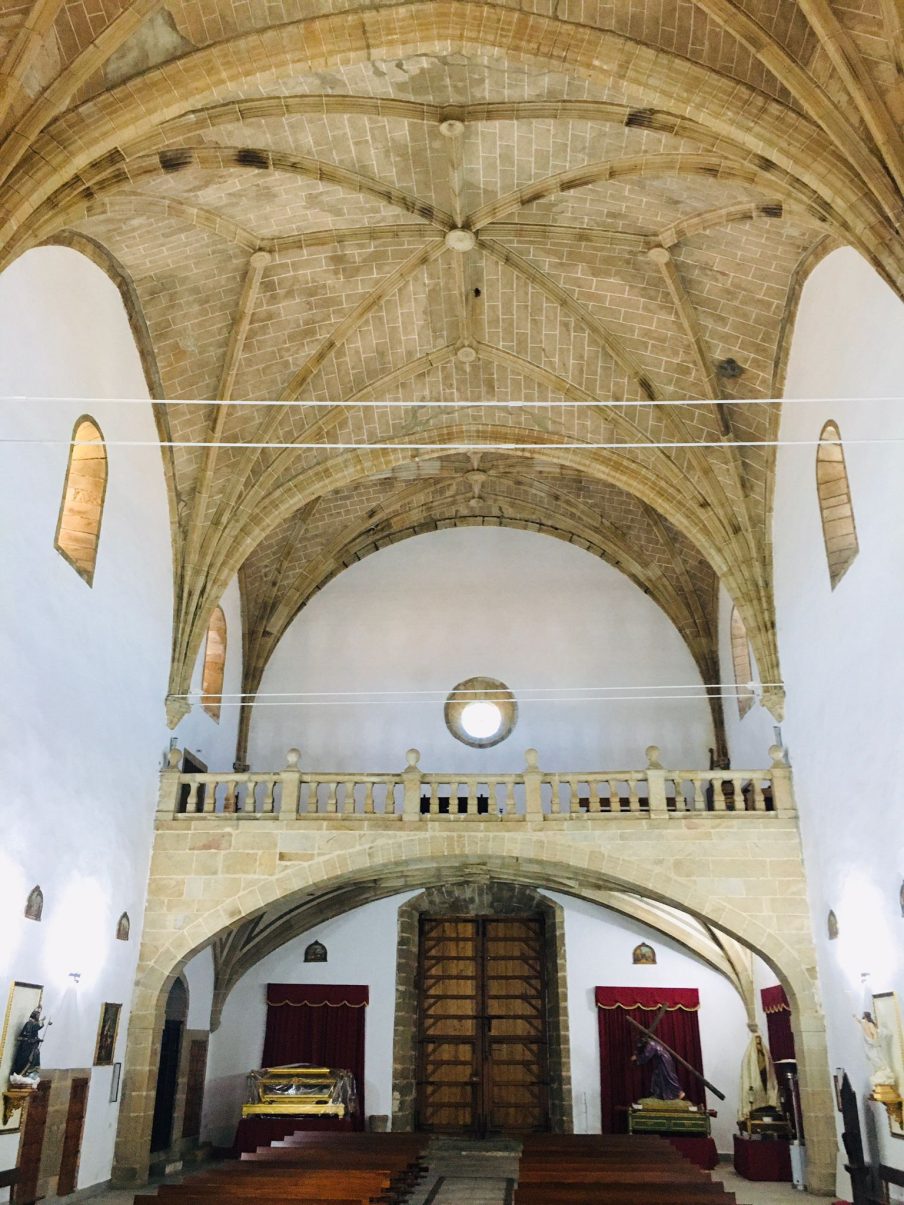
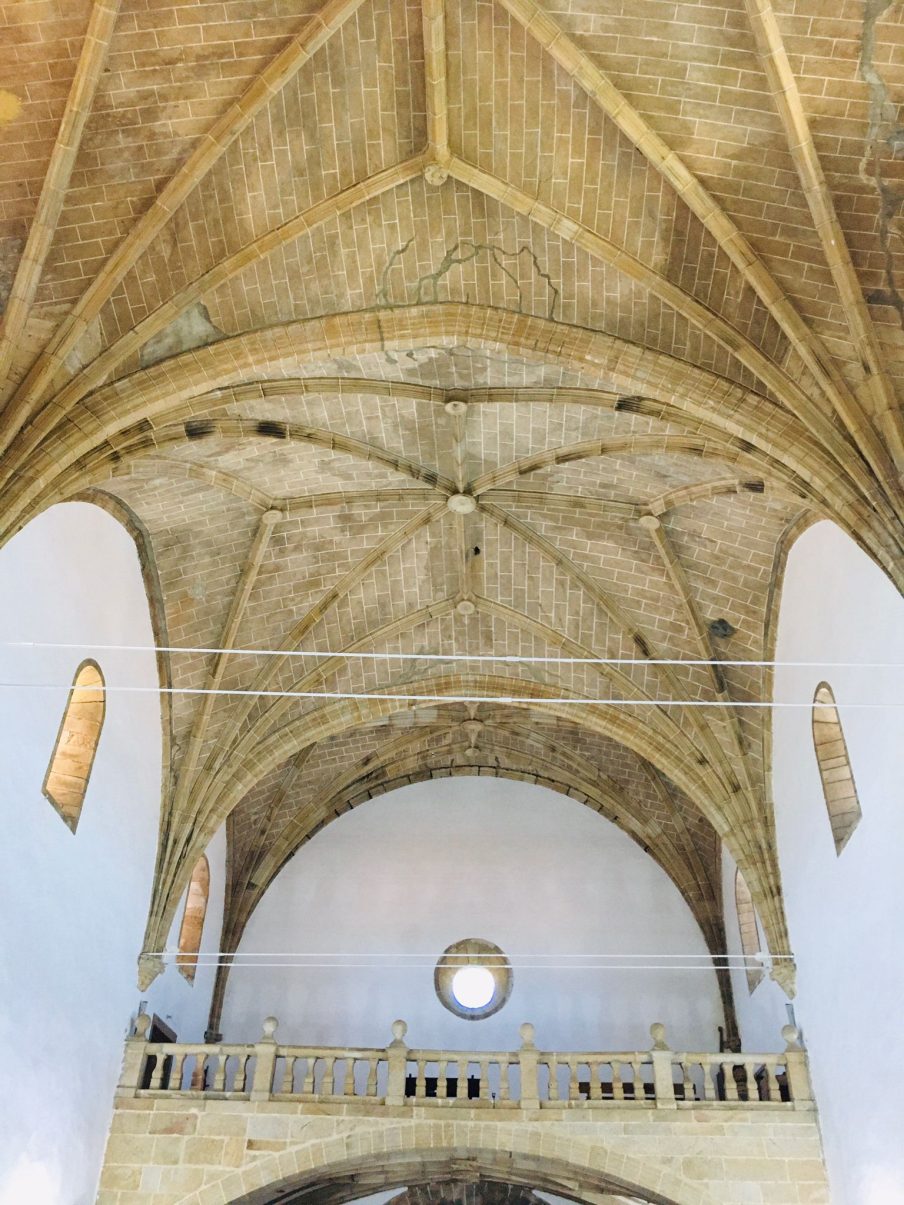
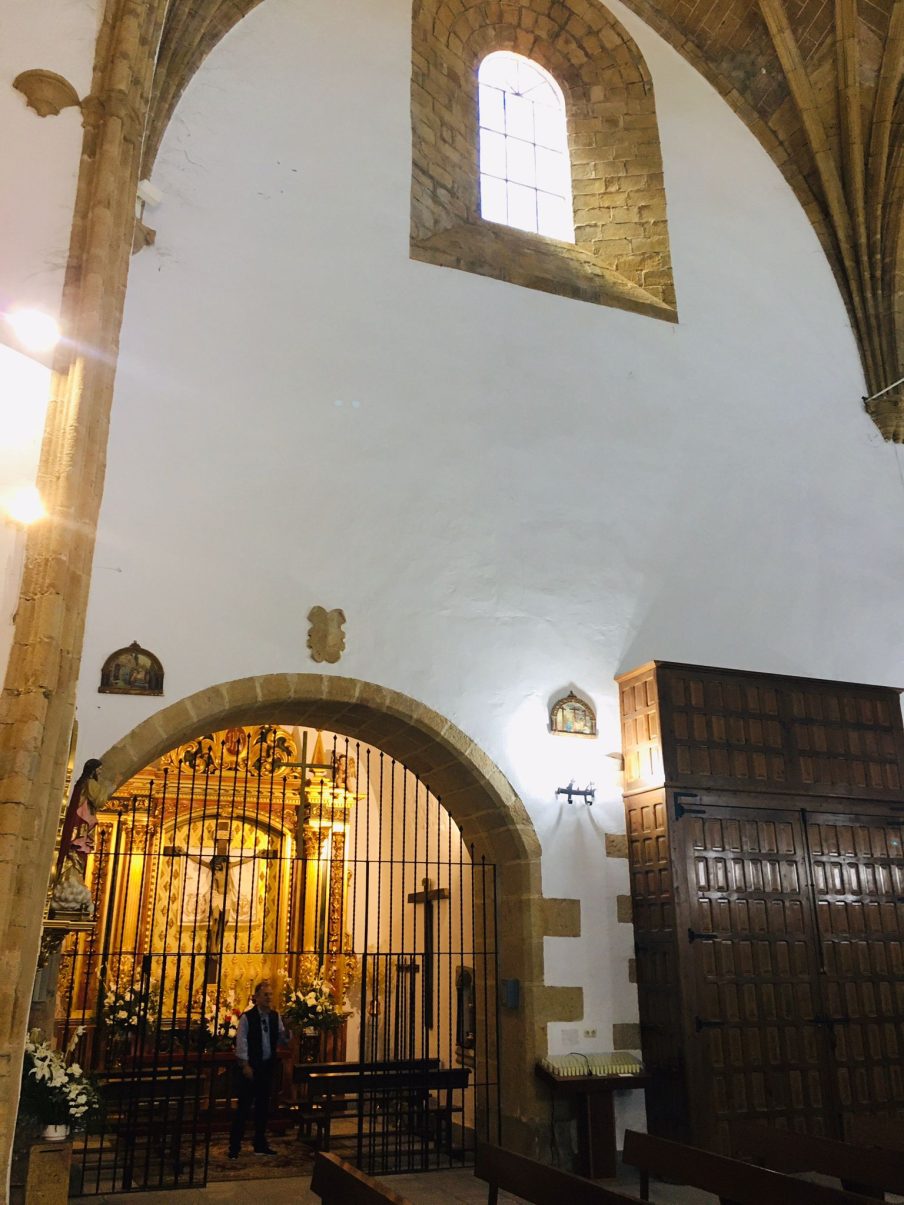
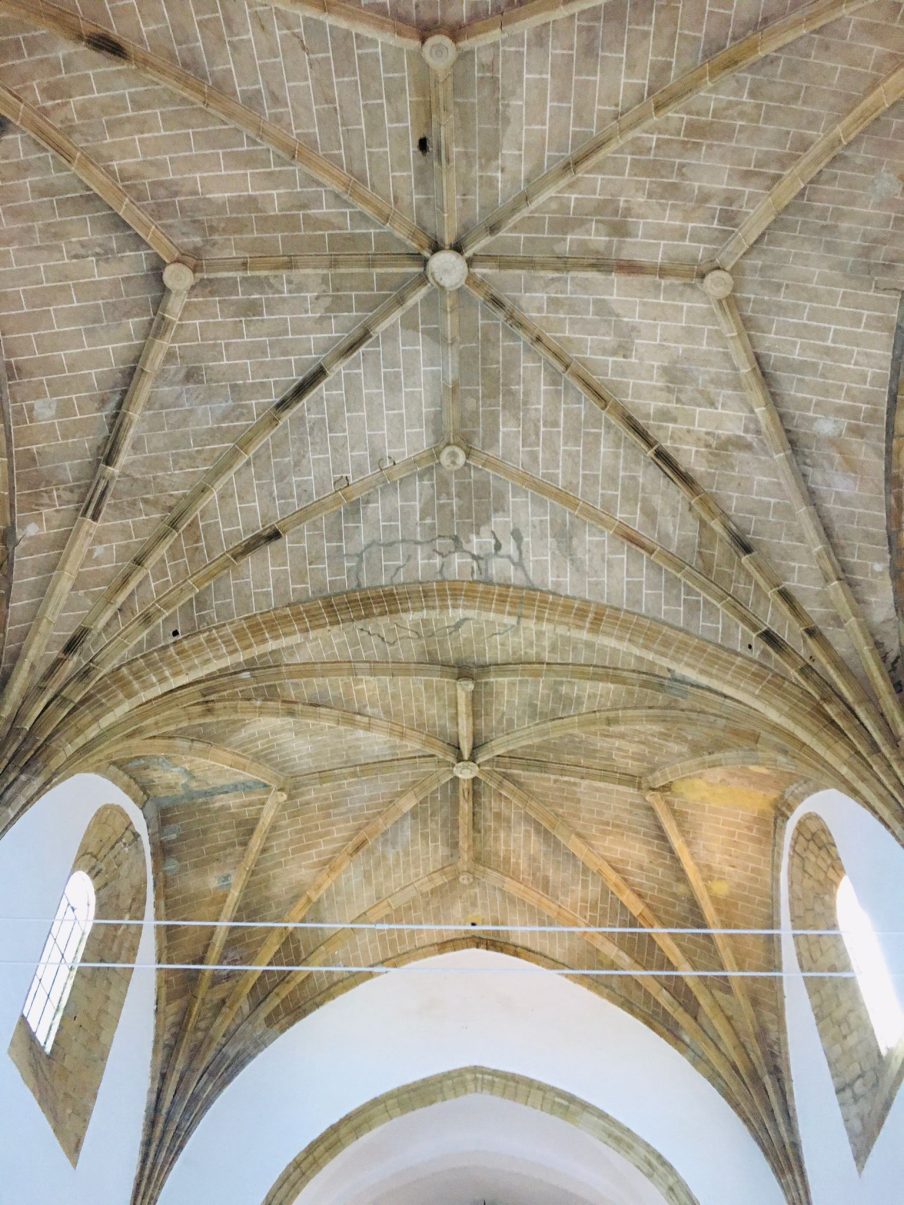
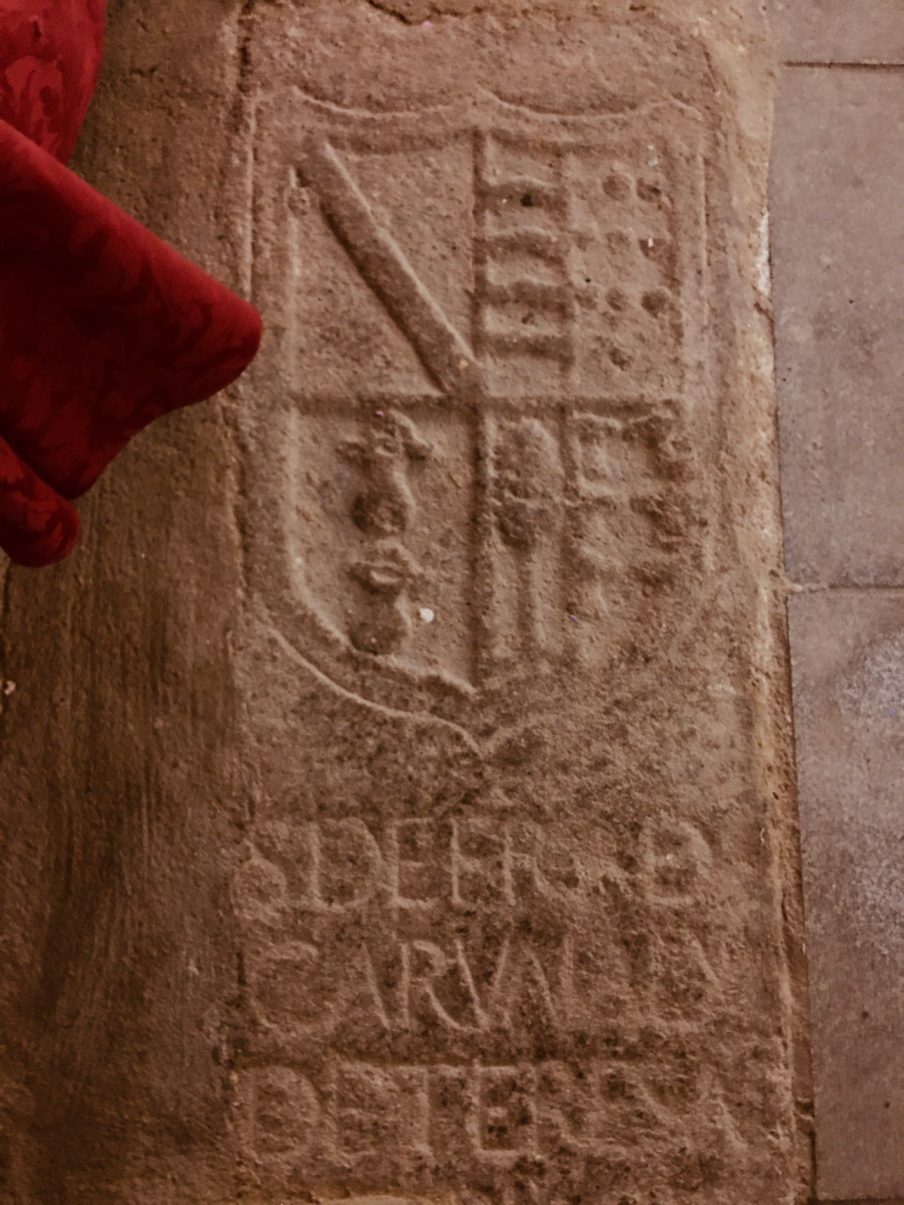
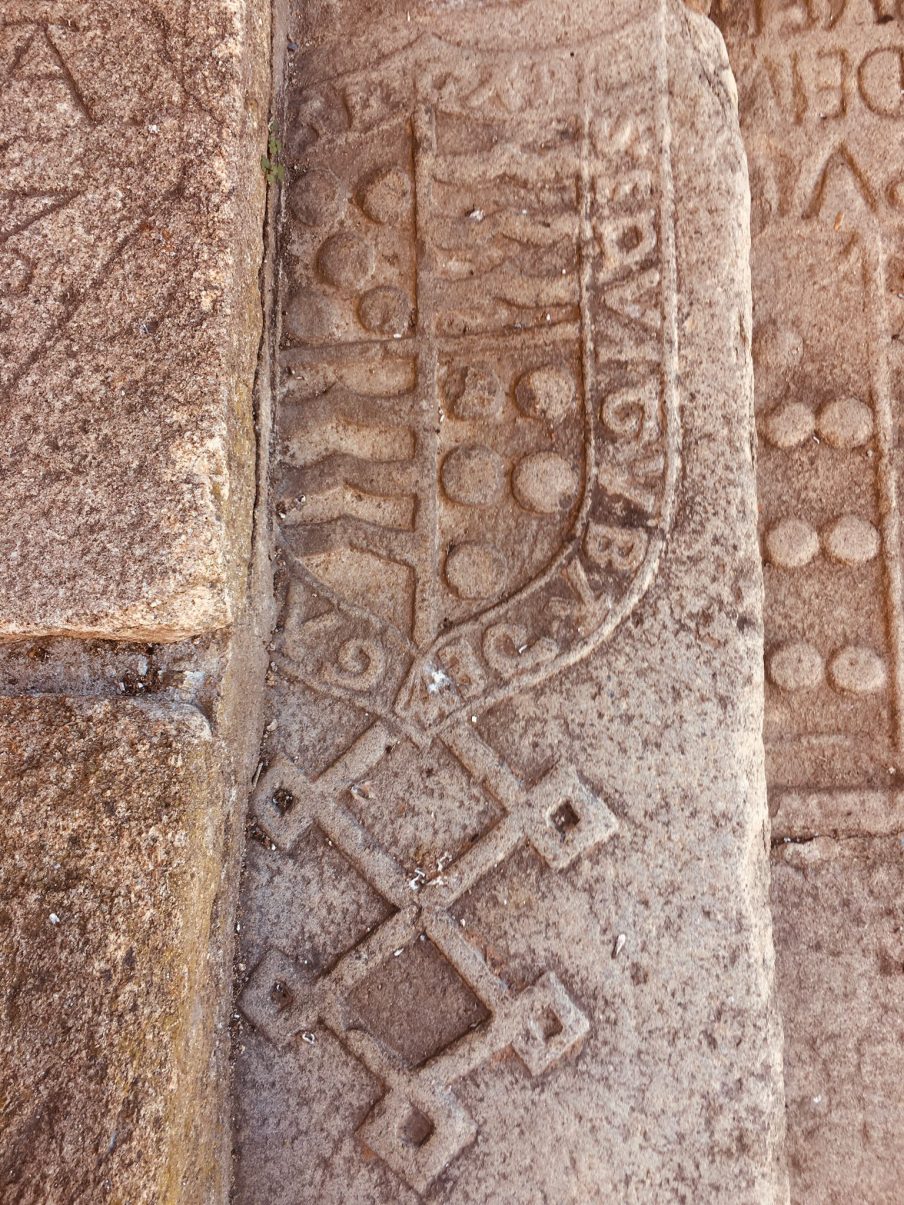
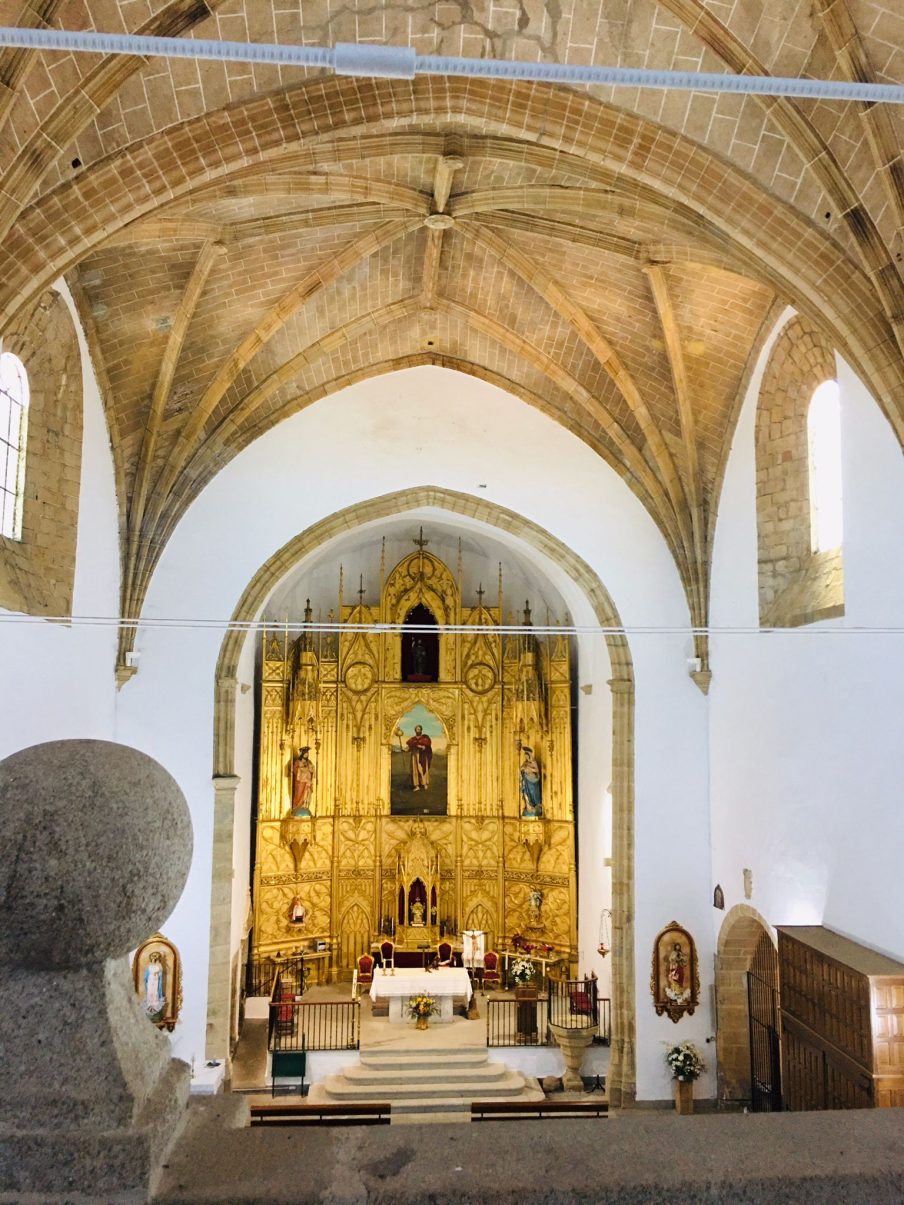
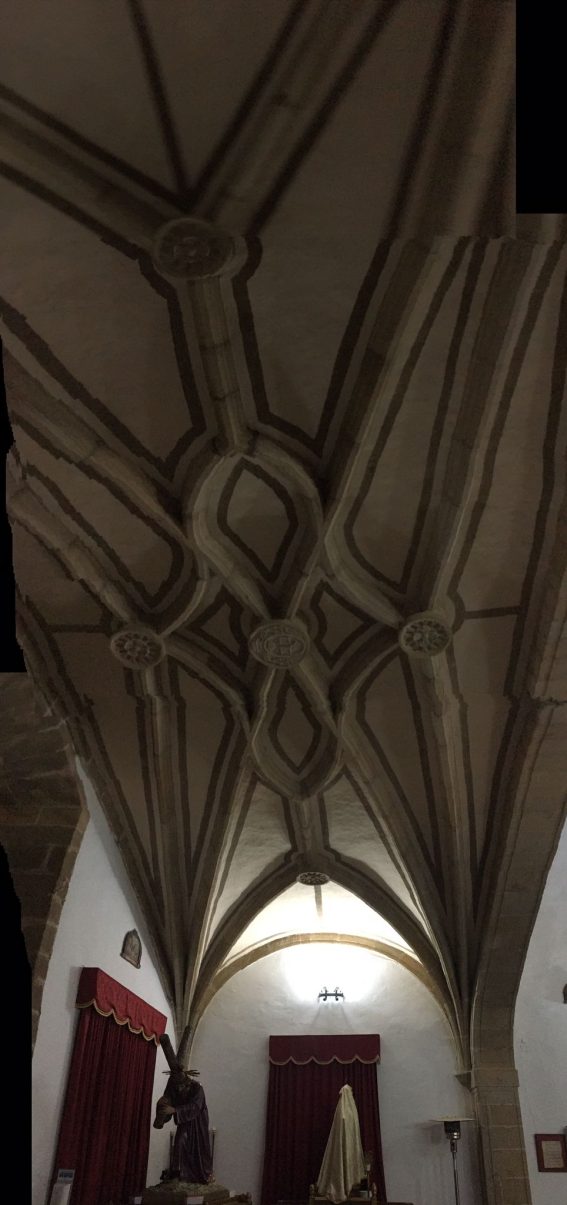
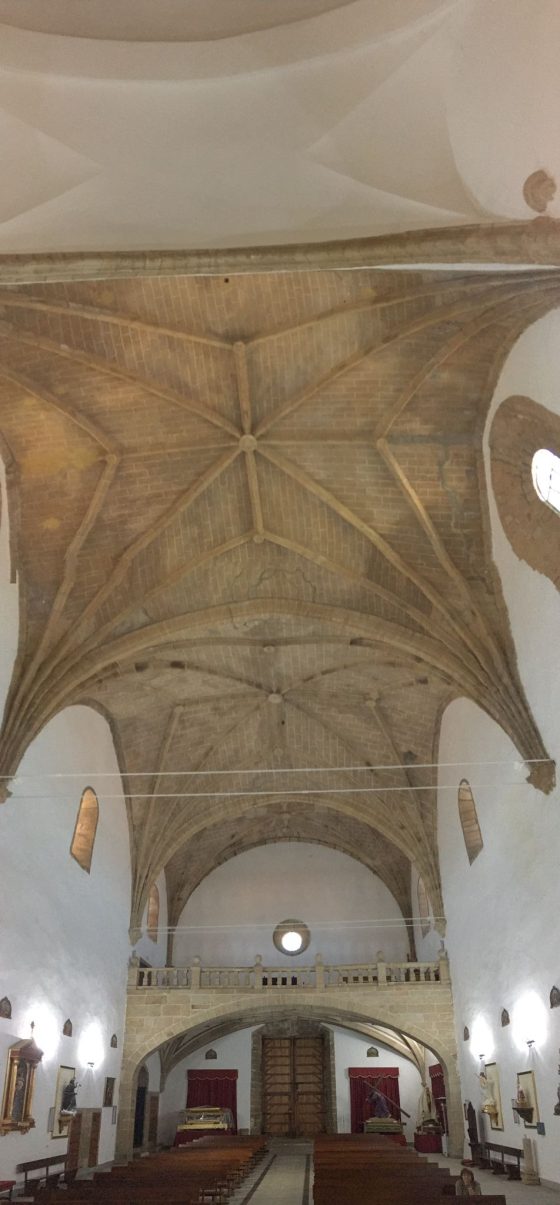
The interior of the church consists of a single nave divided into three sections by arches resting on corbels. The nave is covered with a star-shaped ribbed vault with terceletes and decorated keystones. The head of the church is gothic and dates from the 15th century. It has a polygonal apse with pointed windows and ribbed vault. In the first section is the coat of arms of Bishop Vargas Carvajal, who was the driving force behind the construction of the nave in the sixteenth century, who by a deed granted in Jaraicejo on January 30, 1545 commissioned the work to the master builder from Trujillo, Sancho de Cabrera.
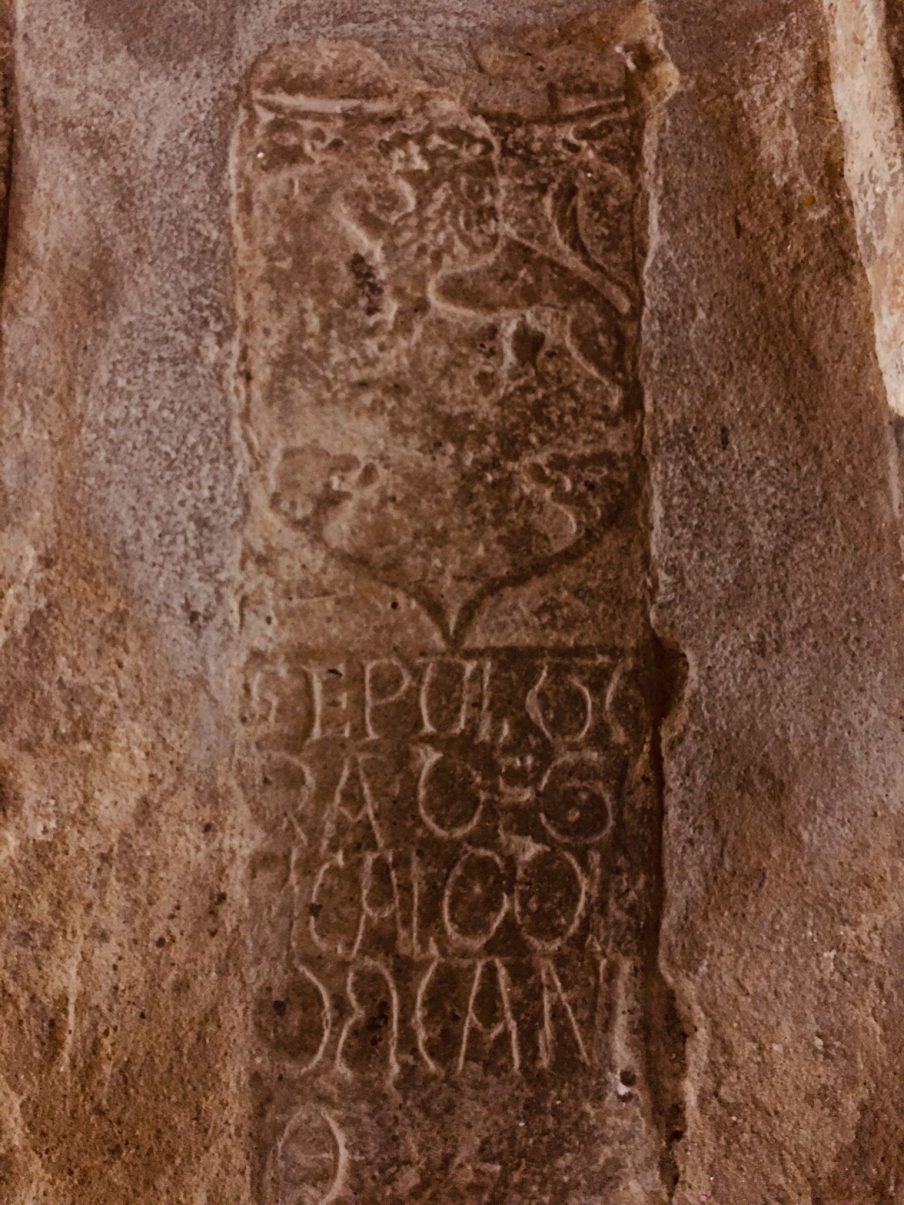
In the choir, located at the foot, is the coat of arms of Bishop Enrique Enriquez, who finished the church in the seventeenth century.
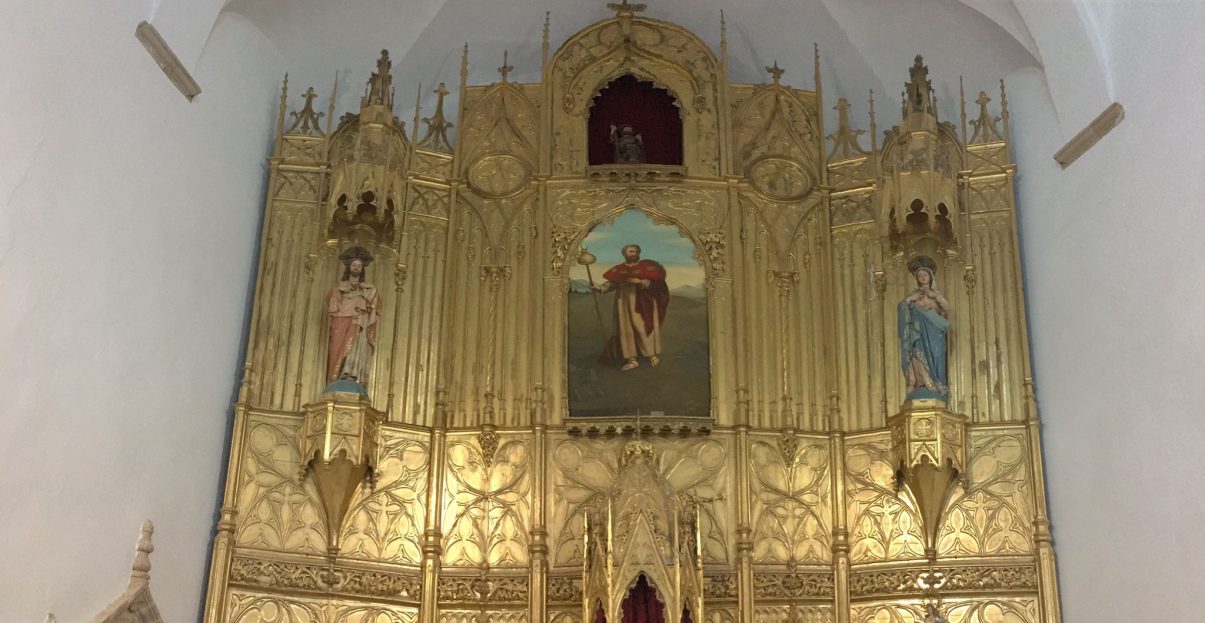
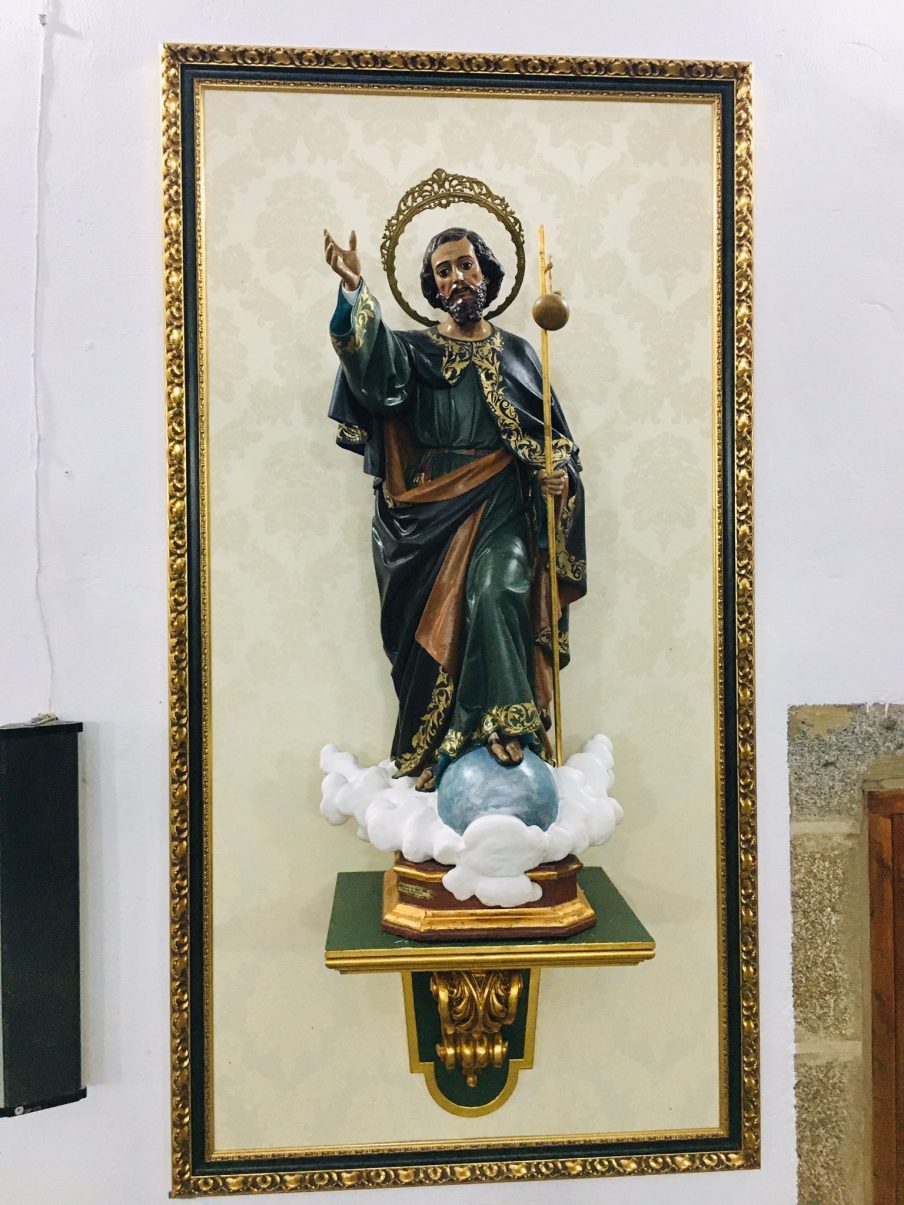
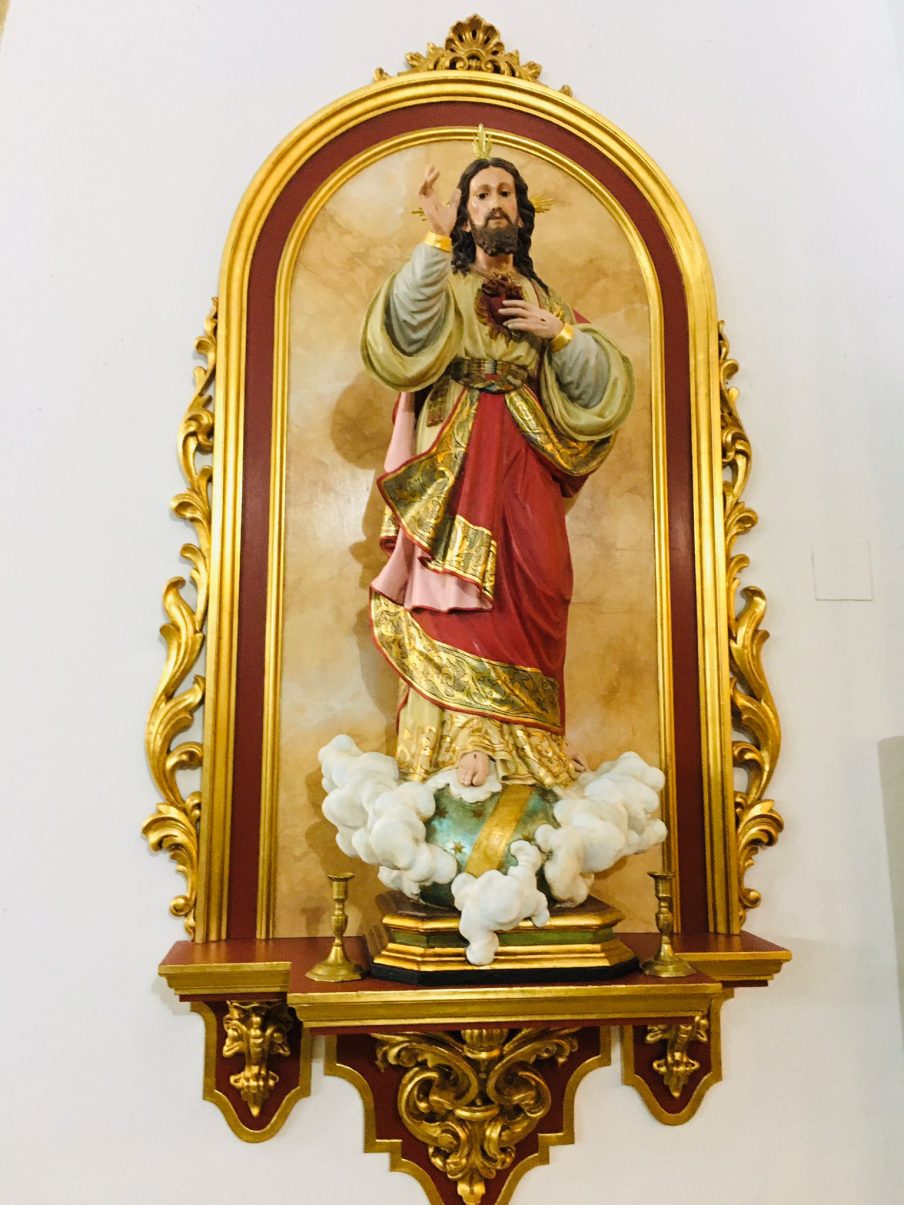
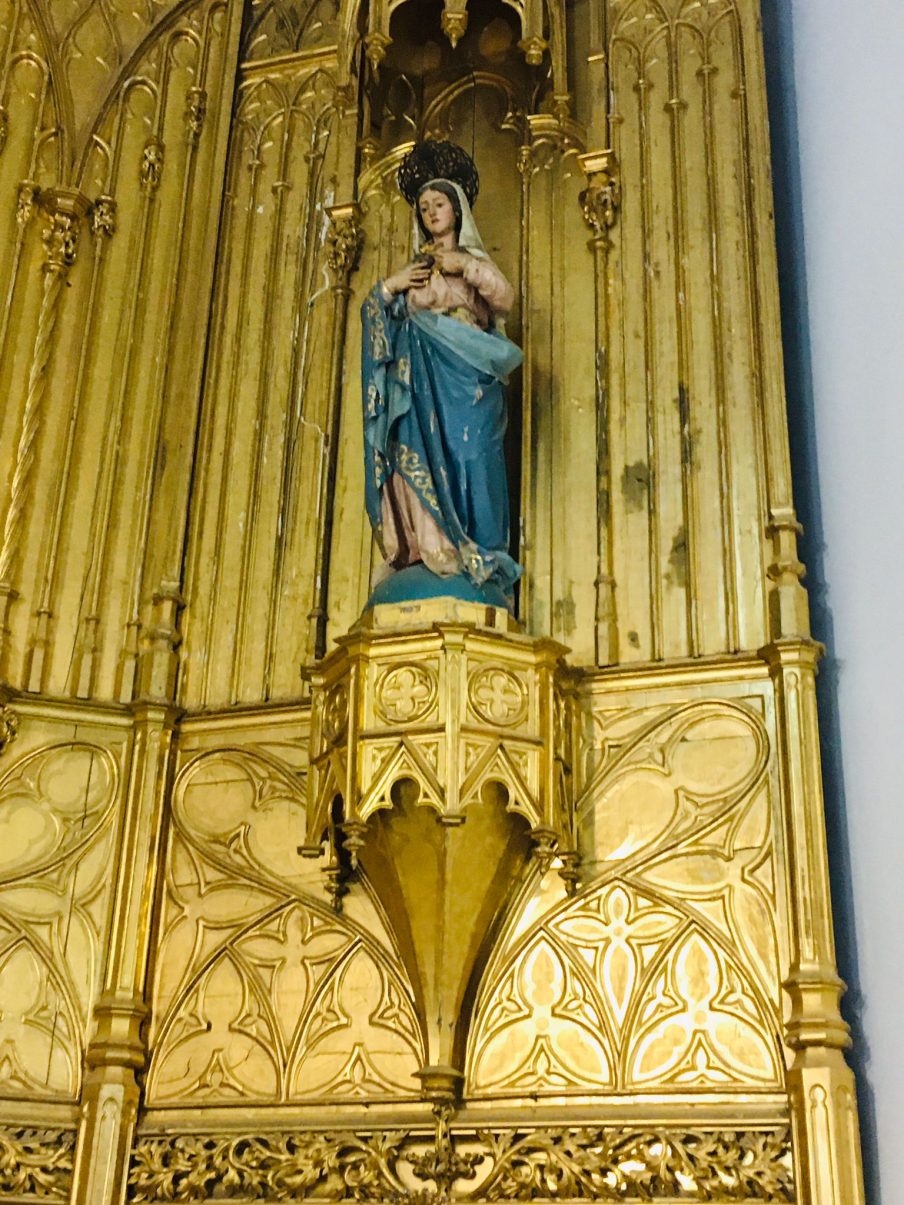
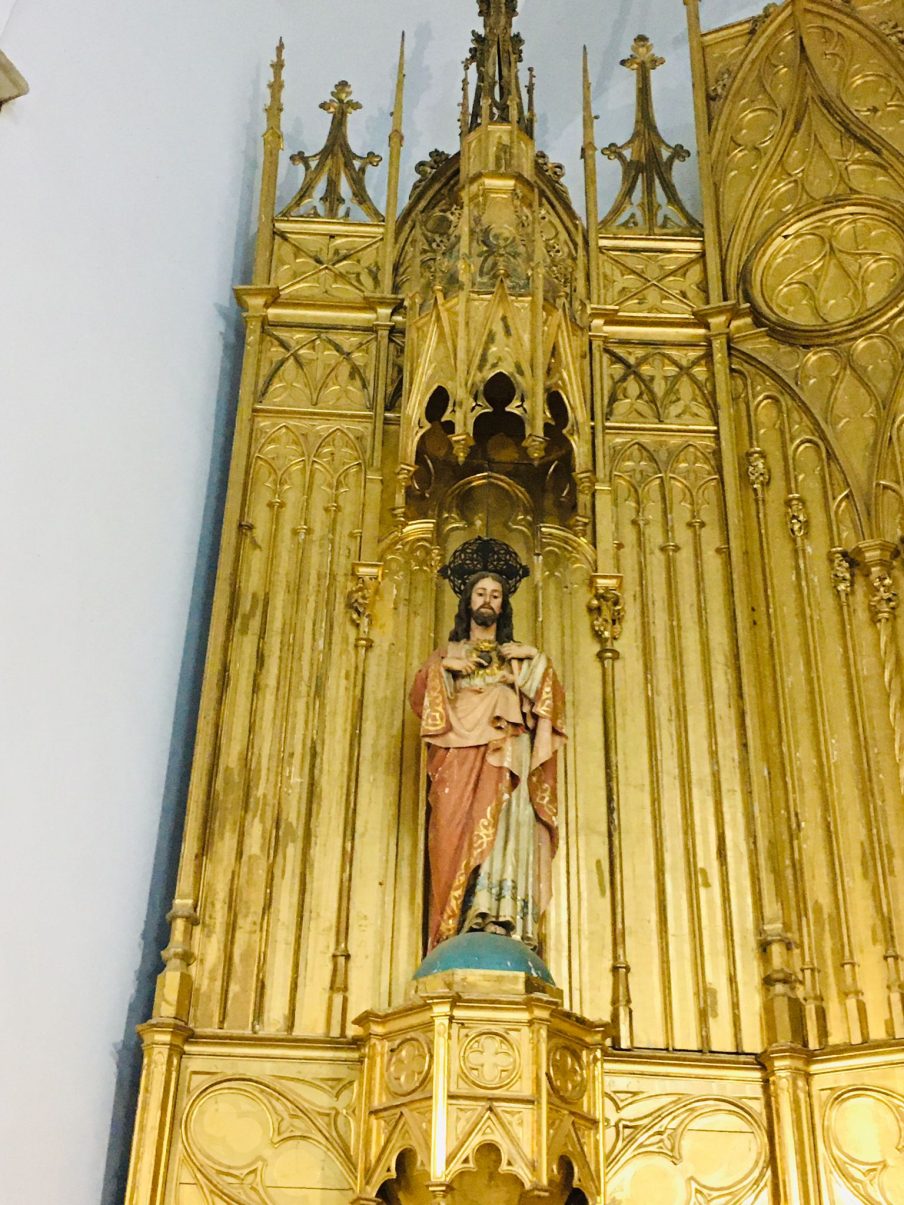
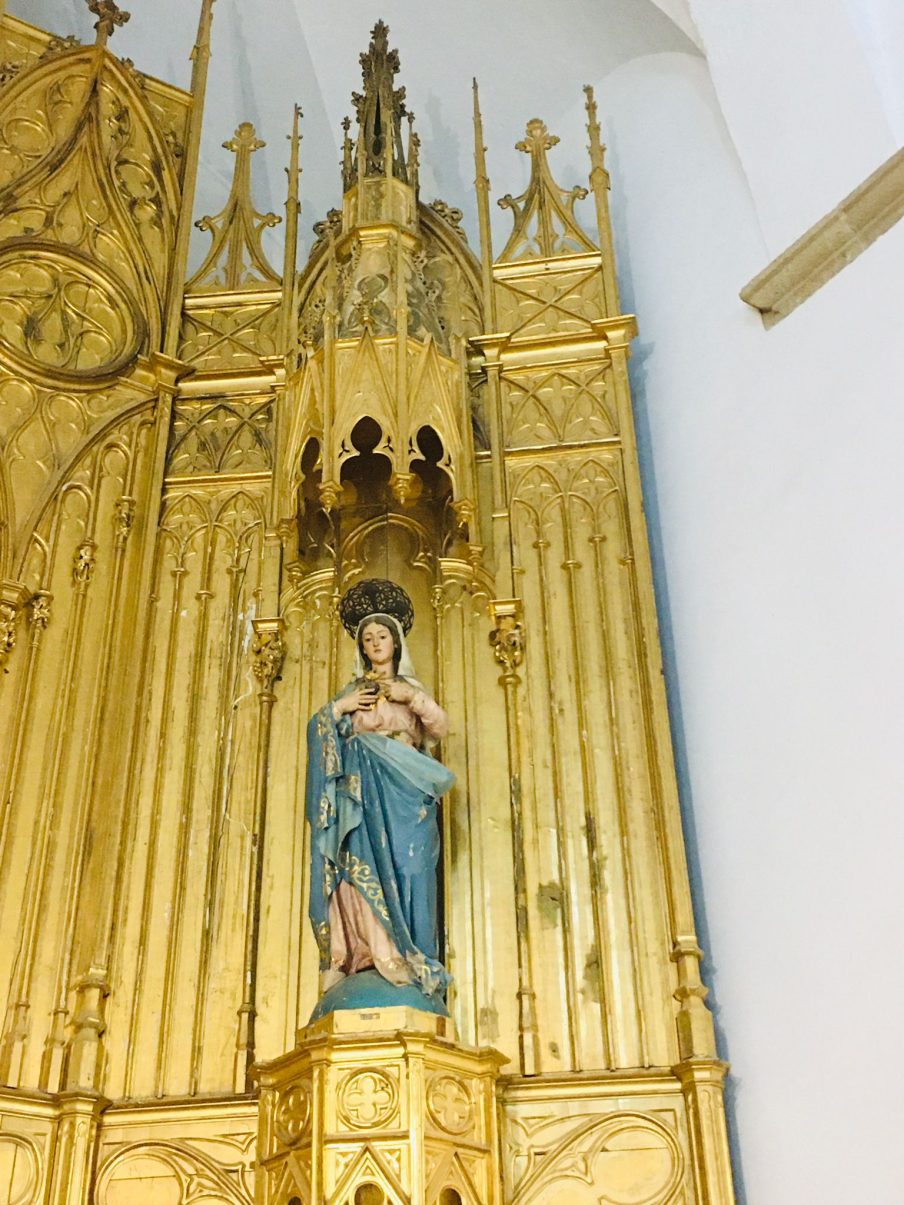
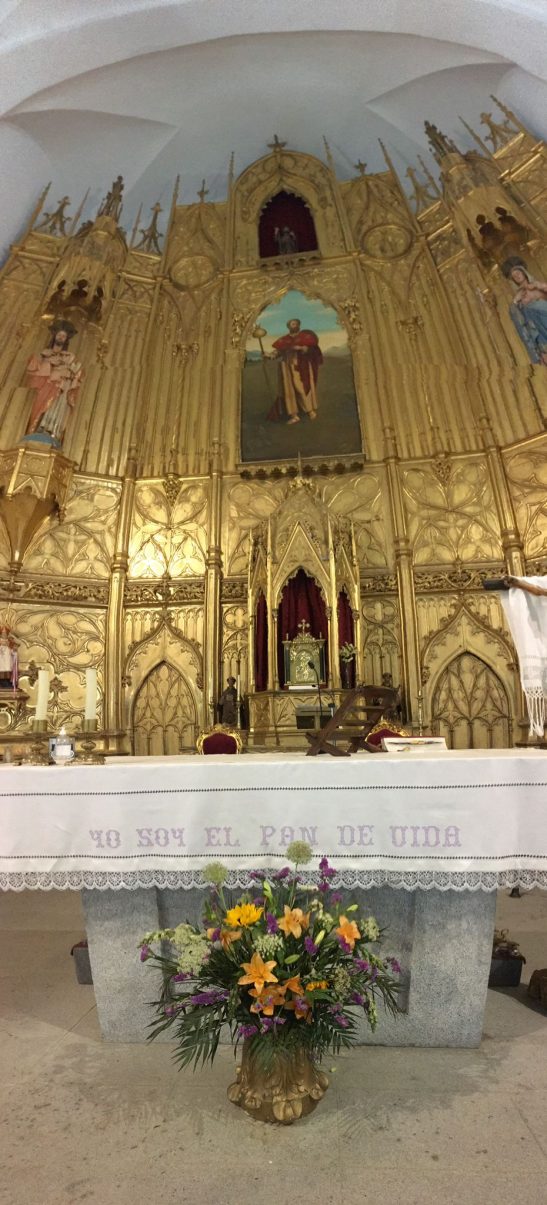
The church houses several works of art of great value, such as the altarpiece of the main altar dedicated to Santiago Apostle, made of carved and gilded wood in the eighteenth century, from the church of San Martin de Truillo, the original reliquary altarpiece, made in the sixteenth century disappeared, some of the carvings that decorated it remain. The altarpiece has three sections and five lanes. In the center there is a painting with the image of the apostle Santiago, above it there is also a sculpture of the saint that seems very old. The other two sculptures we see are dedicated to the Immaculate Conception and the Sacred Heart of Jesus.
Another outstanding work is the altar of the Virgin of the Rosary, made of 17th century Talavera tiles. The altarpiece has a central panel with the image of the Virgin and Child handing the rosary to Saint Dominic and Saint Catherine. On the sides there are other panels with scenes from the Old and New Testament related to the rosary. The whole is topped by a panel with the Annunciation.
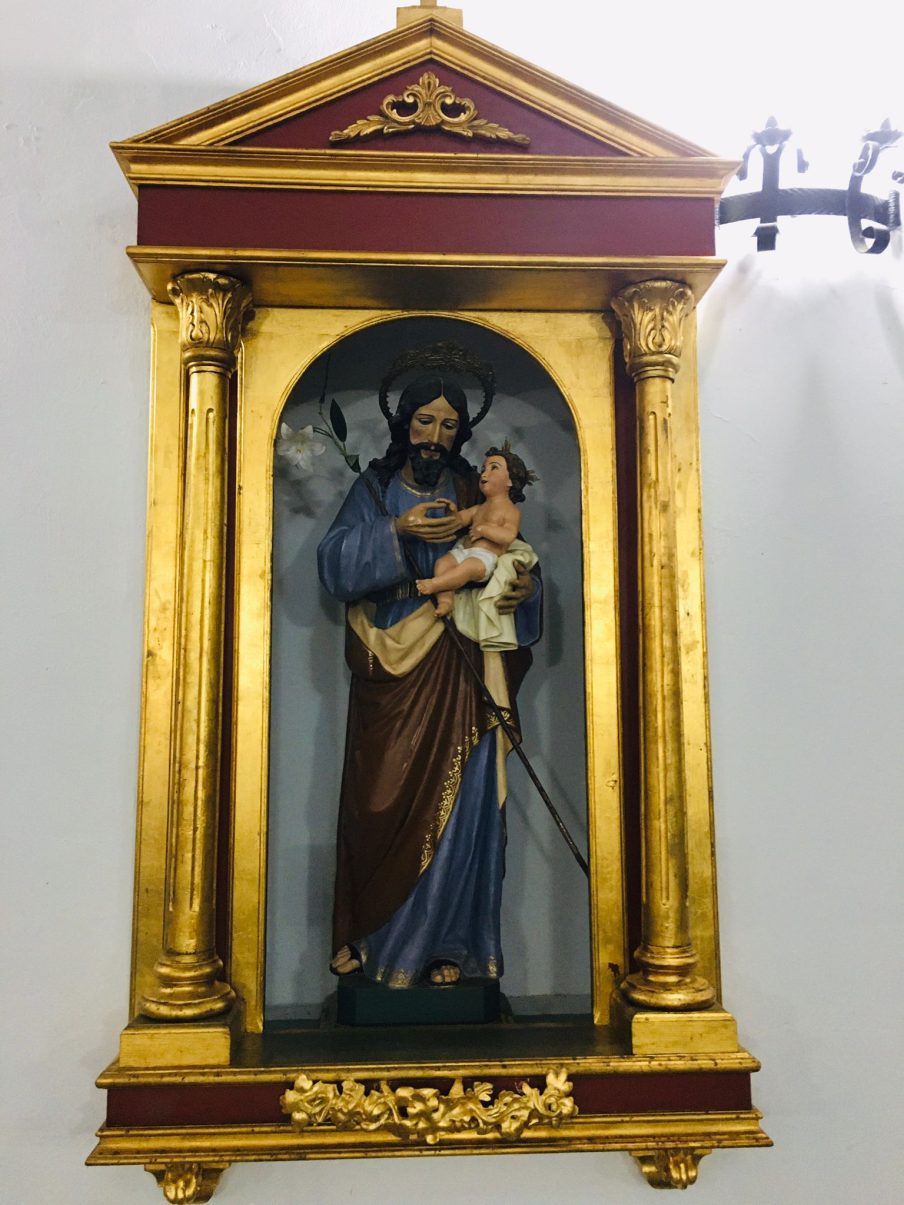
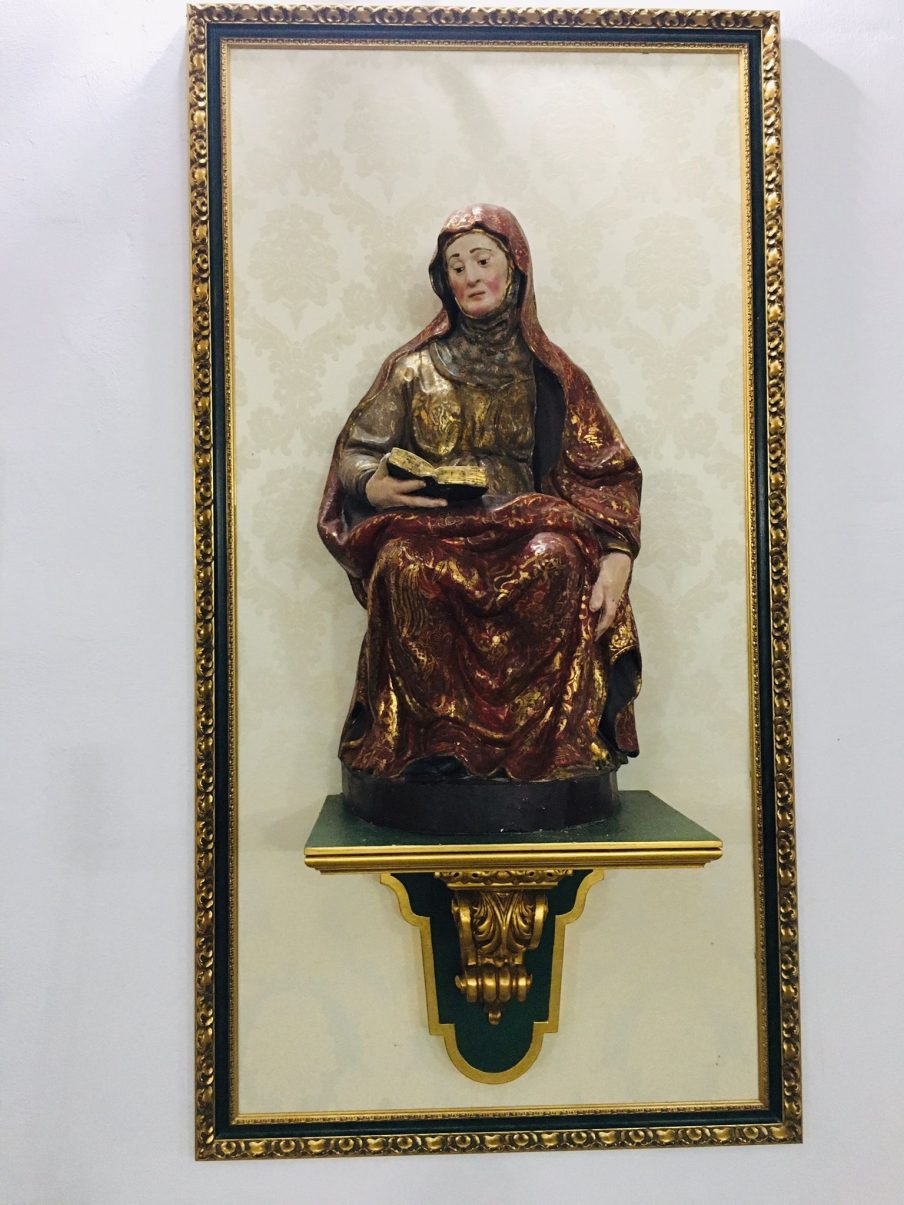
Also worthy of attention are the images of Santa Ana from the 15th century, San Sebastián from the 15th century and San Blas from the 18th century.
The church of Santiago Apóstol was declared a historic-artistic monument of provincial interest and an Asset of Cultural Interest in 1989. It is a place worth visiting if you want to learn about the history and culture of Garciaz and its surroundings.
Este sitio web utiliza cookies para mejorar su experiencia mientras navega por el sitio web. De estas, las cookies que se clasifican como necesarias se almacenan en su navegador, ya que son esenciales para el funcionamiento de las funcionalidades básicas del sitio web. También utilizamos cookies de terceros que nos ayudan a analizar y comprender cómo utiliza este sitio web. Estas cookies se almacenarán en su navegador solo con su consentimiento. También tiene la opción de rechazar estas cookies. Pero la exclusión voluntaria de algunas de estas cookies puede afectar su experiencia de navegación.| Cookie | Duration | Description |
|---|---|---|
| cookielawinfo-checkbox-analytics | 11 months | This cookie is set by GDPR Cookie Consent plugin. The cookie is used to store the user consent for the cookies in the category "Analytics". |
| cookielawinfo-checkbox-functional | 11 months | The cookie is set by GDPR cookie consent to record the user consent for the cookies in the category "Functional". |
| cookielawinfo-checkbox-necessary | 11 months | This cookie is set by GDPR Cookie Consent plugin. The cookies is used to store the user consent for the cookies in the category "Necessary". |
| cookielawinfo-checkbox-others | 11 months | This cookie is set by GDPR Cookie Consent plugin. The cookie is used to store the user consent for the cookies in the category "Other. |
| cookielawinfo-checkbox-performance | 11 months | This cookie is set by GDPR Cookie Consent plugin. The cookie is used to store the user consent for the cookies in the category "Performance". |
| cookielawinfo-checkbox-performance | Set by the GDPR Cookie Consent plugin to record the user consent for the cookies in the "Performance" category. | |
| CookieLawInfoConsent | Records the default button state of the corresponding category & the status of CCPA. It works only in coordination with the primary cookie. | |
| elementor | This cookie is used by the website's WordPress theme. It allows the website owner to implement or change the website's content in real-time. | |
| viewed_cookie_policy | 11 months | The cookie is set by the GDPR Cookie Consent plugin and is used to store whether or not user has consented to the use of cookies. It does not store any personal data. |
| Cookie | Duration | Description |
|---|---|---|
| _ga | The _ga cookie, installed by Google Analytics, calculates visitor, session and campaign data and also keeps track of site usage for the site's analytics report. The cookie stores information anonymously and assigns a randomly generated number to recognize unique visitors. | |
| _ga_3JH8W21W66 | This cookie is installed by Google Analytics. | |
| CONSENT | YouTube sets this cookie via embedded youtube-videos and registers anonymous statistical data. |
| Cookie | Duration | Description |
|---|---|---|
| VISITOR_INFO1_LIVE | A cookie set by YouTube to measure bandwidth that determines whether the user gets the new or old player interface. | |
| YSC | YSC cookie is set by Youtube and is used to track the views of embedded videos on Youtube pages. | |
| yt-remote-connected-devices | YouTube sets this cookie to store the video preferences of the user using embedded YouTube video. | |
| yt-remote-device-id | YouTube sets this cookie to store the video preferences of the user using embedded YouTube video. | |
| yt.innertube::nextId | This cookie, set by YouTube, registers a unique ID to store data on what videos from YouTube the user has viewed. | |
| yt.innertube::requests | This cookie, set by YouTube, registers a unique ID to store data on what videos from YouTube the user has viewed. |
| Cookie | Duration | Description |
|---|---|---|
| cookielawinfo-checkbox-imprescindibles | No description | |
| wp-wpml_current_language | No description available. |